
Plants
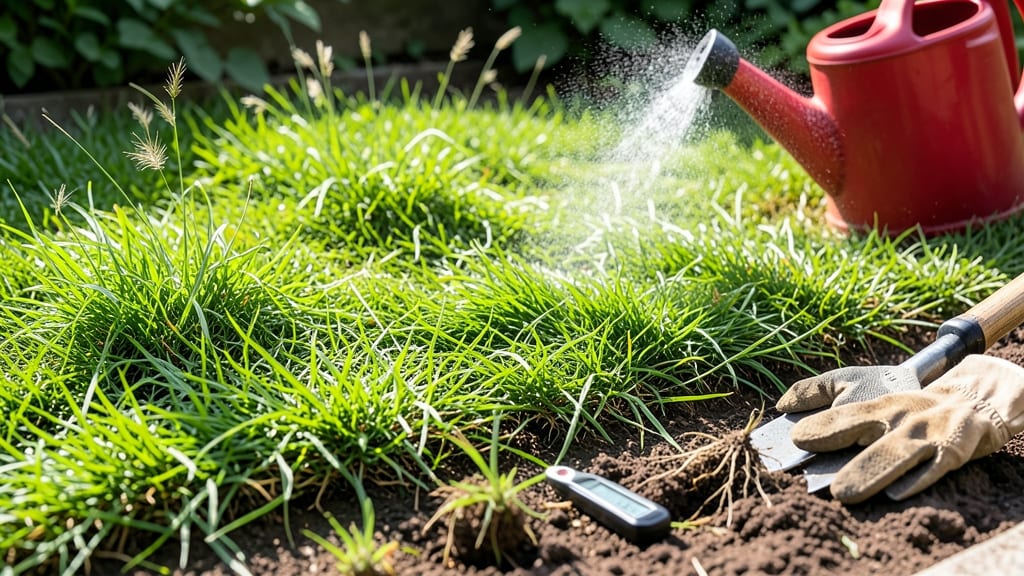
Timing your Bermuda grass planting in Georgia can make or break your lawn's success—plant too early, and frost zaps your efforts; too late, and summer heat stresses new growth.
The ideal window isn't just "spring to summer"—it's a precise 6-week stretch where soil temperatures and rainfall align perfectly for your microclimate zone.
If you're in North Georgia's 7a-8a zones, aim for late May when soil hits 65°F—waiting until June ensures you dodge late frosts. Meanwhile, South Georgia's 8b-9a can start as early as April, but watch for sudden summer downpours that can drown seeds.
The key? Soil temperature, not just calendar months.
I've seen lawns fail because of one simple misstep—planting when the ground's still cool or skipping soil prep. But when you nail the timing, your Bermuda grass 🌱 takes off like a rocket, outpacing weeds and filling in thickly.
Let me show you exactly when to plant based on your corner of Georgia, plus the 3 critical prep steps that separate thriving lawns from patchy disappointments.
Whether you're seeding or laying sod, this isn't guesswork—it's science backed by Georgia's climate data. You'll walk away knowing your exact planting dates, how to test soil readiness, and even how to adjust for your yard's shade spots. Let's get that lawn growing right.
Georgia’s Bermuda grass planting calendar by microclimate Zone
Georgia’s diverse climate means your Bermuda grass planting success hinges on knowing your USDA zone. North Georgia’s cooler Zone 7b-8a has later frost risks, while South Georgia’s Zone 8b-9a enjoys extended growing seasons.
Let’s break down the ideal planting windows for each region, including soil temperature triggers that make or break your lawn.
For all Georgia zones, soil temperature is your best guide—wait until it hits 65°F (18°C) at least 4 inches deep. This typically aligns with late April to early June, but timing shifts dramatically between regions.
In North Georgia, you might push planting to mid-May to avoid late frosts, while South Georgia gardeners can start as early as mid-April.
Here’s how each microclimate zone differs in planting readiness:
| Zone | Planting Window | Soil Temp Trigger | Frost Risk | Best Method |
|---|---|---|---|---|
| North GA (7b-8a) | Late April - Early June | 65°F+ after last frost | High (last frost: March 15) | Sod preferred; seeds need longer germination |
| Central GA (8a-8b) | Mid-April - Mid-June | 65°F+ consistently | Moderate (last frost: Feb 15) | Seeds or sod; faster establishment |
| South GA (8b-9a) | Early April - Late June | 65°F+ (earlier possible) | Low (last frost: Feb 1) | Seeds ideal; longer growing season |
If you’re in Zone 7b-8a, aim for May 1-15 to balance frost risk and summer heat. For Central Georgia, April 15-May 31 offers the sweet spot, while South Georgia gardeners can stretch planting until June 30—just ensure consistent moisture during establishment.
Bermuda grass thrives in Georgia’s heat, but late summer planting (August) is risky unless you’re in Zone 8b-9a. The grass needs 6-8 weeks to establish roots before winter dormancy, so August plantings often struggle to harden off before first frost in November.
For North Georgia, consider overseeding in early fall (September) if your lawn thins. Bermuda grass goes dormant in winter but rebounds aggressively in spring—just don’t expect lush greenery until late April after the last frost.
In South Georgia’s subtropical climate, you might see year-round growth with minimal dormancy. Here, late spring (May-June) is ideal for sod installation, while seeds can be sown as late as July if given daily deep watering.
Remember: Bermuda grass spreads aggressively via stolons and rhizomes. If you’re planting near shade trees or flower beds, contain it with edging or a root barrier. In Georgia’s humidity, fungal diseases like brown patch can strike—so avoid overhead watering after planting.
🌱
Georgia’s Bermuda grass planting calendar by microclimate Zone
Georgia’s 3 distinct microclimate zones mean your Bermuda grass planting window could vary by 6 weeks depending on whether you're in the Blue Ridge Mountains or the Savannah River basin.
North Georgia’s Zone 7a-8a (think Athens or Dahlonega) has late frosts that can hit as late as April, while South Georgia’s Zone 8b-9a (Savannah or Valdosta) often sees warm soil by March. The key? Soil temperature, not just the calendar date.
For Zone 7a-8a, wait until late May to early June—this ensures your seeds or sod won’t get nipped by unpredictable spring frosts.
In Zone 8a-8b (Atlanta or Macon), you can start as early as mid-April, but monitor soil thermometers—aim for 65°F (18°C) at 4 inches deep. Meanwhile, Zone 8b-9a gardeners can plant as soon as mid-March, but watch for heavy rains that can wash away seeds.
Soil temperature is your #1 guide, not the calendar. Use a soil thermometer ($10 at any garden center) to confirm readiness—Bermuda grass seeds won’t germinate below 65°F. Pro tip: In Zone 7a, I’ve seen lawns fail when planted in May because late frosts hit in early June. Always check your local USDA frost maps for your exact county.
Georgia Bermuda Grass Planting Windows by Zone
| Zone | Best Planting Window | Soil Temp Requirement | Frost Risk | Key Consideration |
|---|---|---|---|---|
| 7a-8a (North GA) | Late May - Early June | 65°F+ at 4" | Late frosts possible | Wait for consistent warmth |
| 8a-8b (Central GA) | Mid-April - Late May | 65°F+ at 4" | Minimal frost risk | Monitor rainfall for erosion |
| 8b-9a (South GA) | Mid-March - Early May | 60°F+ at 4" | Frost-free year-round | Watch for summer drought |
🌱 Note: Adjust for shade—areas with less than 6 hours sun may need late June planting.
If you’re planting Bermuda grass sod instead of seeds, you’ve got a 2-week buffer—sod establishes faster and can handle slightly cooler soil (60°F). But seeds? They’re fussy about warmth.
I once planted seeds in Zone 8a in early April, and nothing sprouted until June because the soil stayed cool. Always test your soil for 3 consecutive days at 65°F+ before seeding.
For late plantings, don’t go past late June—after that, summer heat and drought stress can kill new growth. If you miss the window, overseed in September when temps drop slightly.
And remember: Georgia’s humidity means fungus risks spike in late summer, so time your planting to avoid July-August if possible. 🌡️
Your microclimate matters more than your ZIP code. A north-facing slope in Zone 8a might stay cool longer than a south-facing yard just a mile away. Use these guidelines as a starting point, then adjust based on your yard’s sun exposure and soil drainage.
Next, we’ll cover the 3 critical prep steps to ensure your Bermuda grass takes root like a dream.