
Plants
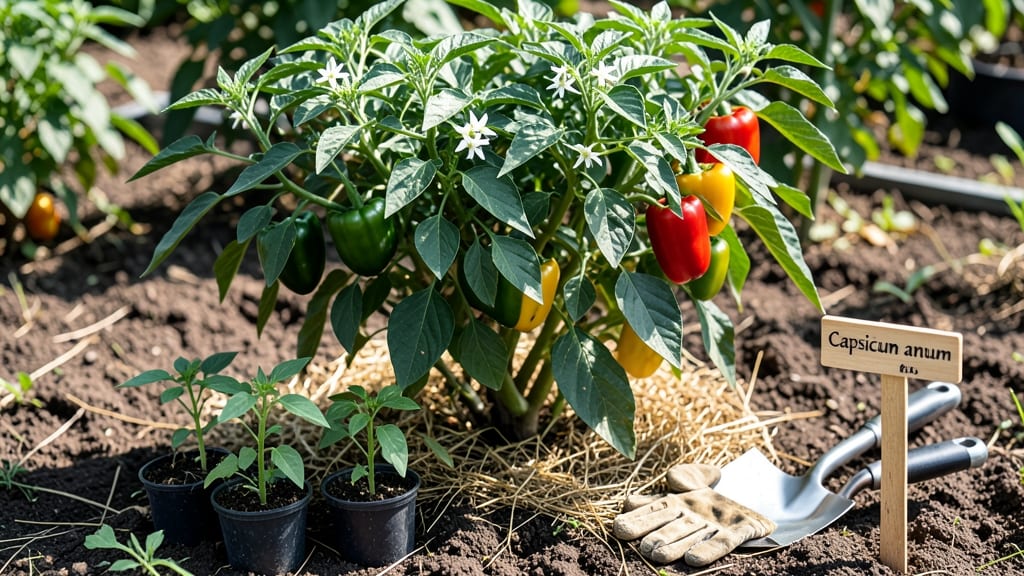
Timing your 🌶️ bell pepper planting in Oklahoma isn’t just about waiting for spring—it’s about mastering your microclimate to avoid stunted plants or wasted seeds.
With last frost dates shifting from late March in the panhandle to early April in Tulsa, even a two-week difference can mean the gap between a thriving harvest and a disappointing one.
Most gardeners in Oklahoma’s 6b-8a zones rush to plant too early, only to watch their seedlings bolt in the heat or struggle with cold soil. The key? Waiting until soil temperatures hit 60°F+—typically mid-April to early June—and using black plastic mulch to warm the ground faster.
In this guide, I’ll break down the exact planting windows for Oklahoma City, Tulsa, and the panhandle, plus how to adjust for urban heat islands or rural chill zones. You’ll also discover how succession planting and heat-tolerant varieties can stretch your harvest from July through October.
Whether you’re a first-time gardener or a seasoned pro, these microclimate-specific tips will help you maximize yields and avoid common mistakes that plague Oklahoma gardens. Let’s get those peppers growing right!
Oklahoma’s bell pepper planting zones: exact dates by microclimate
Oklahoma’s diverse climate means bell pepper planting dates vary 1-2 weeks between regions. The key is waiting for soil temperatures to hit 60°F+ and planting after the last frost date.
In most areas, this falls between mid-April and early June, but timing shifts dramatically from the humid southeast to the dry panhandle.
For accurate planning, check Oklahoma State University’s Mesonet for your local frost dates. Urban areas like Oklahoma City often warm up 5-7 days faster than rural zones due to heat islands. Meanwhile, the panhandle’s cooler nights may delay planting by 10-14 days compared to Tulsa.
🌱
| Region | Avg. Last Frost | Ideal Planting Window | Soil Temp Threshold | Notes |
|---|---|---|---|---|
| Oklahoma City | Late March | April 20–May 10 | 60°F+ | Urban heat speeds soil warming |
| Tulsa | Early April | April 15–May 5 | 60°F+ | Humid subtropical climate |
| Lawton | Mid-April | May 1–May 15 | 60°F+ | Semi-arid; drier soil |
| Panhandle (Amarillo) | Late April | May 15–June 1 | 65°F+ | Cooler nights delay planting |
In southeastern Oklahoma, like near Tulsa, you can start direct-sowing seeds as early as April 15 if using black plastic mulch to warm soil. However, northern regions like Enid should wait until May 1 to avoid frost damage.
For transplants, aim to move seedlings outdoors 2 weeks after your area’s last frost date.
Pro tip: Use a soil thermometer to confirm 60°F+ soil temps. Cold soil slows germination and can cause seed rot. If your soil is still chilly, opt for container gardening with heat mats under pots to jumpstart growth.
For extended harvests, stagger plantings every 2 weeks from April to June. This ensures peppers mature at different times, giving you fresh pods from July to October. Just remember: late plantings (after June 15) risk stunted growth before Oklahoma’s first frost in November.
🌿
If you’re unsure about your exact microclimate, consult the Oklahoma Mesonet or your local OSU Extension office. They provide hyperlocal data on frost dates and soil conditions. For example, Tulsa’s urban core might be ready 10 days earlier than nearby rural areas due to asphalt heat absorption.
Finally, choose heat-tolerant varieties like ‘Carmen’ or ‘Jupiter’ if you’re in southern Oklahoma, where summer temps can exceed 100°F. These varieties handle heat stress better than standard types, ensuring larger yields despite Oklahoma’s short growing season.
☀️
How to extend your bell pepper growing season in Oklahoma’s short summers
Oklahoma’s short 90-day growing season can feel like a race against time for bell pepper lovers. But with the right strategies, you can push your harvests from July to October—or even later!
The key lies in frost protection, succession planting, and choosing varieties that thrive in heat. Let’s break down how to make the most of every sunny day.
First, heat-tolerant varieties like ‘Carmen’ (red) or ‘Jupiter’ (yellow) are your best friends. These peppers handle Oklahoma’s 90°F+ afternoons without bolting or losing flavor. Pair them with black plastic mulch to keep soil temps ideal—this simple trick can add 2-3 weeks to your growing window by warming roots faster.
Don’t overlook Oklahoma Mesonet alerts for real-time weather updates. A sudden 30°F drop can wipe out unprotected plants overnight—so keep a frost cloth handy for emergencies. For urban gardeners, container growing on patios or balconies also works, as pots warm up faster than in-ground soil.
Pro tip: Harvest peppers regularly to encourage more production. When you pick a ripe pepper, the plant redirects energy to grow another—critical in Oklahoma’s limited growing window. Aim to harvest every 3-5 days during peak season to keep plants productive.
With these tactics, you’ll turn Oklahoma’s challenging climate into an advantage. Soon, you’ll be enjoying homegrown bell peppers long after your neighbors’ gardens have gone dormant. Happy growing!