
Plants
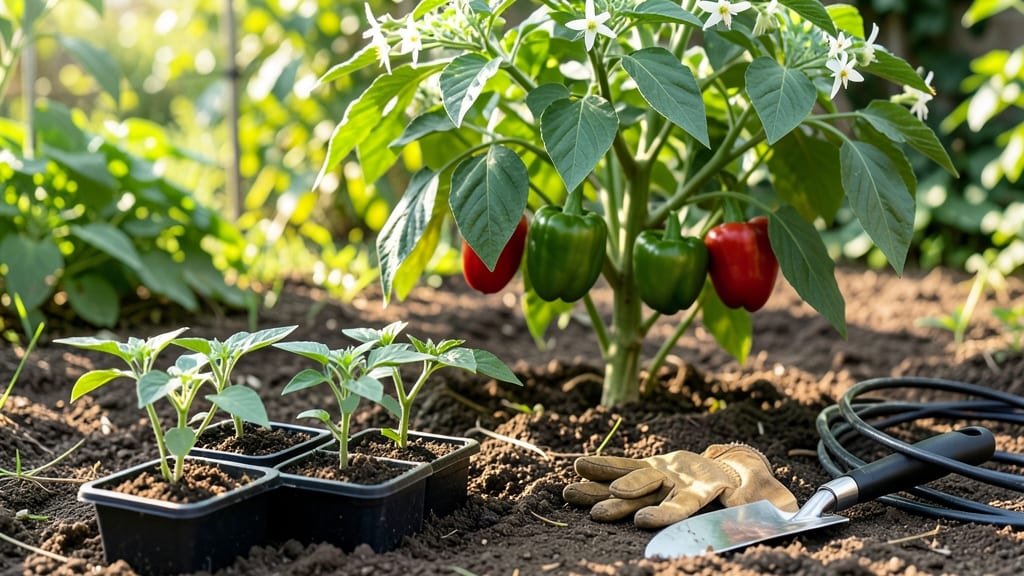
Planting bell peppers in Kansas at the wrong time can turn your garden dreams into a sad, wilted pile of disappointment—but get the timing right, and you’ll be swimming in crisp, vibrant 🌶️ peppers by summer. The key? Waiting until after the last frost (usually around April 15), when soil temperatures hit at least 60°F—any earlier, and your seedlings will shiver away.
Kansas gardeners in USDA Zones 6-7 face a tight window: start seeds indoors 8-10 weeks before your last frost, or direct-sow after May 1 to avoid frost damage. The stakes are high—peppers hate cold, so rushing them is a recipe for stunted growth or worse.
But with the right prep, you can stretch that window and enjoy harvests from July through October.
Don’t let Kansas’s unpredictable weather throw you off. Whether you’re in Wichita’s heat or Topeka’s cooler pockets, we’ll break down the exact deadlines, soil tricks, and variety picks that’ll have your peppers thriving—no guesswork needed. Let’s get those plants in the ground the right way.
You’ll learn how to time your planting for maximum yield, protect seedlings from late frosts, and even squeeze in a fall crop if you’re ambitious. Ready to turn your garden into a pepper powerhouse? Let’s dive in.
Kansas bell pepper planting deadlines by USDA Zone 6 & 7
Kansas gardeners know timing is critical for bell peppers 🌶️—these heat-loving plants need warm soil and frost-free nights to thrive. In USDA Zones 6 and 7, your planting window is narrow but precise, typically between mid-April and mid-May.
Missing this window risks frost damage, while planting too late cuts harvest time short.
First, check your last average frost date: Most of Kansas sees frost linger until April 15, but western regions (like Garden City) may warm up earlier. Eastern areas (like Kansas City) often wait until mid-May to transplant seedlings safely.
Bell peppers demand soil temperatures above 60°F—a chilly Kansas spring can delay planting. Use a soil thermometer to confirm warmth before transplanting. If your soil is still cold, try black plastic mulch to accelerate heating.
For direct sowing (planting seeds outdoors), aim for late May to early June when soil is reliably warm. However, direct-sown peppers take longer to mature, so they’re best for late-season varieties or gardeners with shorter growing seasons.
Here’s your Kansas bell pepper planting timeline by zone, including key deadlines and heat thresholds:
| Zone | Last Frost Date | Ideal Transplant Window | Soil Temp Threshold | Heat Tolerance |
|---|---|---|---|---|
| Zone 6 (e.g., Kansas City, Topeka) | April 15–May 1 | May 1–15 | 60°F+ (15°C+) | Moderate (struggles below 50°F) |
| Zone 7 (e.g., Wichita, Salina) | April 1–15 | April 15–May 1 | 60°F+ (15°C+) | High (handles 90°F+ well) |
| Western KS (e.g., Garden City) | March 20–April 5 | April 10–25 | 65°F+ (18°C+) | Very High (dry heat preferred) |
🌡️ Pro Tip: Use a seedling heat mat if transplanting early to jumpstart growth.
If you’re starting seeds indoors, begin 8–10 weeks before your last frost date. For Zone 6, that’s mid-February to early March, while Zone 7 gardeners can wait until late February. Use grow lights to prevent leggy seedlings.
For fall planting, Kansas’s short season limits options, but you can try fast-maturing varieties like ‘Early Cal Wonder’ (60 days). Plant seeds indoors in July and transplant late August to early September, aiming to harvest before first frost (typically mid-October).
Remember: Microclimates matter! Urban areas may stay cooler than rural spots, while south-facing gardens warm up faster. Adjust your timeline by 1–2 weeks based on your specific location’s frost history.
Missed the spring window? Don’t despair—container growing lets you extend the season. Move pots to a sunny patio or greenhouse in fall for a second harvest. Just ensure containers have drainage holes to prevent root rot in Kansas’s humid summers.
Kansas bell pepper planting deadlines by USDA Zone 6 & 7
Kansas gardeners must work with a tight schedule to grow bell peppers successfully. In USDA Zone 6, the last frost typically arrives around April 15, while Zone 7 sees it slightly earlier, near April 1.
Bell peppers are frost-sensitive, so planting too soon risks losing your entire crop to cold snaps. Aim to transplant seedlings 2-3 weeks after your area's last frost date for the best results.
For direct sowing, wait until soil temperatures consistently reach 60°F or higher. This usually happens by mid-May in most of Kansas.
Starting seeds indoors 8-10 weeks before your last frost date gives you a head start, but be prepared to use grow lights if your indoor setup lacks sufficient sunlight.
Here’s your Kansas bell pepper planting timeline broken down by zone and method:
| Zone & Task | Zone 6 Deadline | Zone 7 Deadline | Key Tip |
|---|---|---|---|
| Start Indoors | March 1-15 | February 20-March 5 | Use seedling heat mat for faster germination. |
| Transplant Seedlings | May 1-15 | April 15-May 1 | Hardening off seedlings for 7-10 days first. |
| Direct Sow | May 15-30 | May 1-15 | Cover seeds with black plastic mulch to warm soil. |
| First Frost Risk | October 15 | October 1 | Plan for fall harvest before this date. |
| Harvest Window | July-October | June-October | Pick regularly to encourage more production. |
Don’t let Kansas’s unpredictable spring weather throw you off. If frost warnings linger past your ideal transplant date, use row covers or a cold frame to protect young plants. These tools can buy you an extra 2-3 weeks of growing time, extending your harvest window significantly.
For fall planting, you can attempt a second crop by sowing seeds indoors in July and transplanting in August. Choose fast-maturing varieties (under 60 days) to ensure peppers ripen before the first frost.
Just be prepared to use row covers again to shield tender plants from early cold snaps.
Pro tip: Monitor your local Kansas State University Extension frost alerts for real-time updates. Their data is tailored to your specific county and can save your crop from unexpected chilly nights.
With the right timing and a little preparation, you’ll be enjoying homegrown bell peppers straight from your garden all summer long. 🌶️