
Plants
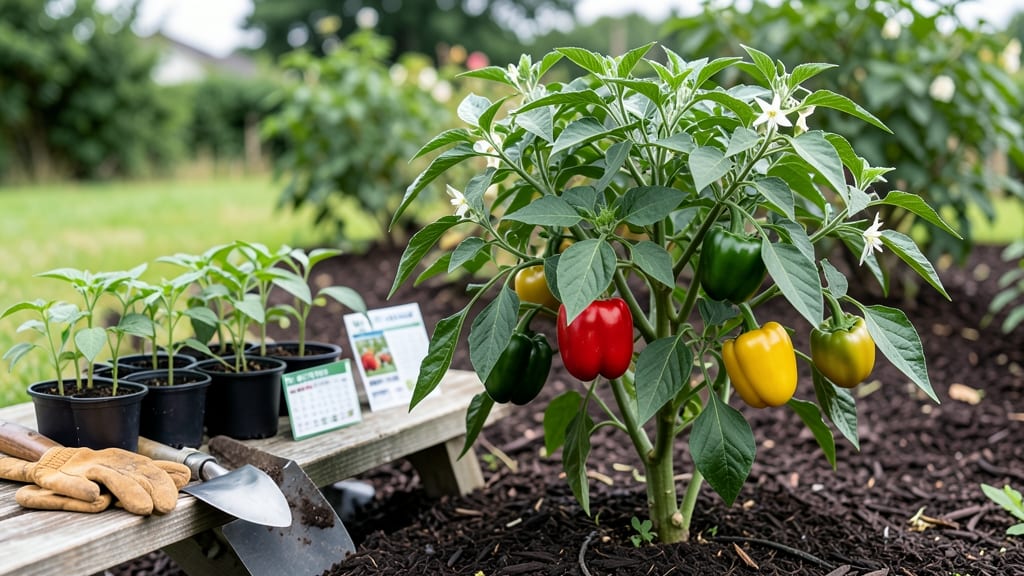
Timing your bell pepper 🌶️ planting in Indiana isn't just about the calendar—it's about dodging frost, warming soil, and giving your plants the best shot at a bountiful harvest.
With Indiana's Zone 6a climate, getting those seeds in the ground between April 15 and May 15 makes all the difference between thriving plants and wilted dreams.
Most gardeners here learn the hard way: planting too early means frost damage, while waiting too long cuts your growing season short. I've seen firsthand how a 5-day delay can mean the difference between a garden full of peppers and one that barely survives.
The key is understanding your local frost dates and soil temperatures—something Purdue Extension's data can help you pinpoint.
Whether you're starting seeds indoors in March or transplanting seedlings in May, this guide will walk you through Indiana-specific strategies. We'll cover everything from adjusting for late frosts to choosing the right varieties that thrive in our short growing season.
No more guessing—just a clear, actionable timeline to get your bell peppers off to the best possible start.
Ready to grow peppers that actually produce? Let's break down the exact dates, soil prep tips, and transplanting tricks that work in Indiana's climate. Your future harvest depends on getting this right—and I've got you covered with the details you need to succeed.
Indiana bell pepper planting dates by last frost timeline
Indiana’s last frost dates vary dramatically between Northern Indiana (Zone 5) and Southern Indiana (Zone 6), making precise timing critical for bell pepper success. In Zone 5, the average last frost falls around April 15, while Zone 6 typically sees frost-free conditions by April 1.
However, late frosts can push these dates into May, so flexibility is key.
Bell peppers are heat-loving plants that thrive in soil temperatures above 60°F. Planting too early risks cold soil damage, while waiting too long may shorten your harvest window. Indiana’s 165-day growing season demands careful planning to maximize pepper production before the first frost in mid-October.
🌱
For direct sowing, wait until soil temperatures consistently stay above 60°F—typically late May in Northern Indiana. However, transplanting seedlings (started indoors in March) gives you a 2-3 week head start and aligns better with Indiana’s frost dates.
Southern Indiana gardeners enjoy a longer growing season, allowing for two planting windows: an early crop in April and a late crop in June for fall harvests. Northern gardeners should focus on one main planting in May to avoid frost risks.
🌡️ Use a soil thermometer to confirm readiness—bell peppers won’t thrive in cold soil, even if air temperatures seem warm. Aim for 60-65°F at a 4-inch depth for best results.
Pro tip: Check Purdue Extension’s frost maps annually, as climate shifts can alter last frost dates by 1-2 weeks. Historical data shows Northern Indiana’s frost dates have moved 7 days earlier over the past decade.
🌿 Transplanting hack: Harden off seedlings for 7-10 days before moving them outdoors to prevent shock from Indiana’s temperature swings between day and night.
Remember, bell peppers need 75-90 days to mature—plant too late, and you’ll miss your harvest window entirely. Use row covers to extend your season if frost threatens after planting.
How to adjust planting for Indiana’s unpredictable weather patterns
Indiana’s weather can throw a curveball at even the most experienced gardeners—one day it’s 60°F and sunny, the next it’s a 32°F surprise frost. If you’ve ever watched your bell pepper seedlings shiver under a late spring freeze, you know how quickly things can go wrong.
The key to success? Flexibility and knowing how to protect your plants when Mother Nature misbehaves.
I’ve learned the hard way that row covers and cold frames are my best friends during Indiana’s infamous May frosts. These tools can add 4-8°F of protection, turning a potential disaster into a thriving garden.
For example, a fleece row cover can mean the difference between a dead plant and one that keeps growing through a 28°F night.
Another trick I swear by is transplanting later than the average timeline. Instead of rushing to plant on April 15, I often wait until May 1 or even May 10 to ensure the soil stays warm enough.
Bell peppers won’t germinate below 60°F, and cold soil can stall their growth for weeks. A soil thermometer is your new best friend—60°F minimum is non-negotiable.
🚨 Warning: Late Frosts Are Real in Indiana
Even after the average last frost date, Indiana can see late frosts well into May. Here’s how to protect your peppers:
- Use row covers until nighttime temps stay above 50°F consistently.
- Avoid planting near reflective surfaces (like white fences) that can lower soil temps.
- Choose low-lying spots—cold air sinks, so higher ground warms faster.
🌡️ Pro Tip: Monitor Purdue Extension’s frost alerts for real-time updates.
If you’re starting seeds indoors in March, give them a head start under grow lights or a sunny windowsill. Hardening off seedlings for 7-10 days before transplanting helps them toughen up against Indiana’s wind and temperature swings.
I’ve had seedlings bolt (flower too early) when moved outside too soon—gradual acclimation is key.
Heatwaves can also stress bell peppers, especially in July and August. Mulching with straw or grass clippings keeps roots cool and retains moisture. I’ve seen peppers blossom drop (abort flowers) during 90°F+ days—shade cloth can save the day by reducing stress.
Even a 30% shade cloth can make a huge difference in extreme heat.
Finally, keep an eye on the 7-day forecast before transplanting. If a cold front is predicted within 48 hours, delay planting or use protective covers. I once lost a batch of seedlings to a 36°F night because I didn’t check the weather—don’t make that mistake.
With these adjustments, you’ll beat Indiana’s weather and still get a bountiful harvest.