
Plants
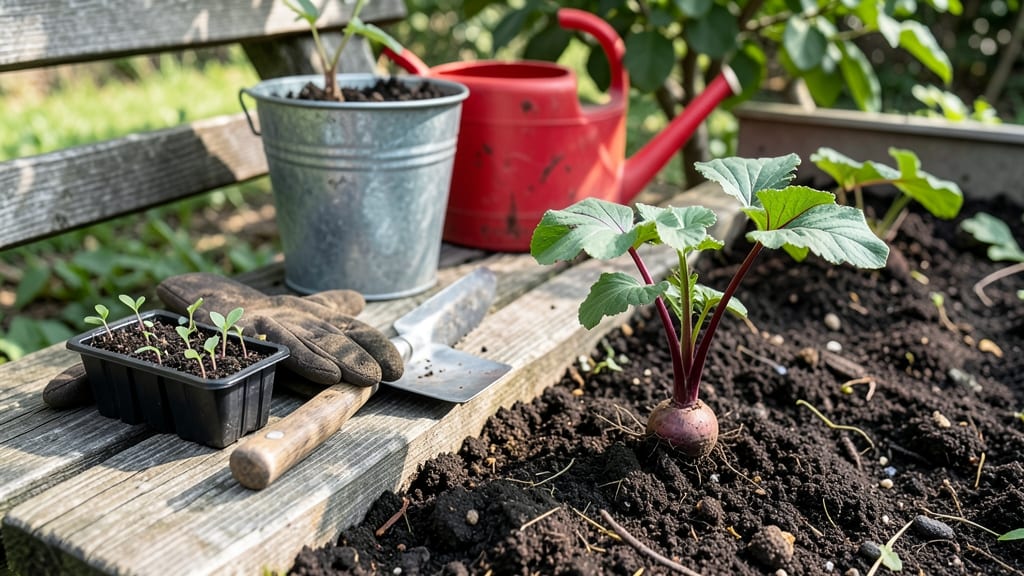
Knowing when to plant beets in Southern California can mean the difference between a bumper crop of sweet, tender roots and a disappointing harvest. Unlike cooler climates, SoCal’s mild winters and long growing seasons let you grow 🍠 nearly year-round—but timing still matters to avoid bolting or stunted growth.
Here’s the secret: coastal areas like San Diego can plant as early as September, while inland deserts wait until November to dodge heat stress. With the right schedule, you’ll enjoy fresh beets from winter through summer, even in zones 9b–11.
Let’s break down the exact planting windows and microclimate tweaks to maximize your harvest.
Why settle for store-bought when you can grow crisp, homegrown beets tailored to your local conditions? I’ll show you how to align your planting with soil temps, rainfall patterns, and even the length of daylight—so your beets thrive, not just survive. Ready to dig in?
From succession planting to heat-resistant varieties, we’ll cover everything you need to turn your garden into a beet bonanza. Whether you’re a first-time gardener or a seasoned green thumb, these tips will help you avoid common pitfalls and keep your harvests consistent. Let’s get started!
Southern California beet planting calendar by microclimate Zone
Southern California’s diverse climate—from frost-free coastal areas to hot inland deserts—means your beet planting schedule should adapt to your USDA Zone. Coastal regions (Zone 10) enjoy mild winters, while inland valleys (Zone 9) and deserts (Zone 8) face cooler nights and hotter days.
Timing your beet seeds correctly avoids bolting (premature flowering) or stunted growth from extreme heat.
Beets thrive in cool-season conditions (50–75°F soil temps), making fall and winter the ideal planting windows. However, coastal areas can extend harvests into early spring, while desert regions may need shade during summer months. Let’s break down the best planting dates for each microclimate to maximize your beet yield.
🌱 Key Takeaway: Coastal SoCal (Zone 10) can plant year-round, but inland deserts (Zone 8) should avoid summer heat. Use this microclimate guide to align your planting schedule with local conditions.
| Zone & Region | Best Planting Window | Soil Temp (°F) | Harvest Window | Notes |
|---|---|---|---|---|
| Coastal (Zone 10) | September–November (Fall) December–February (Winter) |
55–70°F | November–March (Fall) February–May (Winter) |
Mild winters; can plant year-round with shade in summer. |
| Inland Valleys (Zone 9) | October–December (Fall) January–March (Winter) |
50–65°F | December–April (Fall) March–June (Winter) |
Rare frost possible; use row covers for protection. |
| Desert (Zone 8) | September–October (Fall) February–March (Winter) |
50–60°F | November–January (Fall) April–May (Winter) |
Avoid summer planting; use shade cloth (30–50%). |
| All Zones | April–May (Spring) | 60–70°F | June–July (Spring) | Risk of bolting; plant heat-tolerant varieties like 'Detroit Dark Red'. |
For coastal gardeners, the fall planting window (September–November) is ideal, with harvests stretching into early spring. Soil temperatures should stay between 55–70°F to prevent bolting. Inland valleys can push planting into December–February, but watch for rare frost events—use row covers or mulch to protect young plants.
Desert regions must avoid summer heat entirely. Plant in September–October for a fall harvest or February–March for spring. Use shade cloth (30–50%) to keep soil temps below 75°F and prevent bolting. Succession planting every 2–3 weeks ensures a steady supply of fresh beets.
Pro tip: Test your soil temperature with a thermometer before planting. Beets won’t germinate well in soil below 50°F or above 80°F. Aim for 55–70°F for optimal growth. If your soil is too hot, wait or use shade cloth to cool it down.
💧 Watering Tip: Keep soil consistently moist (1–1.5 inches per week) during germination and early growth. Once established, beets are drought-tolerant but produce sweeter roots with steady moisture.
In Zone 10 coastal areas, you can even experiment with summer planting (June–July) for a fall harvest, but prioritize shade and frequent watering. Choose heat-tolerant varieties like 'Golden' or 'Chioggia' to improve success rates in warmer months.
🌡️ Temperature Warning: Soil temps above 75°F trigger bolting. Monitor your garden with a soil thermometer and adjust planting times or use shade cloth to stay within the ideal range.
How to extend beet harvests in Southern California’s climate
Extending your beet harvests in Southern California isn’t just about planting once—it’s about strategic timing and microclimate adjustments. With the right techniques, you can enjoy fresh beets from late fall through early summer, even in the hottest zones.
The key? Succession planting, shade protection, and choosing varieties that handle SoCal’s extremes.
Start by planting every 2–3 weeks from September through March in coastal areas. Inland deserts should space plantings 3–4 weeks apart to avoid summer heat stress. This staggered approach ensures a steady supply of baby beets and mature roots without overwhelming your garden at once.
For summer harvests, use 30–50% shade cloth to protect seedlings from intense desert sun. I’ve found that varieties like 'Detroit Dark Red' and 'Golden' handle heat better than others. Plant these in early spring (March) or late summer (August) for fall harvests before temperatures drop.
Don’t overlook mulching—it’s a game-changer for SoCal gardens. A 2–3 inch layer of straw keeps soil cool, retains moisture, and suppresses weeds. In my desert garden, mulched beds stay 10–15°F cooler than unmulched ones, which is crucial for beet growth during summer months.
Finally, prioritize soil health with regular compost additions. Beets are heavy feeders, and SoCal’s sandy soils often lack organic matter. I mix in aged compost or worm castings before each planting cycle to ensure sweet, tender roots.
For container growers, use well-draining potting mix with added perlite to prevent root rot.
With these strategies, you’ll enjoy homegrown beets from November through August, even in the most challenging SoCal microclimates. The secret? Adapt your approach to your specific zone—coastal, valley, or desert—and your garden will reward you with a bounty of crisp, flavorful roots all season long. 🌱