
Plants
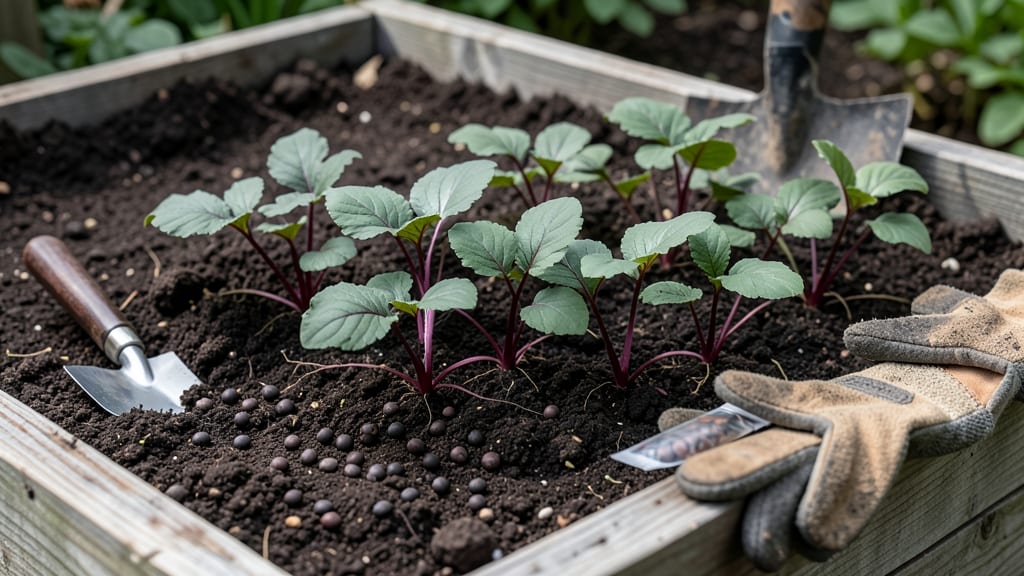
Timing your beet planting in South Carolina can mean the difference between a harvest of sweet, tender roots and bitter, woody failures - and the best window is narrower than you might think.
With USDA Zone 8a conditions and those unpredictable coastal breezes, you need a precise schedule to avoid the heat stress that turns your 🍠 into tough, stringy messes. I’ve grown beets here for years, and I’ll show you exactly when to plant for two perfect harvests—spring and fall—without the guesswork.
Most gardeners in South Carolina focus only on spring planting, but the fall window (August-September) is just as critical for continuous harvests. We’ll cover the exact months to avoid, how to prep your soil for humidity, and which heat-tolerant varieties actually thrive here.
Ready to grow beets that stay sweet even in the summer heat? Let’s get your planting calendar locked in for a bumper crop—no more wasted seeds or disappointing harvests.
Best planting months for beets in South Carolina (avoid these mistakes)
Timing your beet planting in South Carolina is all about beating the heat and avoiding frost. The ideal window is February through March for spring harvests, while August to September works for fall crops. These months give your beets time to mature before summer’s oppressive heat or winter’s first frost.
Beets thrive in cool temperatures (50–70°F), so planting too early (like January) risks frost damage, while planting too late (after April) often leads to bolting or bitter roots.
The last frost date in most of SC is around March 15, so aim to sow seeds 4–6 weeks before that date for spring crops.
For fall planting, start seeds in late summer (August) so they mature by November 15, the average first frost date. Coastal areas like Charleston may have slightly later frost dates, while inland regions like Greenville tend to frost earlier—always check your local USDA Zone 8a guidelines.
| Season | Planting Window | Key Considerations |
|---|---|---|
| Spring | February–March | Avoid frost; soil temp ≥50°F |
| Fall | August–September | Harvest before Nov 15 frost |
| Avoid | April–July | Heat causes bolting; roots turn woody |
One common mistake SC gardeners make is planting beets in full summer heat. Temperatures above 80°F trigger bolting (flowering), turning your sweet roots into bitter, stringy failures. Instead, use shade cloth or opt for heat-tolerant varieties like 'Detroit Dark Red' if you must plant in late spring.
Another pitfall is overcrowding seeds. Thin seedlings to 2–3 inches apart once they sprout—otherwise, they’ll compete for nutrients and produce small, misshapen roots. Mark your rows with toothpicks or a string line to ensure even spacing.
For continuous harvests, stagger plantings every 2 weeks in spring and fall. This ensures a steady supply of fresh beets instead of a single overwhelming harvest. Just remember: shallow planting (½ inch deep) is key—beets need light to germinate quickly.
Soil prep is just as critical as timing. Amend your garden beds with compost to improve drainage, as beets hate soggy soil. Aim for a pH of 6.0–7.0—test your soil in January to give yourself time to adjust before planting season.
If you’re in Zone 8a’s coastal regions (e.g., Hilton Head), you might squeeze in a third planting in October for a late fall harvest. Just monitor weather forecasts and protect young seedlings with row covers if frost threatens.
Finally, avoid the urge to plant beets in containers without drainage holes. Root rot is a silent killer in SC’s humid climate. Use pots with holes and a lightweight potting mix to prevent waterlogging.
Best planting months for beets in South Carolina (avoid these mistakes)
South Carolina’s USDA Zone 8a climate gives you two prime windows for planting beets: early spring (February-March) and late summer (August-September). These timings align with soil temperatures between 45°F and 85°F, which are ideal for germination and growth.
Planting outside these windows risks bolting (premature flowering) or woody roots from heat stress.
Most gardeners in SC focus only on spring, but the fall window is just as critical. August-September plantings mature before the first frost (November 15), giving you a second harvest. I’ve seen gardeners miss this window and end up with bitter beets—don’t let that happen to you!
| Season | Planting Window | Soil Temp | Harvest Time | Key Tip |
|---|---|---|---|---|
| Spring | February–March | 50°F–70°F | May–June | Plant 4–6 weeks before last frost |
| Fall | August–September | 60°F–80°F | October–November | Avoid planting after September 15 |
Avoid planting beets in April or October—these months often bring unpredictable heat spikes or early frosts. April’s soil can still be too cold for consistent germination, while October plantings may not mature before frost.
I once planted in early October and lost my entire crop to a surprise frost—don’t make that mistake!
For coastal SC gardeners, account for microclimates. Areas near the coast (e.g., Charleston) may have slightly later frost dates, while inland regions (e.g., Columbia) can experience earlier cold snaps.
Adjust your planting by 1–2 weeks based on your local frost history. Check the SC State Climate Office for your county’s average frost dates.
Prep your soil by amending it with compost or aged manure to improve drainage—beets hate soggy roots. Work in a balanced fertilizer (5-10-10) at planting time, and keep the soil consistently moist (but not waterlogged) for the first 30 days.
Mulch with straw to retain moisture and suppress weeds, which is especially important in SC’s humid summers.
If you’re new to beet growing, start with small batches to test your timing. Even with perfect planting dates, some years bring unexpected heat waves or droughts. Having a backup plan—like shade cloth for summer plantings—can save your harvest.
With the right timing and care, you’ll enjoy sweet, tender beets from both spring and fall plantings! 🍠