
Plants
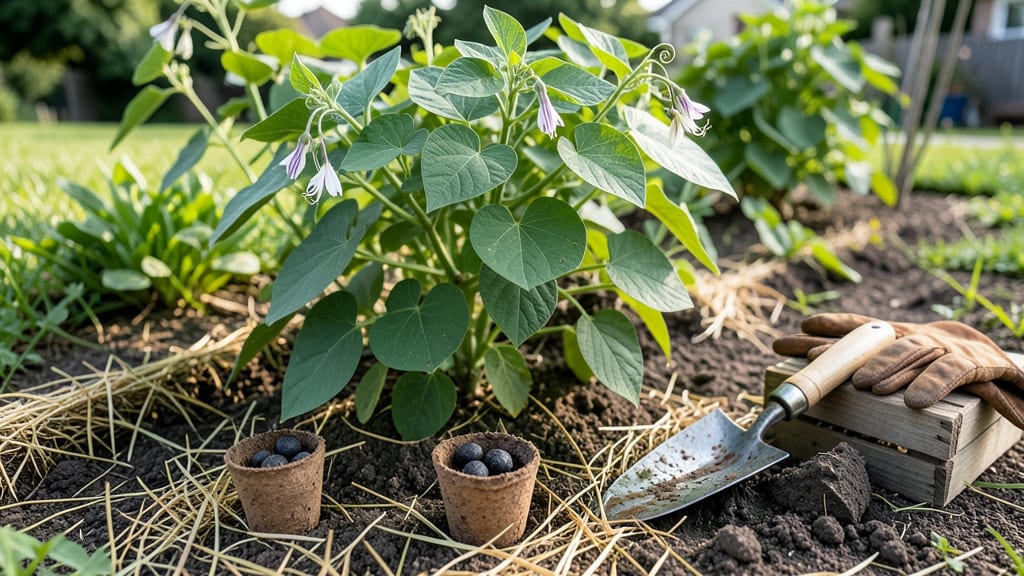
Timing is everything when it comes to growing beans in Southern California—plant them too early, and you risk heat stress, while waiting too long could mean missing the perfect harvest window.
With 9b-11 zones and year-round growing potential, you’ve got more flexibility than most gardeners, but knowing the exact months to plant 🌱 your bush or pole beans can make the difference between a bountiful garden and a frustrating flop.
Most gardeners in SoCal focus on spring planting, but did you know you can also grow beans in late summer or early fall? The key is avoiding peak summer heat, which can cause beans to bolt or struggle to set pods.
Whether you're in coastal areas like San Diego or inland spots near Palm Springs, the right timing ensures your plants thrive from February through March—or again in August through September.
This guide breaks down the best planting windows for your region, plus tips for choosing heat-tolerant varieties like Scarlet Runner or Pinto beans that perform well in Southern California’s climate.
You’ll learn how to prepare your soil, time your plantings for continuous harvests, and even extend the growing season with simple tricks like shade cloth or mulching.
Ready to grow beans that produce all season long? Let’s dive into the exact months and methods that work best for your garden—and how to keep your 🌱 plants happy from seed to harvest.
Best months to plant beans in Southern California by region
Southern California’s diverse microclimates mean your bean planting schedule should depend on whether you’re in coastal areas (like San Diego or LA) or inland desert regions (such as Palm Springs or Riverside). Coastal zones enjoy milder winters and cooler summers, while inland areas face extreme heat and longer growing seasons.
Let’s break down the best times to plant for each region to avoid heat stress or premature bolting.
For coastal Southern California, the ideal planting window is February through April for spring harvests and August through early September for fall harvests. These cooler months allow beans to establish roots before summer’s intense heat arrives.
Inland areas, however, can push planting slightly later—March through May for spring and late August to October for fall—to align with soil warming trends.
Here’s how to align your planting with Southern California’s unique climate zones:
| Region | Spring Planting Window | Fall Planting Window | Soil Temp Requirement | Key Varieties |
|---|---|---|---|---|
| Coastal (San Diego, LA) | February–April | August–Early September | 60–65°F | Romano, Blue Lake, Scarlet Runner |
| Inland (Riverside, Palm Springs) | March–May | Late August–October | 70–75°F | Pinto, Contender, Black Valentine |
| Desert (Joshua Tree, Yuma) | April–Early June | September–Early November | 75–80°F | Oregon Sugar Pod, Blue Lake |
🌱 Pro Tip: Test soil temperature with a soil thermometer—beans need consistent warmth to germinate.
If you’re in coastal areas, aim for February plantings to harvest by late spring, then repeat in August for a fall crop. Inland gardeners should wait until March or April to avoid summer’s scorching heat, which can cause beans to bolt prematurely.
For desert regions, focus on spring and fall plantings to escape the extreme summer temperatures.
One common mistake is planting beans in peak summer (June–August), especially in inland areas. Soil temperatures can exceed 90°F, shocking seeds and preventing germination. Instead, use shade cloth or mulch to protect seedlings if you must plant during these months.
For pole beans, which take longer to mature, start seeds 4–6 weeks earlier than bush beans to ensure they’re established before summer’s heat sets in. For example, plant pole beans in January–February for coastal regions or February–March inland.
Always monitor your local weather forecasts for unexpected heatwaves or rain patterns. In coastal areas, fog can delay soil warming, while inland regions may experience sudden heat spikes. Adjust your planting timeline accordingly to give beans the best chance to thrive.
Finally, consider succession planting every 2–3 weeks during your region’s ideal window. This ensures a continuous harvest and prevents overcrowding, which can stress plants and reduce yield. For example, plant a new batch every 14 days from February to April in coastal zones.
With the right timing, you can enjoy fresh, homegrown beans from late spring through fall—no matter where you garden in Southern California! 🌿
Best months to plant beans in Southern California by region
Southern California’s diverse microclimates mean your planting schedule should depend on whether you’re in coastal areas like San Diego or inland desert regions near Palm Springs. Coastal gardens enjoy milder winters and cooler summers, while inland areas face intense heat, making timing even more critical.
For both, the ideal soil temperature for planting is 60–70°F, and the best months are February–March for spring plantings and August–September for fall.
Coastal regions (e.g., Los Angeles, Santa Barbara) can start planting as early as January when nights remain cool, but inland areas should wait until March to avoid heat stress. Fall plantings in both regions should begin in August to allow beans to mature before temperatures spike again in late summer.
Always check your local USDA Zone 9b–11 guidelines to fine-tune your schedule.
Here’s a quick breakdown of the best planting windows for your region, including soil prep tips to ensure success:
| Region | Spring Planting Window | Fall Planting Window | Soil Prep Tip |
|---|---|---|---|
| Coastal (San Diego, LA) | January–March | August–September | Amend soil with compost; mulch to retain moisture. |
| Inland (Palm Springs, Riverside) | March–April | Late August–September | Use shade cloth for seedlings; water deeply at night. |
| Valleys (San Fernando, Santa Clara) | February–March | August–Early September | Test soil pH (6.0–7.0); add organic matter. |
For pole beans, which need trellises, start seeds indoors in February for coastal areas or March for inland zones, then transplant after the last frost risk (though SoCal rarely sees frost). Bush beans, which mature faster, can be direct-sown in the ground once soil reaches 60°F.
Always choose varieties suited to your microclimate—Scarlet Runner beans, for example, thrive in coastal heat, while Pinto beans prefer cooler inland springs.
One common mistake is planting beans during peak summer heat (June–July), which causes them to bolt or produce bitter pods. Instead, opt for succession planting in spring and fall to keep your harvests fresh.
If you’re in a hotter inland area, consider using black plastic mulch to warm the soil faster in spring or shade cloth to protect seedlings from afternoon sun in fall.
Pro tip: Monitor your local weather forecasts for sudden heatwaves, especially in inland areas. If temperatures exceed 90°F for more than a week, your beans may struggle to set pods. Adjust your watering schedule to deep, infrequent soakings in summer to encourage root growth and drought tolerance.