
Plants
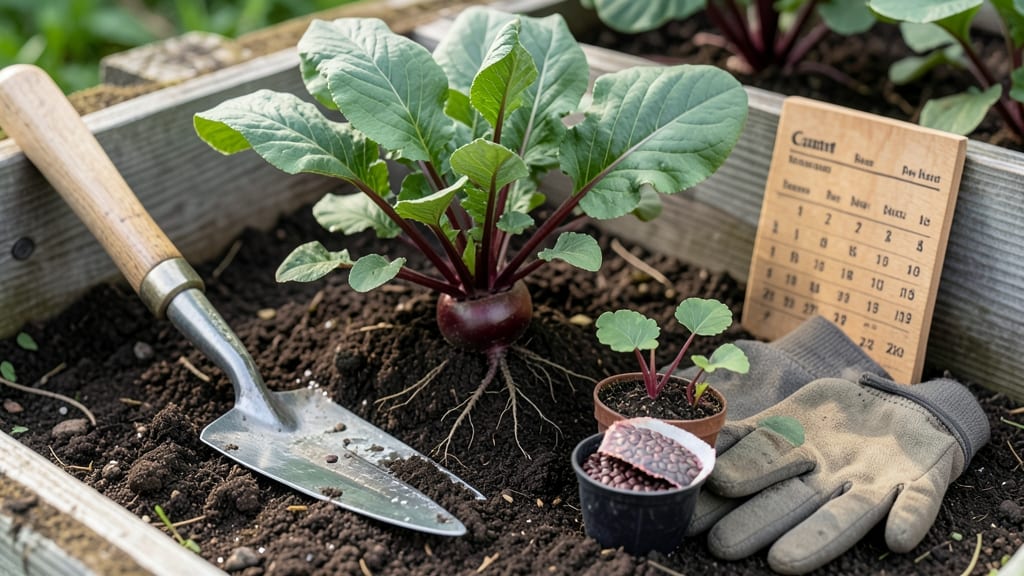
Timing your 🍠 beet planting in Oregon could mean the difference between sweet, tender roots and bitter, woody failures—especially with our unpredictable coastal and high-desert swings.
Whether you're in the rainy Willamette Valley or the dry eastern regions, getting seeds in the ground at the right moment prevents bolting and ensures a steady harvest from spring through fall.
Most gardeners in Oregon’s USDA zones 7b-9a swear by early spring planting between March and April, but late summer sowings (July-August) work too—if you beat the heat.
The key is avoiding those scorching summer days that turn beets tough and stringy, while also dodging late frosts that can stall germination.
I’ve tested the best strategies for Oregon’s climate, from succession planting to soil prep tricks that keep your beets thriving. Ready to grow fast, sweet harvests without the guesswork?
Let’s break down exactly when, where, and how to plant for maximum success—no matter which part of the state you call home.
You’ll also discover how to handle Oregon’s biggest beet-growing challenges, like bolting and uneven soil temperatures, so you can enjoy homegrown harvests from May through October. Let’s get those seeds in the ground right!
Best planting months for beets in Oregon’s climate zones
Oregon’s diverse climate—from the cool, damp coastal regions to the warmer Willamette Valley and high-desert areas—means beet planting times vary dramatically. To grow sweet, tender beets, you’ll need to align your planting with soil temperatures and frost-free windows.
Coastal areas like Astoria or Cannon Beach have later last-frost dates, while inland Bend or Pendleton can plant weeks earlier.
For most of Oregon, the ideal planting window is March through April for spring harvests, with a second chance in late July to August for fall crops.
However, high-desert zones like Klamath Falls can start as early as February, while coastal areas should wait until late March to avoid frost damage.
Beets thrive in 50–65°F soil temperatures. In Oregon, this typically means waiting until after the last frost (usually late April to mid-May in most regions). Use a soil thermometer to confirm—planting too early in cold soil leads to slow germination or rot.
Here’s how Oregon’s three main climate zones differ:
| Climate Zone | Ideal Planting Months | Last Frost Date | Soil Temp Goal | Key Tip |
|---|---|---|---|---|
| Coastal (e.g., Astoria, Newport) | Late March–April | Mid-May | 50–60°F | Use row covers for early starts |
| Willamette Valley (e.g., Portland, Eugene) | March–April | Late April | 55–65°F | Perfect for succession planting |
| High Desert (e.g., Bend, Klamath Falls) | February–March | Early April | 60–70°F | Avoid summer planting—heat causes bolting |
If you’re in a transition zone (like the Columbia Gorge), split the difference: start seeds indoors in February and transplant after mid-April. This gives you a head start on the 60-day harvest window before summer heat sets in.
For fall harvests, aim to plant seeds by late July in coastal areas or early August inland. Beets need 50–60 days to mature, so time it so they’re ready before first frost (usually late October).
Use bolting-resistant varieties like ‘Detroit Dark Red’ or ‘Golden’ to avoid bitter flavors from heat stress.
Pro tip: Check your local USDA zone (Oregon spans 7b–9a) and adjust by 1–2 weeks if you’re in a microclimate. For example, Mount Hood’s foothills may need to wait until May for safe planting.
Remember, beets are cool-season crops, so they’ll bolt (go to seed) if exposed to consistent temps above 80°F. In Oregon’s summer heat, focus on shade cloth or succession planting for fall crops.
Best planting months for beets in Oregon’s climate zones
Oregon’s diverse climate—from the cool, wet coastal regions to the dry, high-desert east—means your beet planting timeline should vary by location. The Willamette Valley and coastal areas (like Portland) have longer frost-free seasons, while eastern Oregon (Bend, La Grande) face earlier freezes.
To avoid bolting or stunted growth, aim for soil temperatures of 50-70°F, which aligns with Oregon’s March-April and July-August windows.
For coastal Oregon, start seeds indoors in February and transplant outdoors by late March. Inland areas like the Willamette Valley can plant directly in March-April, while high-desert regions should wait until late April to avoid frost damage.
Always check your local last frost date—typically late April to mid-May—to time your first planting perfectly.
Don’t overlook late summer plantings (July-August) for a fall harvest. In cooler inland areas, this works beautifully, but coastal gardeners should use shade cloth to prevent bolting. Seed packets often label varieties as "heat-tolerant"—opt for these (like 'Detroit Dark Red') if planting in August.
One of my biggest mistakes? Planting beets too early in high-desert zones—the soil stayed too cold, and seeds rotted. Always amend soil with compost to warm it faster. For coastal gardeners, prioritize well-draining beds to prevent waterlogged roots, a common issue in Oregon’s rainy spring.
Timing isn’t just about months—it’s about microclimates. A south-facing bed warms up faster than a shady corner, so adjust your schedule accordingly. For example, Portland’s urban heat islands can support slightly earlier plantings than rural areas.
Use these guidelines as a starting point, then observe your garden’s unique conditions.
Ready to dive deeper? Next, we’ll cover succession planting tricks to keep beets coming all season—no gaps in your harvest! 🌿