
Plants
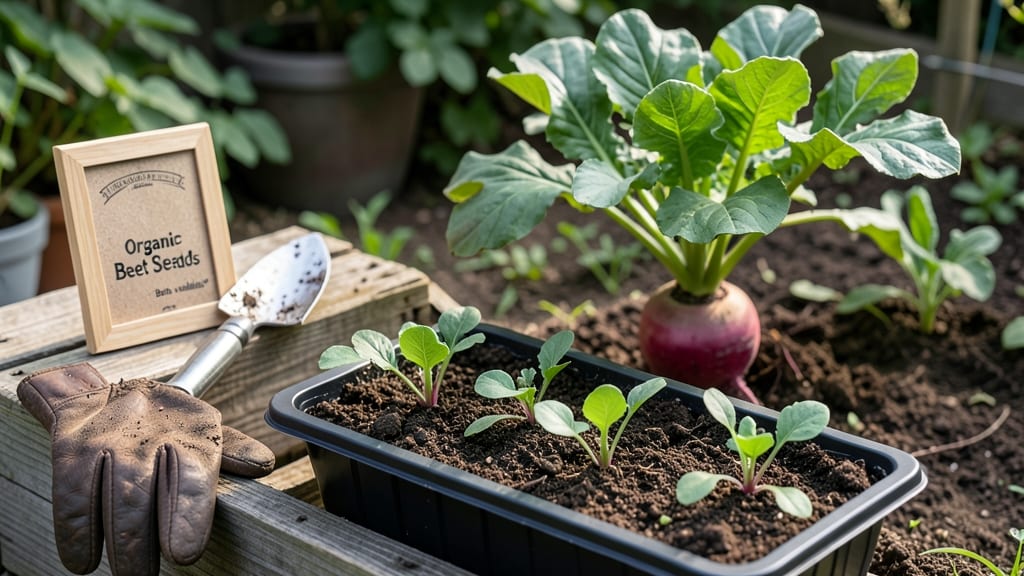
When to plant beets in Maryland can mean the difference between a fast, sweet harvest and a bitter disappointment—especially when frost sneaks in or summer heat turns them tough. With Maryland's 7a-7b zones, you've got two prime windows to plant 🍠 for perfect results: early spring and late summer.
Most gardeners swear by March or April for their first planting, when soil warms just enough to encourage quick germination. But here's the secret: late summer plantings in August can give you a second harvest before frost hits in November.
The key is knowing exactly when to start seeds so they mature before temperatures drop.
I've tested these windows myself, and the difference in texture and flavor is night and day. Too early? Frost stunts growth. Too late? Beets bolt or become woody. Let me show you the exact schedule that works for Maryland's climate—so you can enjoy homegrown beets all season long.
Ready to avoid common mistakes and maximize your yield? We'll cover soil prep, frost dates, and even how to stretch your harvest with smart planting tricks. Your garden will thank you!
Maryland’s frost-free zones: best planting months for beets by region
Maryland’s diverse climate zones mean your beet planting schedule should shift depending on whether you’re in Baltimore’s coastal 7a-7b or Frederick’s inland 6a-6b. The key is planting when soil temperatures hit 45°F (7°C)—beets won’t germinate in cold soil, and late plantings risk bolting from summer heat.
Let’s break down the ideal windows for each region.
For coastal Maryland (7a-7b), like Baltimore and Annapolis, your last frost date averages March 15, giving you a longer spring window. Inland areas (6a-6b) face later frosts—sometimes April 1—so adjust your timing accordingly.
Both regions can also plant late summer beets for fall harvests, but timing is critical to avoid woody roots.
Here’s how to match your planting schedule to Maryland’s microclimates for maximum success:
| Region | USDA Zone | Spring Planting Window | Late Summer Planting Window | Key Risk |
|---|---|---|---|---|
| Coastal (Baltimore, Annapolis) | 7a-7b | March 15–April 15 | August 1–August 15 | Late frost |
| Inland (Frederick, Hagerstown) | 6a-6b | April 1–April 30 | July 30–August 10 | Summer heat |
Pro Tip: Use row covers for early spring plantings in 6a-6b zones to protect seedlings from late frosts.
If you’re in Zone 7a-7b, start seeds indoors by February 15 for an early transplant advantage. For Zone 6a-6b, wait until mid-April to avoid frost damage. Both regions should aim to harvest spring beets by late June before the heat sets in.
For fall harvests, plant 8–10 weeks before your first frost (typically November 15). Inland areas can push this to early September, while coastal gardeners should plant by mid-August to avoid summer stress. Use shade cloth if planting in July to prevent bolting.
Maryland’s humidity and pests (like leaf miners) also play a role. Coastal areas may need better airflow to reduce fungal diseases, while inland gardens should prioritize mulching to retain moisture during dry spells. Adjust your schedule based on these local factors for the best results.
Remember: Soil temperature matters more than air temperature. Use a soil thermometer to confirm 45°F (7°C) before planting—cold soil delays germination. For fastest harvests, aim to plant when daytime highs are consistently above 60°F (15°C).
For continuous harvests, stagger plantings every 2–3 weeks from March to August. This ensures you’re always pulling fresh beets while avoiding overcrowding or nutrient depletion in the soil. Start small—try one row every week to test what works best in your microclimate.
🌱
How to extend beet harvests in Maryland: succession planting tips
Maryland’s short growing season doesn’t have to limit your beet harvests! By using succession planting, you can enjoy fresh beets from early summer through fall. The trick is spacing out plantings every 2-3 weeks to ensure a continuous supply.
I’ve found that starting seeds in late March and continuing through early August keeps my garden producing beets until frost.
Beets thrive in cool weather, so aim for soil temperatures between 50-70°F. Use a soil thermometer to check—if it’s too hot, seeds may fail to germinate. In Maryland’s 7a-7b zones, late summer plantings (August) give you a second harvest just before frost.
This method works especially well for baby beets, which mature faster.
Here’s my proven schedule: plant the first batch in early April, then add new rows every 2-3 weeks until early July. This ensures you’re always harvesting fresh beets while avoiding overcrowding.
For late-season success, plant your final batch in early August—these will mature just in time for fall harvests.
- 🌱 Start with warm soil: Wait until soil reaches 50°F+ (use a thermometer!).
- 📅 Plant in batches: Sow seeds every 2-3 weeks for continuous harvests.
- 🌡️ Avoid summer heat: Skip planting when temps exceed 80°F—beets bolt quickly.
- 🌿 Thin seedlings: Keep plants 3-4 inches apart to prevent competition.
- 🍠 Harvest young: Pull baby beets at 1-2 inches for tender roots.
For extra protection in Maryland’s humid summers, use shade cloth (30-50%) over young seedlings. This prevents bolting while keeping soil moist. I’ve also had great success pairing beets with radishes—they mature faster and mark where to thin beets later.
Just avoid planting near pole beans, which can stunt beet growth.
Pro tip: Mark your planting dates on a garden calendar or use colored stakes to track each batch. This helps you rotate crops and avoid soil depletion. With this method, I’ve harvested beets for 4-5 months straight—far longer than a single planting would allow.
Don’t let Maryland’s short season stop you! With smart succession planting, you can enjoy homegrown beets from June through November. Start small, experiment with varieties like ‘Detroit Dark Red’ or ‘Golden’, and watch your harvest stretch all season long. 🌱