
Plants
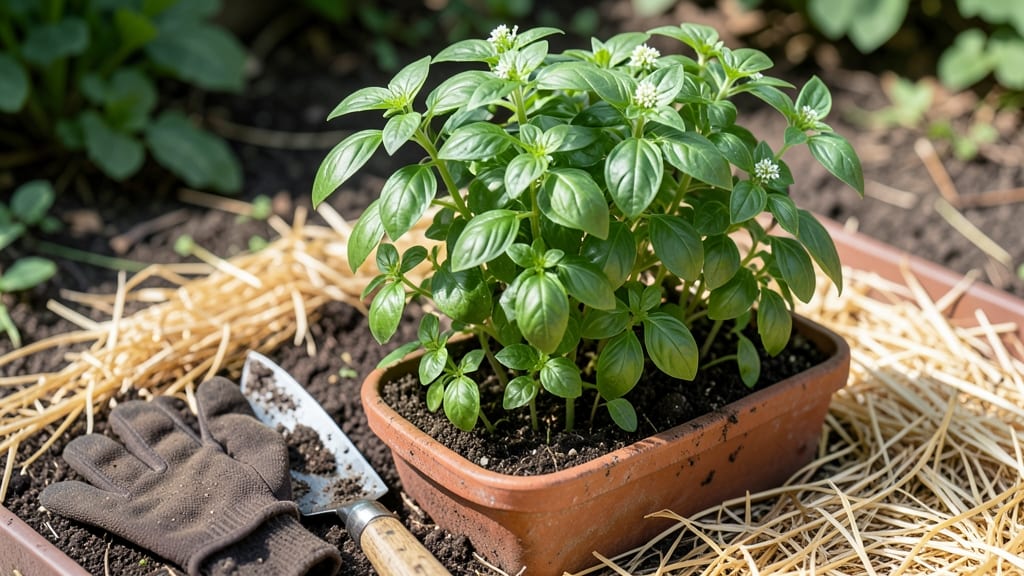
Timing is everything when it comes to growing basil in Oregon—plant too early, and frost will nip your seedlings in the bud. Too late, and you’ll miss the sweet, aromatic leaves that make summer dishes shine.
Oregon’s diverse climate means your neighbors might be harvesting basil while yours still sits in cold soil. Whether you’re in the Willamette Valley or the high desert, knowing the exact window—mid-April to early June—can mean the difference between a thriving 🌿 herb garden and a bitter disappointment.
I’ll break down how to time your basil planting for your specific microclimate, from starting seeds indoors to direct sowing outdoors. You’ll learn when to harden off seedlings, how to protect them from late frosts, and even how to extend your harvest into fall.
With these Oregon-specific tips, you’ll be pinching off fresh basil for pesto, salads, and pasta in no time—no more store-bought herbs when your own garden delivers.
Oregon basil planting zones: USDA vs. microclimate reality
Oregon’s diverse microclimates mean the USDA zone 7-9 guidelines only tell part of the story. Coastal areas like Astoria average 10-14 days later for last frost than Bend in Eastern Oregon. This creates 3-week planting windows that can mean the difference between thriving basil and stunted growth.
For Willamette Valley gardeners (USDA 8a-9a), aim for April 10-20 transplanting—after average last frost dates. High desert regions like Hermiston (USDA 7b) can plant 2 weeks earlier due to faster soil warming. Coastal areas should wait until May 1-15 to avoid chilly ocean winds that stunt seedlings.
Here’s how to adjust your timing based on Oregon’s three key growing regions:
Use Oregon State University’s frost-free date calculator (https://frostfree.oregonstate.edu) for your exact zip code. The tool accounts for urban heat islands (like Portland) that may warm up 5-7 days earlier than rural areas. For container growing, add 2-3 weeks to your planting window since pots warm up more slowly.
If you’re in Zone 7b (eastern Oregon), consider cold-hardy varieties like ‘Spicy Globe’ basil, which tolerates brief chills down to 28°F. In coastal zones, opt for Genovese or Purple Basil—they handle cooler summers better than Sweet Basil varieties.
Pro tip: Test your soil temperature with a soil thermometer—basil roots need soil at 50°F+ to thrive. Coastal gardeners often use black plastic mulch to raise soil temps 5-10°F faster than bare earth. This can shave 1-2 weeks off your planting timeline in chilly microclimates.
Remember: Oregon’s marine layer can create false springs where warm days are followed by 40°F nights. Always check the 7-day forecast for lows below 45°F before planting outdoors. For urban gardeners, balcony planters near south-facing walls may warm up 3-5°F faster than ground-level beds.
For high-altitude areas (like Mount Hood’s lower slopes at 3,000+ ft), plant 3 weeks later than valley regions. The thinner air delays soil warming, and strong UV rays can scorch young seedlings. Use shade cloth (30%) for the first 2 weeks to acclimate plants.
Basil growth stages in Oregon: when to start indoors vs. direct sowing
Oregon’s variable microclimates mean your basil timing depends on whether you’re in the Willamette Valley, coastal areas, or the high desert. I’ll break down the exact weeks to start seeds indoors versus when to sow directly outdoors, so you avoid frost damage and maximize your harvest.
For indoor starts, begin seeds 4-6 weeks before your last frost date. In Zone 7b (Western Oregon), that’s around mid-March, while Zone 9a (Southern Oregon) gardeners can wait until early April. Use grow lights to prevent leggy seedlings—basil needs 12-14 hours of light daily.
🌱 Basil Growth Timeline in Oregon
- 1. Indoor Start: 4-6 weeks before last frost (March 15-April 1)
- 2. Hardening Off: 1 week before transplanting (acclimate to outdoors)
- 3. Transplant Outdoors: After last frost (April 10-May 1)
- 4. Direct Sow: After soil warms to 50°F+ (May 1-June 1)
- 5. First Harvest: 6-8 weeks after transplanting (June-July)
- 6. Peak Harvest: July-August (before flowering)
Direct sowing is riskier in cooler Oregon zones like the coastal areas, where soil may stay chilly until late May. Wait until soil temperatures hit 50°F+—use a soil thermometer to check.
In warmer inland zones, you can start direct sowing as early as mid-April, but cover seedlings with frost cloth if nights dip below 40°F.
Pro tip: Black plastic mulch warms soil 5-10°F faster, letting you plant 2-3 weeks earlier in spring. Lay it down 1-2 weeks before sowing to jumpstart growth in slow-warmed Oregon soils. This is especially helpful for Genovese basil, which thrives in warmer conditions.
If you’re in Zone 9a (Southern Oregon), you can even try a fall planting! Sow seeds late August for a September-October harvest before the first frost. Just protect young plants with row covers if temperatures drop below 55°F at night.
Remember: Basil hates cold stress, so never rush planting. Wait for consistent warmth—your harvest timing depends on it! 🌱