
Plants
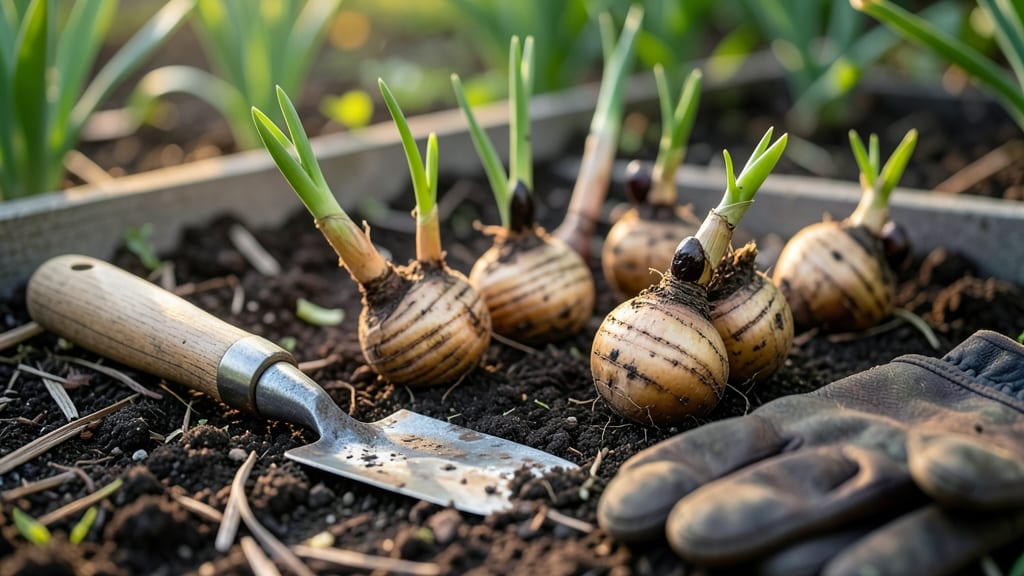
Timing when to plant calla lily bulbs in Zone 6 can make or break your garden’s summer drama—get it wrong, and you’ll end up with floppy leaves instead of showstopping blooms.
The key is planting after the last frost, when soil temperatures hit that sweet 60-65°F range, typically between mid-April and early May in most 6a-6b areas.
Why does this matter? Unlike tropical plants that beg for heat, calla lilies need a head start in warmer soil to establish roots before summer’s intensity. Skipping this step often leads to bulbs rotting or struggling to bloom—something no gardener wants after waiting months for those iconic spathes to emerge.
I’ll walk you through the exact frost-free timeline for Zone 6, plus how to prep your soil for these moisture-loving beauties. Whether you’re a first-time grower or a seasoned pro, these tips will help you avoid common pitfalls and ensure your calla lilies thrive year after year.
Ready to transform your garden? Let’s dive into the perfect planting window and care secrets that’ll have your calla lilies standing tall from July through September.

Zone 6 calla lily planting timeline: exact frost-free & soil temperature rules
Planting calla lily bulbs in Zone 6 requires precise timing to avoid frost damage and ensure strong root establishment. The ideal window is 2-3 weeks after your last expected frost date, typically mid-April to early May in most Zone 6 regions.
This timing aligns with soil temperatures reaching 60-65°F, which triggers active growth.
For Zone 6a (colder microclimates), aim for late April to early May—waiting until soil warms prevents bulb rot. In Zone 6b (warmer microclimates), you can plant as early as mid-April, but monitor nighttime temperatures for unexpected frosts.
Use a soil thermometer to confirm readiness. If your soil hasn’t warmed to 60°F by late April, delay planting until early May. Rushing too early risks frost damage to emerging shoots, which can kill young plants before they establish.
Avoid planting in February or March—even if your garden seems warm, cold snaps are common in Zone 6. These early plantings often result in stunted growth or bulb rot from soggy, cold soil. Patience pays off for healthier, more vigorous blooms later in the season.
🌱 Calla Lily Planting Timeline for Zone 6
| Stage | Action | Zone 6 Timing |
|---|---|---|
| Soil Prep | Amend soil with compost | March-April |
| Planting Window | Plant rhizomes 4-6" deep | Mid-April to early May |
| Frost Watch | Avoid planting before last frost | After April 15 (Zone 6a) |
| Bloom Time | Enjoy flowers July-September | 120-150 days after planting |
| Overwintering | Cut back foliage, mulch | October-November |
✅ Pro Tip: Use black plastic mulch to warm soil faster in early spring.
If you’re unsure about your last frost date, check your local USDA Plant Hardiness Zone Map or use a frost calendar from your county extension office. For example, Chicago (Zone 6a) typically sees its last frost around April 20, while Raleigh (Zone 6b) averages April 5—plant accordingly.
For gardeners in Zone 6 with unpredictable springs, consider using row covers if you plant early. These lightweight fabrics protect young shoots from late frosts (below 32°F) while allowing sunlight to penetrate. Remove covers once nighttime temperatures stay above 50°F consistently.
Remember, calla lilies are not frost-hardy—even established plants can suffer damage if temperatures drop below 20°F. In Zone 6, this means overwintering care is essential for perennial growth. Cut back foliage in late fall and apply 3-4 inches of mulch to protect rhizomes.
By following these soil temperature and frost-free guidelines, your calla lilies will establish strong roots before summer heat arrives, ensuring longer blooming seasons and healthier plants year after year.
🌸
Zone 6 calla lily planting timeline: exact frost-free & soil temperature rules
In Zone 6, timing is everything when planting calla lily bulbs. These stunning plants thrive when soil temperatures reach 60-65°F, signaling the ground is warm enough for root growth.
Since Zone 6's last frost typically arrives between mid-April and early May, aim to plant 2-3 weeks after your local frost date for best results.
Calla lilies are tender perennials in Zone 6, meaning they’ll die back in winter but can often return if bulbs survive. However, late spring plantings risk stunted growth, while early plantings may see bulbs sprout too soon and get frost damage.
Balance is key—wait for consistent daytime temps above 50°F before planting.
🌱 Zone 6 Calla Lily Planting Timeline
| Stage | Action | Soil Temp |
|---|---|---|
| Pre-Planting | Test soil moisture; amend if needed | 45-50°F |
| Planting Window | Plant rhizomes 4-6" deep, 4-6" apart | 60-65°F |
| Post-Planting | Water deeply; mulch to retain moisture | 65°F+ |
| First Frost Risk | Cover plants if temps drop below 30°F | Below 50°F |
For Zone 6a (colder microclimates), push planting to late May to avoid early frosts. In Zone 6b, you can start as early as mid-April if soil warms quickly. Use a soil thermometer to confirm readiness—planting too early in cold soil leads to rot, while waiting too long delays blooms.
Pro tip: If your spring is unpredictable, start calla lilies indoors 4-6 weeks before your last frost date. Use small pots with well-draining mix and transplant outdoors once soil warms. This head start gives them a competitive edge in Zone 6’s shorter growing season.
Remember, calla lilies are not fully winter-hardy in Zone 6. While some bulbs may survive mild winters, most gardeners treat them as annuals or lift-and-store perennials. Plan to dig up rhizomes before first frost (mid-October) and store them in dry peat moss until next spring.
By following these Zone 6-specific rules, you’ll ensure your calla lilies establish strong roots, produce lush foliage, and reward you with dramatic summer blooms—without the risk of frost damage or wasted bulbs. 🌸