
Plants
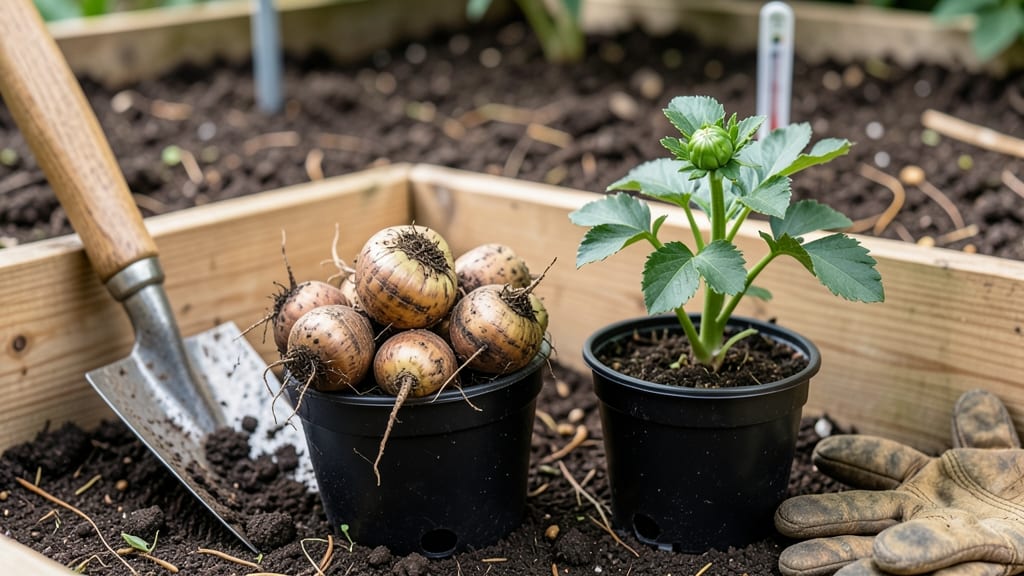
Timing your dahlia planting in Kansas isn’t just about waiting for warm weather—it’s about catching that sweet spot when soil temperatures and frost risks align perfectly for bloom success. Miss the window, and you’re staring at wilted tubers or stunted growth, even if the air feels spring-like.
The key? Understanding your local frost dates and soil warmth triggers, which can vary dramatically between Kansas City and Wichita.
Most gardeners in zones 5b-7a aim to plant dahlias 🌻 between April 15 and May 15, but that’s just the starting point. The real magic happens when soil hits 60°F—that’s your green light to get those tubers in the ground.
Without this check, even the hardiest varieties can struggle, especially in Kansas’ unpredictable spring swings.
Here’s the game-changer: starting dahlias indoors 4-6 weeks before your last frost date (usually around April 15) gives them a head start. But rushing them outside too soon? That’s how you end up with frost-nipped leaves.
I’ll walk you through the exact soil temperature tests, regional adjustments, and post-planting care to keep your dahlias thriving from July through October.
Whether you’re a first-time gardener or a veteran Kansas grower, these insights will help you avoid common pitfalls—like planting too early or ignoring mulch—and ensure your dahlias put on a show instead of a sad, stunted display. Let’s get those tubers in the ground the right way.
Kansas soil temperature guidelines for planting dahlias (with exact dates)
In Kansas, the soil temperature is your most reliable guide for planting dahlias 🌻—not the air temperature or calendar date. Dahlias thrive when soil reaches a steady 60°F, which typically happens between April 15 and May 15, depending on your region.
Eastern Kansas (like Kansas City) often hits this mark earlier than western areas (such as Garden City), where cooler nights can delay warming.
Using a soil thermometer is non-negotiable. Stick it 2-3 inches deep in your garden bed in the morning (before sun exposure skews readings). If the temperature consistently stays above 60°F for 3-5 days, it’s time to plant.
Ignoring this rule is how you end up with frost-damaged tubers or stunted growth, even if the forecast promises sunshine.
Kansas’ last average frost date hovers around April 15, but soil warmth lags behind air temperature. For example, in Wichita (Zone 7a), soil may still be chilly in early April, while Topeka (Zone 6a) could be ready by late April.
Always plant after your last frost date to avoid cold snaps.
Pro tip: Start tubers indoors 4-6 weeks before your target outdoor planting date. Use seed-starting mix in pots and place them under grow lights (12-14 hours/day) to jumpstart growth. This head start compensates for Kansas’ unpredictable spring weather swings.
| Region | Avg. Last Frost | Soil Temp Ready | Planting Window |
|---|---|---|---|
| Kansas City (Zone 6a) | April 15 | Late April | April 25 - May 10 |
| Wichita (Zone 7a) | April 10 | Early April | April 15 - April 30 |
| Garden City (Zone 6b) | April 20 | Mid-May | May 1 - May 15 |
*Soil temp data based on 30-year averages (USDA/NOAA).
If you’re planting in containers, soil warms up faster than in-ground beds. Use black pots to absorb heat, and place them in the sunniest spot of your garden. Containers also dry out quicker, so monitor moisture levels closely—dahlias in pots need daily watering once established.
For drought-prone areas like western Kansas, mulch heavily (3-4 inches of straw or shredded leaves) to retain moisture and regulate soil temperature. This mimics the cooler, moister conditions dahlias prefer, especially during Kansas’ hot, dry summers.
Remember: Dahlias are tender perennials, meaning they die back in frost. In Kansas, dig up tubers before the first frost (usually mid-October) and store them in a cool, dark place (like a basement) for next year.
Label varieties to avoid confusion—some dahlias, like ‘Café au Lait’, are prized for their unique cream-and-pink blooms!
Once planted, stake tall varieties (like ‘Thomas Edison’) immediately to prevent flopping in Kansas’ windy conditions. Use tomato cages or bamboo stakes for support, and mulch around the base to suppress weeds and conserve water.
Your dahlias will reward you with vibrant blooms from July through October, but only if you nail the planting timing. Next, we’ll cover 5 signs your garden is truly ready—beyond soil temperature—to ensure your dahlias thrive all season long. 🌱
Kansas soil temperature guidelines for planting dahlias (with exact dates)
Planting dahlias in Kansas hinges on two critical factors: soil temperature and last frost dates. While most gardeners focus on air temperature, dahlias need warm soil—specifically 60°F or above—to thrive.
Cold soil slows root growth, leaving your plants vulnerable to disease and stunted blooms. In Kansas, where spring can swing from freezing to 80°F in weeks, this precision matters more than ever.
For most of Kansas (zones 5b-7a), the last frost date typically falls around April 15, but soil warms more slowly. Western Kansas (like Garden City) may need to wait until May 1, while eastern areas (like Kansas City) can plant slightly earlier.
Always verify your local frost dates using the National Weather Service or Almanac tools.
A soil thermometer is your best friend here. Stick it 4-6 inches deep (where dahlias’ tubers will sit) and check readings in the morning. If it’s consistently 60°F+ for 3-5 days, your garden is ready. Pro tip: Morning soil temps are 2-3°F cooler than afternoon readings—plan accordingly.
🌱 Kansas Dahlia Planting Timeline
| Region | Last Frost Date | Ideal Planting Window | Soil Temp Threshold |
|---|---|---|---|
| Eastern KS (Kansas City) | April 10-15 | April 20 - May 5 | 60°F+ |
| Central KS (Topeka) | April 15-20 | April 25 - May 10 | 60°F+ |
| Western KS (Wichita) | April 20-25 | May 1 - May 15 | 60°F+ |
*Adjust for microclimates: Low areas stay colder longer; slopes warm faster.
If you’re starting dahlias indoors (a smart move for early blooms), begin 4-6 weeks before your last frost date. Use seed-starting mix and keep temps at 70°F during the day. Harden off seedlings for 7-10 days before transplanting—this toughens them up for Kansas’ windy springs.
Once planted, mulch with 2-3 inches of straw to lock in soil warmth and retain moisture. This is especially critical in western Kansas, where drought and high winds can stress young plants. Water deeply 1-2 times per week until established, then adjust for summer heat.
Remember: Dahlias in Kansas reward patience. Rushing them into cold soil guarantees disappointment, but hitting that 60°F soil temp window? You’ll be cutting vibrant blooms by July. Mark your calendar, grab that soil thermometer, and let’s get those tubers growing!