
Plants
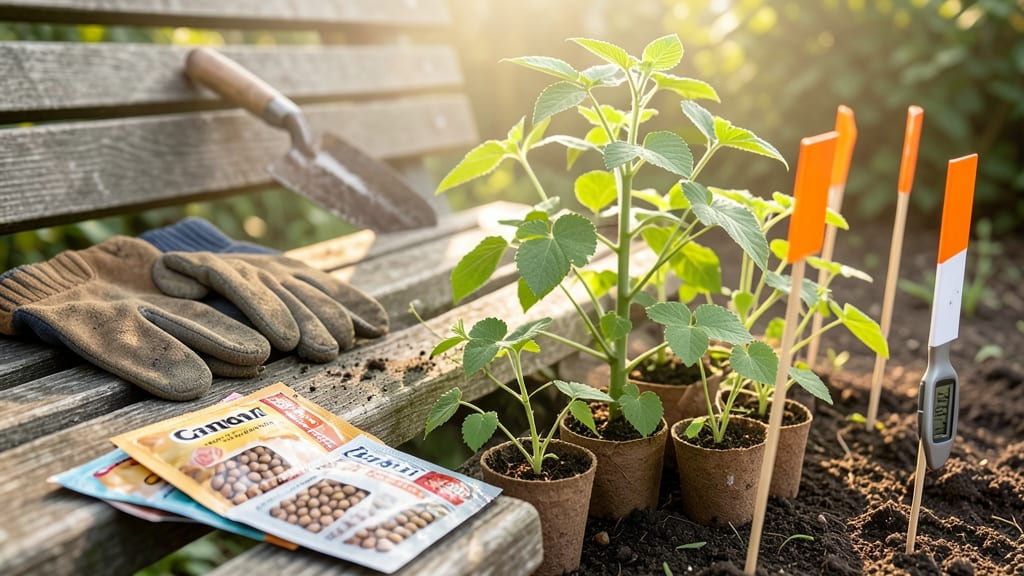
Timing is everything when it comes to growing beans in Zone 6—plant too early, and you risk stunted growth or even failed germination. The key to a bountiful harvest lies in understanding the exact window when soil temperatures and frost risks align perfectly for your 🌱 beans to thrive.
For Zone 6 gardeners, the optimal planting window typically opens after your last frost date, usually between mid-April and early May. But here’s the catch: waiting for soil to warm to at least 60°F is just as critical as dodging late frosts.
Get this wrong, and your beans might take weeks to germinate—or worse, never sprout at all.
I’ve tested the best strategies for faster germination in Zone 6’s unpredictable spring, from soil warming tricks to choosing the right varieties.
Whether you’re growing bush beans for quick harvests or pole beans for a longer season, these tips will help you avoid common pitfalls and get your plants off to a fast start.
Ready to skip the guesswork? Let’s break down the precise dates, soil prep secrets, and even how elevation differences in Zone 6 can shift your planting schedule. Your next bean harvest could be the easiest—and most productive—yet!

Optimal planting dates for beans in Zone 6 (with germination timing)
Beans thrive in Zone 6 when planted after the last frost date, but timing is everything—especially since cool soil can delay germination by 10-14 days. The ideal window is mid-April to early May, when soil temperatures consistently reach 60°F and nighttime frosts are rare.
This ensures your beans sprout quickly and avoid the rot risk from damp, chilly conditions.
For bush beans, which mature faster (50-60 days), aim for early May planting to harvest before summer heat sets in. Pole beans, which take 60-70 days to produce, can handle a slightly later start—early to mid-May—since their vines tolerate warmer weather better.
Heirloom varieties often need the extra warmth, so plan accordingly.
🌱Pro Tip: Use a soil thermometer to confirm readiness. If temps dip below 55°F, germination slows dramatically, and seeds may rot. Zone 6’s spring can be unpredictable, so monitor forecasts for late frosts (common until mid-May in many areas).
| Variety | Best Planting Window | Soil Temp Requirement | Germination Time | Harvest Window |
|---|---|---|---|---|
| Bush Beans (e.g., Blue Lake) | Early May | 60°F+ | 7-10 days | July-August |
| Pole Beans (e.g., Kentucky Wonder) | Mid-May | 60°F+ | 10-14 days | August-September |
| Heirloom Beans (e.g., Jacob’s Cattle) | Late May | 65°F+ | 12-16 days | Late August |
If you’re in a higher-elevation Zone 6a (e.g., Colorado, upstate New York), wait until late May—cooler nights delay soil warming. For lower-elevation Zone 6b (e.g., Virginia, Missouri), early May is ideal. Always check your local last-frost averages (available via Almanac.com) and adjust by 2-3 weeks for safety.
For a second harvest, try a late-summer planting in early July. Choose heat-tolerant varieties like Black Valentine or Contender, which handle Zone 6’s summer heat better. Just ensure soil stays moist but not soggy—drought stress reduces yields.
🌿Key Reminder: Beans hate cold soil. Even if air temps warm, underground conditions may still be below 55°F. Use black plastic mulch or straw covers to warm soil faster if needed. This trick can shave 5-7 days off germination time!
Finally, succession planting every 2 weeks after your initial date keeps your harvest stretching into early fall. Zone 6’s growing season is short—don’t miss out on a continuous supply by planting all at once. Aim for 3-4 plantings total for maximum beans!
☀️Sunlight Check: Beans need 6+ hours of full sun daily. If your garden spot gets afternoon shade, opt for bush beans, which tolerate partial shade better than pole varieties. Test your spot with a sunlight tracker for 2 weeks before planting.
How to adjust planting for faster germination in Zone 6’s unpredictable spring
Zone 6’s spring can be a gambling game for bean germination—cool soils and late frosts often delay sprouting. But with the right tricks, you can speed up the process by 2-3 weeks, ensuring your beans pop up when they should.
The key? Warming the soil and creating ideal conditions before planting.
First, check your soil temperature with a soil thermometer. Beans need 60°F+ soil to germinate reliably. If it’s cooler, try these proven methods to jumpstart growth without risking frost damage.
Lay it down 1-2 weeks before planting to raise soil temps by 5-10°F.
Sow seeds in damp paper towels 3-5 days before outdoor planting for a head start.
Wait for a 3-day stretch above 70°F to ensure consistent germination.
Try 'Blue Lake' or 'Kentucky Wonder'—they sprout in 5-7 days vs. 10+.
Their roots warm the soil and deter pests like Mexican bean beetles.
Another trick? Plant in raised beds. They warm up 2-3 weeks faster than in-ground soil, giving your beans a critical edge. Just be sure to use well-draining soil—beans hate soggy roots.
If you’re in higher elevations within Zone 6 (like the mountains), push planting back by 1-2 weeks. Cooler nights delay germination, so monitor your local microclimate—a shaded spot may need adjustments.
Finally, avoid overwatering after planting. Keep soil moist but not soggy—beans need consistent moisture, not drowning. A light mulch layer helps retain warmth and humidity.
With these adjustments, your beans will sprout in half the time and give you a longer harvest window—even in Zone 6’s fickle spring. 🌱