
Plants
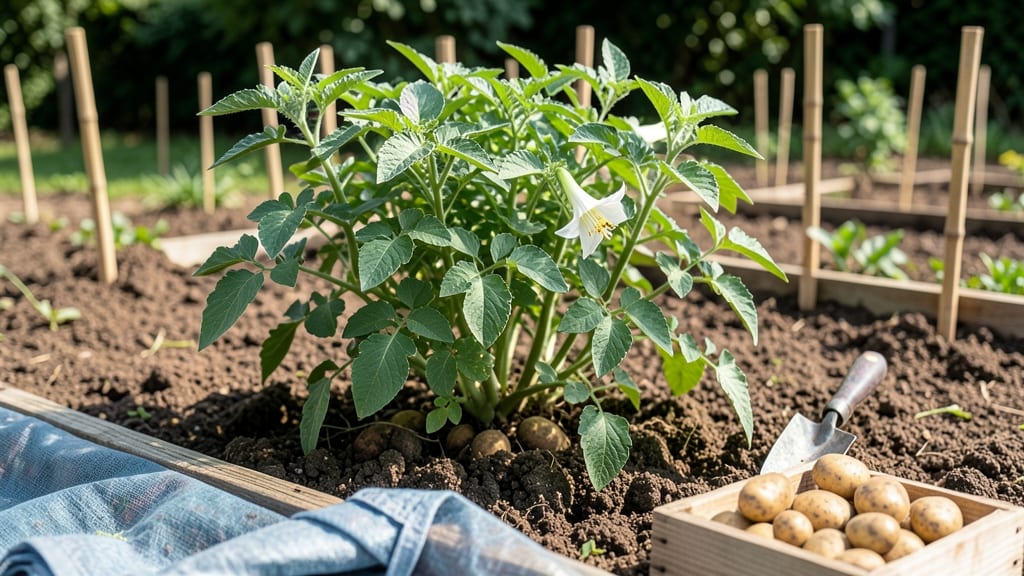
When do you plant the potatoes in Oregon isn't just about the calendar—it's about dodging the dreaded late spring frosts that can turn your crop into a sad, wilted memory.
Whether you're in the Willamette Valley's mild climate or the high desert's unpredictable swings, getting those seed potatoes in the ground at the right moment makes all the difference between a bountiful harvest and a disappointing flop.
I've seen firsthand how a two-week difference in planting can mean the difference between flourishing Russet Burbanks and struggling tubers. The key? Understanding your microclimate's last frost date and soil temperature trends.
For most of Oregon, that means starting as early as mid-March in protected areas to mid-April in cooler zones like the coast.
But here's the catch: not all potatoes thrive on the same schedule. Early varieties like Yukon Gold need that spring planting window to mature before summer heat sets in, while late varieties can handle a fall planting push for a second harvest.
Let me show you exactly how to match your variety to your region's unique growing conditions.
Ready to stop guessing and start growing? I'll walk you through the precise planting windows for Oregon's three main zones, plus how to adjust for your specific soil and weather patterns.
Your best potato harvest starts with the right timing—and I've got the local expertise to help you get it right.
Oregon potato planting dates by microclimate: coastal vs. Valley vs. high desert
Oregon’s potato planting success hinges on understanding your microclimate. The coastal region’s damp chill contrasts sharply with the Willamette Valley’s mild springs and the high desert’s rapid warming. Each zone demands a tailored approach to avoid blight, stunted tubers, or wasted seed potatoes.
I’ve grown potatoes across all three zones, and the difference in timing is critical. For example, planting Russet Burbank in Medford’s high desert in early April yields massive harvests, while the same variety planted in Astoria’s coastal fog at that time risks rot.
Let’s break down the exact windows for each zone.
🌱 Key Rule: Plant seed potatoes when soil reaches 45°F (7°C) and 2-4 weeks before last frost. Use this comparison table to find your zone’s ideal dates.
| Zone | Last Frost Date | Ideal Planting Window | Soil Temp Goal | Best Varieties |
|---|---|---|---|---|
| Coastal (Astoria, Cannon Beach) | Late April - Early May | March 15 - April 15 | 45-50°F (7-10°C) | Yukon Gold, Red LaSoda |
| Willamette Valley (Portland, Eugene) | Mid-April - Late April | February 28 - March 31 | 45-55°F (7-13°C) | Russet Burbank, Fingerling |
| High Desert (Bend, Pendleton) | Mid-May | April 1 - April 15 | 50-55°F (10-13°C) | Kennebec, Purple Viking |
In the coastal zone, persistent fog delays soil warming, so I recommend starting seed potatoes indoors in late February for a head start. Use biodegradable pots to transplant later without disturbing roots.
For the Willamette Valley, aim for late February to March planting. This gives tubers time to establish before spring rains taper off. I’ve found that raised beds improve drainage and reduce late blight risk in this humid zone.
The high desert presents a different challenge: rapid temperature swings. Plant early-maturing varieties by April 1 to avoid summer heat stress. I’ve had success with drip irrigation to maintain even moisture without overwatering.
Oregon’s fall planting window (late August) works best in the high desert and southern Willamette Valley. Coastal areas are too cold by then. For fall crops, choose fast-maturing varieties like Red Norland to harvest before first frost.
Always check your local USDA Plant Hardiness Zone and Oregon State University Extension frost maps for precise dates. A 5°F difference in soil temperature can mean the difference between rot and thriving tubers.
🌱 Remember: Soil temperature matters more than air temperature. Use a soil thermometer to confirm readiness before planting.
How to adjust planting dates for early vs. late varieties in Oregon’s climate
Oregon’s unpredictable weather—from sudden frost to scorching summers—means timing matters for your potato varieties. Early-maturing types like Yukon Gold need a jumpstart, while late-maturing Russet Burbank potatoes thrive with extra growing time. Let’s break down the best planting windows for each type.
For early varieties (60–90 days to maturity), I plant 4–6 weeks before the last frost in my area. In the Willamette Valley, that’s mid-March to early April. These potatoes are perfect for spring harvests and can even handle light frost, making them ideal for Oregon’s cooler zones.
Late-maturing varieties (90–120 days) like Russet Burbank need a longer season. I plant these late April to early May in the valley, ensuring they mature before fall frosts hit in October. In high-desert regions, I push planting to mid-May to avoid early heat stress.
🌱 Pro Tip: Use row covers or cold frames to extend the season for late varieties. I’ve added these to my Russet Burbank beds in early spring, giving them a head start before removing covers in late May.
📋 Planting Guide for Oregon Potato Varieties
-
Early Varieties (Yukon Gold, Red Pontiac)
Plant: Mid-March to early April
Harvest: June to early July
Best for: Cool coastal areas, early spring harvests -
Mid-Season (Kennebec, Fingerling)
Plant: Late March to early May
Harvest: July to August
Best for: Willamette Valley, versatile use -
Late Varieties (Russet Burbank, Katahdin)
Plant: Late April to mid-May
Harvest: September to October
Best for: Longer growing seasons, high-desert areas
⚠️ Note: Adjust dates 1–2 weeks earlier for coastal areas and 1–2 weeks later for high desert.
If you’re unsure about your local frost dates, check the Oregon State University Extension Service for your specific county. I’ve found their frost-free date maps invaluable for fine-tuning my planting schedule.
For fall planting, I focus on early-maturing varieties planted in late August to mid-September. These potatoes mature before the first frost, giving you a second harvest. Just ensure your soil stays above 45°F for optimal tuber growth.
🌿 Remember: Always chit your seed potatoes (sprout them indoors) 4–6 weeks before planting. This gives them a head start and helps them establish faster in Oregon’s cool soils.