
Planting
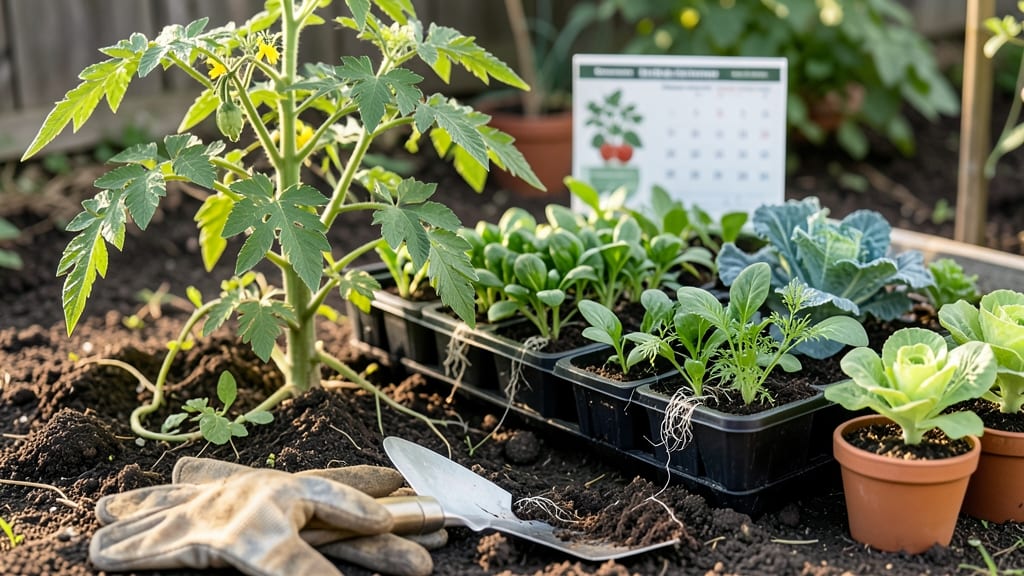
Timing your Ohio garden planting can feel like navigating a puzzle—one wrong move, and your hard work might not pay off.
With frost dates shifting unpredictably and USDA Zone 6a bringing its own quirks, knowing exactly when to start seeds or transplant seedlings is the difference between a thriving harvest and wasted effort.
For Ohio gardeners, the ideal planting window stretches from early spring to early summer, but the key lies in waiting for soil temperatures to warm and the last frost to pass—typically around mid-April.
Whether you're sowing cool-season crops like peas or waiting for warm-weather favorites like tomatoes, getting the timing right means healthier plants and a longer growing season.
In this guide, I’ll break down the exact dates for planting everything from vegetables and flowers to perennials, tailored to Ohio’s climate. You’ll learn how to adjust for late frosts, microclimates, and even last-minute planting opportunities—so you can make the most of every growing season.
Ready to transform your garden from a guess into a guaranteed success? Let’s get started with the perfect planting schedule for your Ohio plot.
Ohio planting calendar by crop type: exact dates for success
Ohio’s USDA Zones 5-6 mean gardeners must work with a short growing season (about 165 frost-free days). The last average frost date is typically mid-April, but this varies by county—northern Ohio may see frost until May 1, while southern Ohio can plant 2 weeks earlier.
Understanding these planting windows ensures your vegetables, flowers, and perennials thrive.
For Ohio gardeners, success starts with soil temperature. Most seeds need soil at at least 60°F to germinate, while warm-season crops like tomatoes and peppers require 70°F+.
Use a soil thermometer to check—cool, wet springs can delay planting until late May for heat-loving plants. Cool-season crops like lettuce and peas, however, can handle 40-50°F soil and often go in as early as March under row covers.
| Crop Type | Planting Window | Key Notes |
|---|---|---|
| Cool-Season Veggies | March 1 - April 15 | Lettuce, spinach, peas, broccoli. Direct sow early or start indoors in Feb. |
| Warm-Season Veggies | May 1 - June 15 | Tomatoes, peppers, beans, corn. Wait for soil warmth and no frost risk. |
| Perennials & Shrubs | April 1 - May 15 | Daylilies, hostas, lavender. Plant after last frost for root establishment. |
| Bulbs (Spring Blooms) | September - October | Tulips, daffodils. Plant in fall for next spring’s flowers. |
| Fall Crops | July 15 - August 15 | Kale, carrots, radishes. Extend season with row covers. |
Ohio’s microclimates play a huge role in timing. Urban areas like Columbus or Cincinnati often warm up 1-2 weeks earlier than rural northeast Ohio. Check your local frost dates using the Old Farmer’s Almanac or NOAA for precision.
For example, Toledo’s last frost averages April 5, while Akron’s can linger until May 1.
Succession planting is a game-changer for Ohio’s short season. Instead of planting all your lettuce or beans at once, stagger seeds every 2 weeks from March through June.
This ensures a continuous harvest and reduces waste. For instance, plant bush beans every 10 days from May 15 to June 15 to enjoy fresh pods all summer.
Herbs like basil and cilantro are finicky in Ohio’s heat. Start basil indoors in March and transplant after May 15 when nights stay above 50°F. Cilantro bolts quickly in summer—plant it in early spring or late summer for the best results.
Meanwhile, perennial herbs like rosemary and thyme can go in anytime after frost and thrive for years.
Don’t overlook fall planting! Ohio’s second growing season (July–October) is perfect for cool-loving crops. Direct-sow spinach and kale in early August for harvests before first frost (mid-October).
Use black plastic mulch to warm soil for late-season tomatoes planted in July—this can extend harvests until October 1.
For container gardening, Ohio’s short season works in your favor. Containers warm up faster than soil, letting you plant warm-season crops like peppers 2 weeks earlier.
Just ensure pots have drainage holes and use lightweight potting mix to prevent overheating. Move containers to sheltered spots if a late frost threatens.
Pro tip: Keep a gardening journal to track your Ohio planting dates. Note when seeds germinate, plants mature, and harvests occur. Over time, you’ll spot patterns—like whether your tomatoes ripen faster in 2023 vs. 2022—and adjust future plantings for peak success. 🌱
How to adjust planting dates for Ohio’s unpredictable weather
Ohio’s last frost date typically lands around mid-April, but don’t let that fool you—late frosts can still sneak in, especially in northern Ohio. I’ve learned the hard way that planting too early means risking frost damage, while waiting too long can shorten your growing season.
The key is flexibility: adjust your planting timeline based on soil temperature, weather forecasts, and your specific microclimate.
Start by monitoring soil temperatures—most seeds need soil that’s at least 60°F to germinate properly. Use a soil thermometer or check online tools like the Old Farmer’s Almanac for local updates.
If your soil is cold but your neighbors are planting, consider using row covers or a cold frame to create a warmer microclimate for delicate seedlings.
Ohio’s late spring frosts can hit as late as May 10 in some areas. Protect tender plants like tomatoes and peppers with frost cloths or move potted plants indoors during cold snaps. If frost is forecasted, cover plants with blankets or cardboard to insulate them overnight.
For warm-season crops like beans, cucumbers, and squash, wait until after Memorial Day to plant—this gives the soil time to warm up and reduces the risk of blossom-end rot in tomatoes.
Meanwhile, cool-season crops like spinach, kale, and peas can handle cooler temps and should go in as early as late March under row covers. Succession planting is your best friend here: sow lettuce every 2 weeks from April to July for a continuous harvest.
If you’re in southern Ohio, you might have a slightly longer growing season, but don’t push your luck—first frost can arrive as early as October 15.
Plan your fall crops like kale and radishes accordingly, aiming to plant them by mid-August so they mature before winter sets in. For perennials, like asparagus or rhubarb, plant crowns in early spring or early fall to give roots time to establish before dormancy.
Pro tip: Keep a gardening journal to track your local frost dates and planting successes. Over time, you’ll spot patterns—like that year your zucchini thrived when planted on June 1 but failed when started May 20. Adjust your schedule each year based on what works for your specific yard.
Remember, Ohio’s weather is unpredictable, but with these strategies, you’ll maximize your garden’s potential. Start with cold-hardy crops, use protective coverings when needed, and always have a backup plan for late frosts. Your future harvest will thank you! 🌱