
Plants
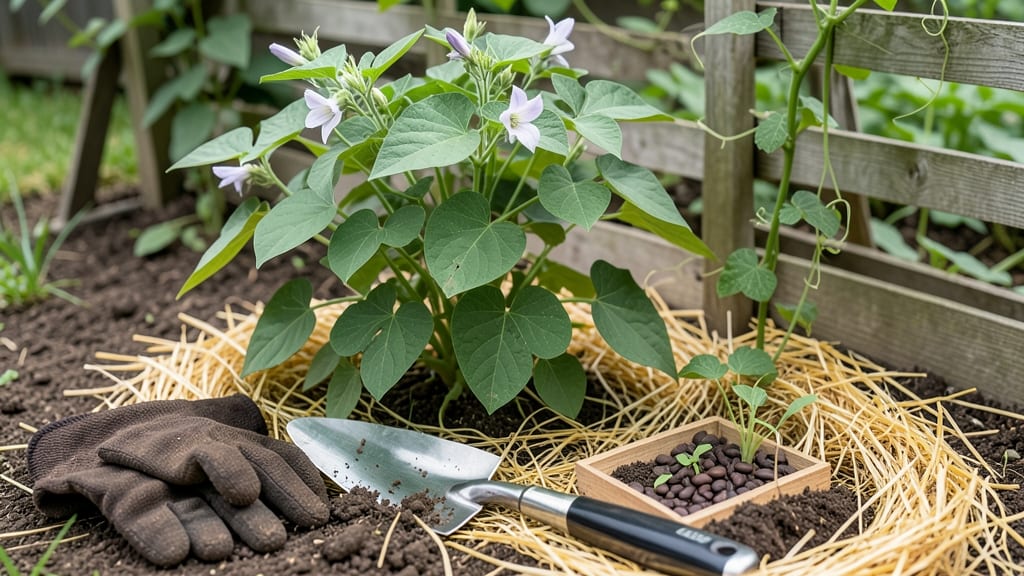
Timing your 🌱 beans planting in North Carolina could mean the difference between a thriving garden and a wasted season—because those 60-80 days to harvest fly by faster than you think.
Most gardeners in NC’s 6b-8a zones wait until mid-April to early July for spring plantings, but the exact window depends on your region’s last frost date—whether it’s March 15 in the southern coast or April 15 in the Piedmont.
Here’s the game-changer: Planting too early risks frost damage, while waiting too long cuts your harvest short. I’ll break down the exact weeks before last frost for each NC zone, plus soil prep secrets to get your beans off to a running start.
Ready to turn your garden into a bean bonanza? Let’s make sure your timing is spot-on—because in NC’s climate, every day counts.
North Carolina bean planting zones: exact weeks before last frost by region
North Carolina’s diverse climate means your bean planting timeline depends heavily on your specific USDA zone and last frost date. The state spans from Zone 7b (Coastal Plain) to Zone 8a (Mountains), creating distinct windows for planting.
For most gardeners, beans thrive when planted 2-4 weeks after the last frost—once soil temperatures hit 60°F.
In Coastal NC (Zones 7b-8a), you can start as early as mid-March, while Piedmont (Zone 7a) waits until late March to early April.
Mountain regions (Zone 6b) should hold off until mid-April to avoid frost damage. Always check local NC State Extension resources for precise dates.
Here’s a quick breakdown of planting windows by region, including frost-free periods and ideal soil temps:
| Region | USDA Zone | Last Frost Date | Planting Window | Soil Temp | Frost-Free Days |
|---|---|---|---|---|---|
| Coastal Plain | 7b-8a | March 15 | Mid-March to early May | 60°F+ | 220+ days |
| Piedmont | 7a | April 1 | Late March to early April | 60°F+ | 180-200 days |
| Mountains | 6b | April 15 | Mid-April to early May | 60°F+ | 150-170 days |
For fall planting, aim for late July to early September—giving beans enough time to mature before the first frost (typically mid-October). In Zone 8a, you might even squeeze in a second crop by planting late August.
Pro tip: Use black plastic mulch to warm soil faster in cooler zones, or opt for cold-tolerant varieties like Contender or Kentucky Wonder if you’re pushing early planting. Always test soil temps with a soil thermometer—beans won’t germinate below 55°F.
If you’re in Zone 7a or higher, you can also try succession planting every 2 weeks from April to June for a continuous harvest. Just ensure each batch gets 6-8 hours of sun and well-draining soil to prevent rot.
One common mistake? Planting too early in Piedmont or Mountains and risking frost damage. Wait until nighttime temps stay above 50°F consistently. For extra protection, use row covers if temps dip unexpectedly.
For pole beans, which take longer to mature, start 1-2 weeks earlier than bush beans. They benefit from the extra time to establish vines before summer heat sets in.
🌱
Best bean varieties for North Carolina and their planting strategies
North Carolina’s diverse climate supports a variety of beans, from quick-growing bush varieties to tall, productive pole beans. Choosing the right type for your region and planting it at the perfect time ensures a bountiful harvest.
Let’s explore the best options and their ideal planting strategies to maximize your yield.
For Coastal NC, where warmer temperatures arrive earlier, I recommend starting with bush beans like Blue Lake or Kentucky Wonder. These varieties thrive in the heat and mature quickly, often ready to harvest in just 50-60 days.
Plant them 2-3 weeks after your last frost date, typically around mid-March to early April.
🌱 Bean Varieties & Planting Guide for NC
- Bush Beans (Blue Lake, Romano) – Plant 2-3 weeks after last frost, 50-60 days to harvest, ideal for Coastal & Piedmont
- Pole Beans (Scarlet Runner, Kentucky Blue) – Plant 1-2 weeks after last frost, 60-80 days to harvest, perfect for Piedmont & Mountains
- Southern Peas (Cowpeas, Black-Eyed Peas) – Plant late April to early May, 70-90 days to harvest, heat-tolerant for all NC regions
If you’re in the Piedmont or Mountain regions, pole beans like Scarlet Runner or Kentucky Blue are excellent choices. These varieties take longer to mature—around 60-80 days—but their vines produce beans for weeks.
Plant them 1-2 weeks after your last frost date, usually late April to early May, to avoid early-season cold snaps.
For a continuous harvest, practice succession planting every 2-3 weeks from April through June. This works especially well for bush beans, which have a shorter growing season.
In fall, plant heat-tolerant varieties like Southern peas in late July to early August for a late-season crop before the first frost.
One of my favorite tricks for NC gardens is planting pole beans alongside trellises or fences. This saves space and makes harvesting easier. Plus, the vines provide shade for other plants below, like lettuce or radishes, which thrive in cooler conditions.
Just ensure your trellis is at least 5-6 feet tall to support tall varieties like Scarlet Runner.
Always check your local last frost date using the NC State Extension’s frost calendar to fine-tune your planting schedule. Even a few degrees can make the difference between a thriving crop and a failed one. With the right variety and timing, you’ll enjoy fresh, homegrown beans all season long!