
Plants
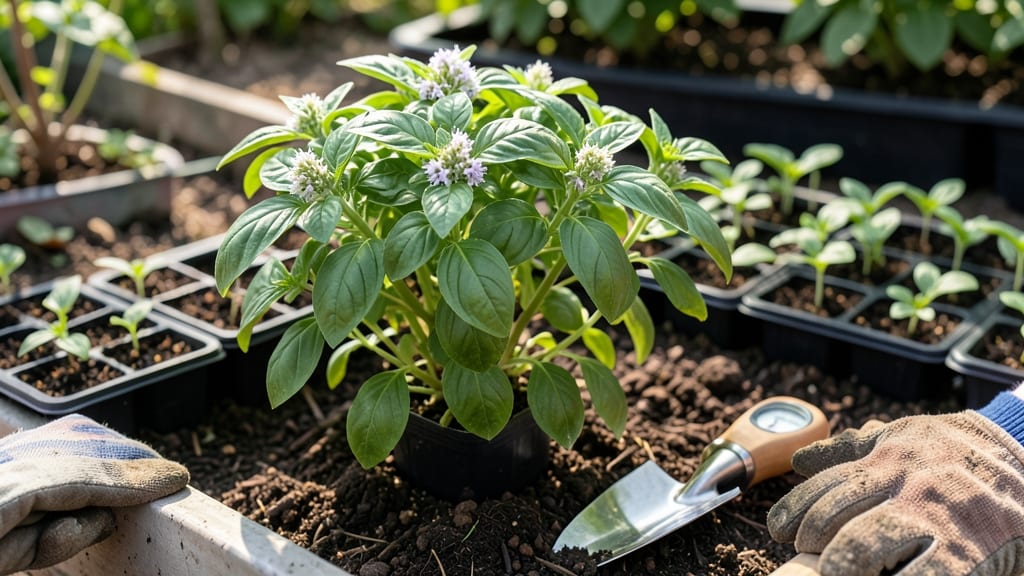
If you've ever struggled with when to plant basil in North Carolina, you're not alone—getting the timing right means the difference between a thriving herb garden and a sad, frost-nipped disappointment.
North Carolina's varied climate, from the mountains to the coast, means your ideal planting window depends on whether you're in Zone 7b or 8a.
For most gardeners in the Tar Heel State, spring is the golden window to start basil after the last frost—typically between April 15 and May 15.
But here's the catch: if you're in the cooler Zone 7b, you might need to start seeds indoors as early as March to beat the clock. Meanwhile, Zone 8a gardeners can push things a little later, thanks to milder winters.
Why does timing matter so much? Basil is a tropical herb at heart—it hates cold snaps and slows down when temperatures dip below 50°F. Plant too early, and you risk stunted growth or even death from frost.
Too late, and you might miss out on that June-October harvest window when your basil is at its peak flavor.
Don’t worry—we’ll break down exactly how to sync your planting with North Carolina’s frost-free calendar, whether you’re growing basil in containers or straight in the garden. Let’s get those 🌿 plants thriving!
North Carolina basil planting calendar by Zone 7b vs 8a
North Carolina’s USDA Zones 7b and 8a offer distinct frost-free windows for planting basil, so knowing your exact zone is critical. In Zone 7b, the last spring frost typically occurs around April 15, while Zone 8a gardeners can plant as early as March 20.
These dates mark when soil temperatures consistently stay above 50°F, the minimum for basil germination and growth.
For indoor seed starting, begin 4-6 weeks before your last frost date. In Zone 7b, that means starting seeds by March 1, while Zone 8a gardeners can start even earlier, around February 15.
Seedlings need 6-8 hours of light daily to prevent leggy growth, so supplement with grow lights if natural light is limited.
Direct sowing outdoors should wait until all danger of frost has passed. In Zone 7b, this is generally May 1, while Zone 8a gardeners can direct sow as early as April 1. Transplanting seedlings too early risks cold damage or stunted growth, so always check local frost forecasts before planting.
🌱 North Carolina Basil Planting Calendar
| Task | Zone 7b Dates | Zone 8a Dates | Temperature Threshold |
|---|---|---|---|
| Start seeds indoors | March 1 | February 15 | 60°F+ soil |
| Transplant seedlings outdoors | May 1 | April 1 | 50°F+ soil |
| Direct sow outdoors | May 15 | April 15 | 55°F+ soil |
| First frost risk | October 31 | November 15 | Below 32°F |
If you’re planting in containers, you can extend your growing season by moving pots indoors before the first frost. Basil thrives in 5-gallon pots or larger with drainage holes, allowing you to harvest well into November in Zone 8a or October in Zone 7b.
Just ensure your indoor location gets at least 6 hours of sunlight daily to prevent bolting.
For fall planting, consider sowing seeds indoors again in August to transplant by September 15 in Zone 8a or October 1 in Zone 7b. This gives you a second harvest before winter sets in.
However, avoid planting too late—basil needs 60-80 days to mature, so late starts may not reach full potential.
North Carolina’s humid summers can also impact basil growth. To prevent fungal diseases like downy mildew, space plants 12-18 inches apart for airflow and water at the base of the plant rather than overhead.
Mulching with straw or pine needles helps retain moisture and regulate soil temperature, which is especially beneficial in Zone 7b’s hotter summers.
Monitor your local microclimate—areas near large bodies of water or at higher elevations may experience later frosts. For example, the mountains of western NC (Zone 7b) can have 2-3 weeks later frost dates than the coastal plains (Zone 8a).
Use a frost calendar from your local Cooperative Extension Service for precise timing tailored to your area.
Remember, basil is an annual plant, so you’ll need to replant each year. However, with the right timing, you can enjoy fresh basil from early summer through fall, perfect for homemade pesto, teas, or garnishes. Start planning now to make the most of North Carolina’s growing season!
How to extend your basil growing season in NC
North Carolina’s warm springs and balmy falls make it possible to grow basil almost year-round with a few strategic adjustments.
Unlike most gardeners who focus only on spring planting, you can extend your harvest into late fall—or even start earlier indoors—by following these proven techniques tailored to NC’s Zone 7b-8a climate.
For a spring harvest, start seeds indoors 6-8 weeks before your last frost date (typically mid-March for Zone 7b and early April for Zone 8a). Use grow lights or place seedlings near a south-facing window to ensure strong, healthy plants ready for transplanting by late April or early May.
To maximize your fall harvest, begin sowing seeds directly outdoors in early August for a late-season crop. Choose heat-tolerant varieties like Thai basil or Genovese, which thrive in NC’s summer heat and can handle cooler fall temperatures better than other types.
If you’re eager to grow basil year-round, consider using containers with wheels. Move pots indoors during cold snaps (below 50°F) and place them near bright windows or under grow lights. This method lets you enjoy fresh basil even when outdoor temperatures drop.
🌱 Pro Tip: Use row covers or lightweight fabric to protect seedlings from unexpected late frosts in spring or early fall. These covers trap heat while allowing sunlight and water to pass through, creating a microclimate that extends your growing season by 2-3 weeks.
Avoid These Common Mistakes
- 🌡️ Transplanting too early: Basil won’t survive if soil temps drop below 50°F. Wait until nighttime temps stay above 55°F.
- 💧 Overwatering: Basil hates soggy roots. Water only when the top inch of soil feels dry, and ensure containers have drainage holes.
- ☀️ Skipping shade cloth: In Zone 8a’s intense summer sun, basil can bolt. Use 30% shade cloth during peak afternoon heat (12 PM–4 PM).
For a second fall harvest, try succession planting. After your first harvest in early summer, sow a second batch of seeds in late July. These seedlings will mature just in time for a late-September or October harvest before the first frost hits.
🌿 Bonus Tip: Pair your basil with companion plants like tomatoes or peppers to deter pests naturally. Basil’s scent repels flies and mosquitoes, while its shade helps keep soil moist longer—perfect for NC’s humid summers.