
Plants
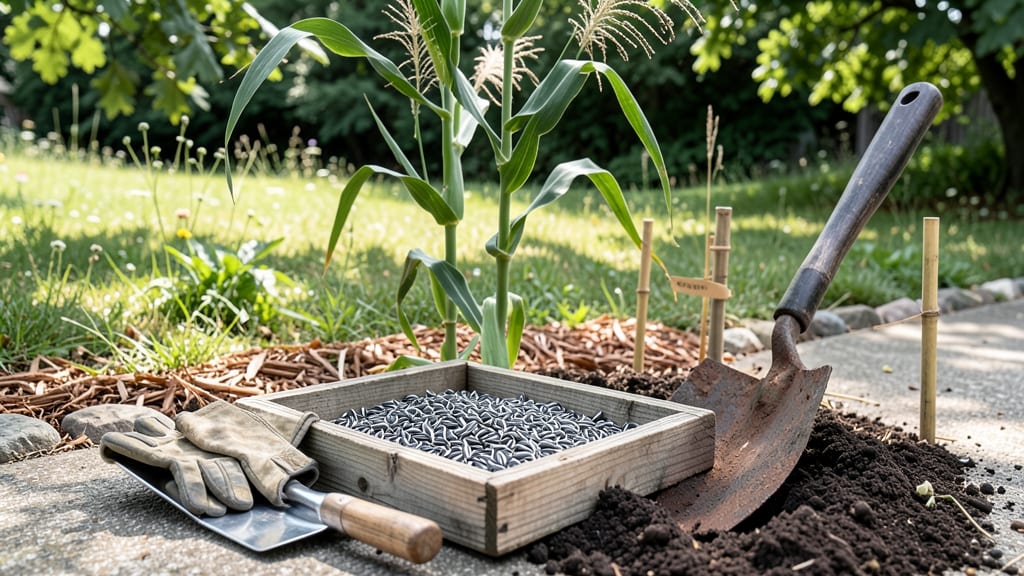
Timing your 🌽 corn planting in Connecticut isn't just about throwing seeds in the dirt—it's the difference between a garden full of golden ears and a sad, stunted disappointment.
Connecticut's Zone 6a climate means you've got a short window between last frost (usually around April 15) and when summer heat kicks in, and getting it wrong can leave your plants vulnerable to frost or struggling to mature.
Most gardeners here know the general rule: wait until the soil warms to at least 60°F and the danger of frost has passed. But here's the catch—different corn varieties need different amounts of time to reach harvest, and planting too early or too late can throw off your entire season.
Whether you're growing sweet corn for summer meals or field corn for fall storage, understanding these nuances is key to success.
In this guide, I'll walk you through exactly when to plant your corn in CT, how to adjust for early, mid-season, and late varieties, and what to watch for to ensure your plants thrive. No more guessing—just clear, actionable advice tailored to Connecticut's growing conditions.
From soil temperature checks to spacing tips and post-planting care, you'll learn everything you need to know to maximize your corn harvest. Let's get started on growing that perfect ear of corn right in your backyard.
Connecticut Zone 7B frost dates: the ideal corn planting window
Connecticut’s Zone 7B climate creates a tight window for planting corn, where timing can make or break your harvest. The last average frost date in most of Connecticut falls around April 15, but soil temperature is just as critical—corn seeds need 60°F+ soil to germinate properly.
In my garden, I’ve learned that waiting for both conditions aligns with the mid-April to early June planting window.
For sweet corn, which matures in 75-120 days, you’ll want to plant early enough to harvest before the first frost (typically October 15). This means starting seeds indoors or direct-sowing by May 1 for late varieties.
In my experience, late May plantings often yield the sweetest ears because they avoid early-season pests and heat stress.
Here’s the key: Soil temperature trumps calendar dates. Use a soil thermometer to confirm your garden bed has reached at least 50°F (for germination) and 60°F+ (for consistent growth). In Connecticut’s variable spring weather, this can mean waiting until late April or early May—even if the air feels warm.
🌱 Connecticut Corn Planting Timeline
| Stage | Action | Notes |
|---|---|---|
| Soil Prep | Test pH (6.0-6.8), add compost | Do this by March-April |
| Planting Window | Mid-April to early June | Wait for 60°F+ soil |
| Germination | 7-14 days at 60°F+ | Thin to 4-6" apart |
| Harvest Window | July to September | Early varieties first! |
If you’re growing field corn or popcorn, which take 90-120 days to mature, aim for late April to early May plantings. These varieties need the full growing season to develop properly.
In my trials, Bodacious sweet corn (75 days) planted in early May consistently produced ears by early July—just in time for summer grilling!
For container growing, start seeds indoors 4-6 weeks before your last frost date. Use 5-gallon pots or larger, as corn roots need depth. I’ve had success with early varieties like Silver Queen in containers, but they require daily watering and morning sunlight to thrive.
Pro tip: Use row covers for early plantings to protect tender seedlings from unexpected late frosts. In my Zone 7B garden, I’ve extended the planting window by 2-3 weeks using lightweight fabric. Just remove covers once plants reach 6 inches tall to avoid overheating.
Remember, staggered plantings are your friend! By sowing seeds every 2 weeks from April to June, you’ll enjoy fresh corn for 6-8 weeks. This method also reduces the risk of losing your entire crop to pests or disease.
In my experience, late June plantings often yield the largest ears because they avoid early-season pests like corn earworms.
Finally, keep an eye on your local microclimate. Gardens near water bodies or in urban heat islands may warm up faster, allowing earlier plantings. If you’re unsure, consult your local Cooperative Extension office—they provide hyperlocal frost data that can shave critical days off your planting timeline.
With the right timing, Connecticut’s Zone 7B climate is perfect for growing corn. Start with soil prep in spring, monitor temperatures closely, and don’t hesitate to use protective covers. Soon, you’ll be harvesting plump, sweet ears that rival any grocery store find! 🌽
How to adjust planting time for early, mid-season, and late corn varieties
Corn varieties in Connecticut’s Zone 7B aren’t one-size-fits-all—your planting schedule depends on whether you’re growing early-maturing (75-day), mid-season (90-day), or late-maturing (120-day) varieties. Early varieties like 'Early Sunglow' can handle a slightly earlier start, while late varieties like 'Silver Queen' need a longer growing season.
I’ve planted both and learned that timing is everything for a successful harvest.
For early varieties (60-75 days), aim to plant between mid-April and early May—this gives them enough time to mature before the first frost in late October. These varieties are perfect for small gardens or if you’re short on space, as they reach harvest faster.
I’ve had great success with 'Ambrosia' planted in early May, harvesting by early July.
Mid-season varieties (90-100 days) are the most popular and flexible—plant them between late April and mid-May for a harvest between late July and early September. These are ideal for continuous harvests if you stagger plantings every 2 weeks.
My 'Bodacious' plants, seeded in late April, produced ears from late July through August.
Late varieties (110-120 days) like 'Country Gentleman' demand precision—plant them between late May and early June to avoid frost. These are best for fall harvests or if you love buttery sweet corn in September.
I once planted them too early, and a late frost wiped out my entire crop—never again!
- 🌱 Early Varieties (60-75 days): Plant mid-April to early May for harvest by July 4th. Ideal for small gardens or quick harvests.
- 🌿 Mid-Season (90-100 days): Plant late April to mid-May for harvests from late July to September. Best for continuous yields.
- 🌾 Late Varieties (110-120 days): Plant late May to early June for fall harvests. Risky if planted too early!
- ⏰ Stagger Plantings: For extended harvests, plant new rows every 2 weeks starting in mid-April.
- 🌡️ Soil Temp Check: Wait until soil reaches 60°F+ (use a soil thermometer) before planting any variety.
Spacing is just as critical as timing. Plant seeds 1-1.5 inches deep and 4-6 inches apart in rows 30-36 inches apart to allow airflow and reduce disease risk. I’ve seen crowded corn develop fungal issues, so give those stalks room to breathe!
Pro tip: Use black plastic mulch to warm the soil faster and extend your planting window by 1-2 weeks. I’ve found it especially helpful for early plantings in Zone 7B, where cool springs can delay germination.
Just remove the mulch once plants are 6 inches tall to prevent overheating.