
Planting
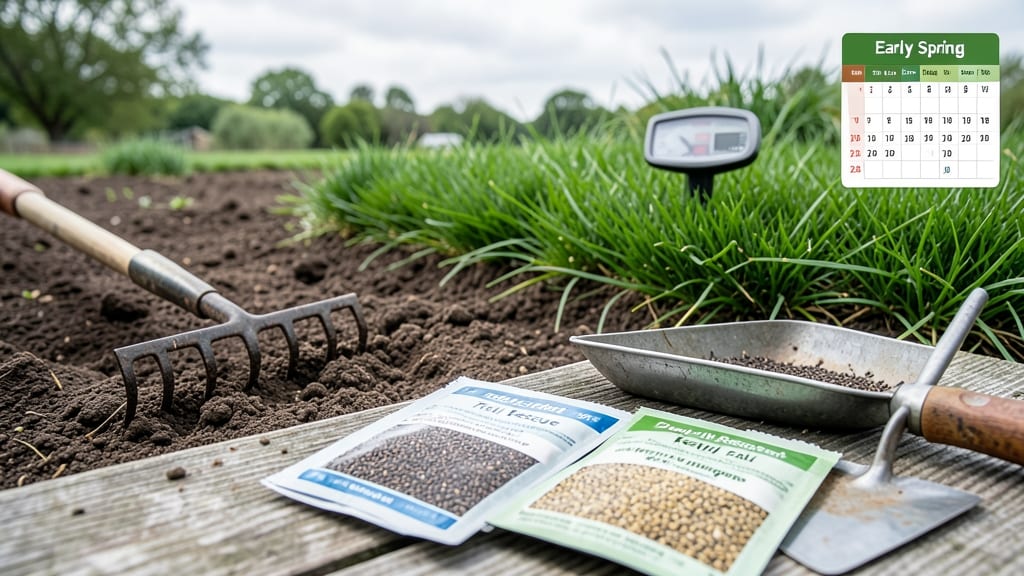
Timing your grass seed planting in Ohio wrong can mean the difference between a lush, green lawn and a patchy, weed-infested mess. With Ohio’s 6a-6b climate swinging between frigid winters and scorching summers, getting the window right is everything.
Most gardeners swear by early spring or fall—but why? The secret lies in soil temperatures and frost-free windows. Plant too early, and a late frost will wipe out your efforts.
Too late, and weeds steal the show before your 🌱 Grass (Turfgrass) even gets a chance. Let’s break down the best times to plant for Ohio’s unpredictable weather.
You’ll discover how to read your local microclimate, prepare soil for success, and avoid the biggest mistakes that ruin lawns every year. Whether you’re seeding a new yard or refreshing an old one, these tips will help you skip the guesswork and get it right the first time.
Ready to transform your lawn? We’ll cover everything from soil prep to watering schedules—so you can enjoy that perfect green carpet all season long without the stress.
Ohio grass seed planting zones: soil temperature & frost-free dates by region
Ohio’s diverse climate—from the cool, wet north to the warmer southern valleys—means your grass seed planting window varies by USDA zone (6a-6b) and microclimate. The golden rule?
Plant when soil temps hit 50-60°F and stay there for 7-10 days. Too early, and frost zaps seedlings; too late, and summer heat stresses them.
Northern Ohio (e.g., Cleveland, Toledo) typically has earlier frosts and cooler soils, while southern Ohio (e.g., Cincinnati, Columbus) enjoys 2-3 weeks longer of favorable conditions.
Check your local last frost date (usually April 15 in most areas) and aim to plant 4-6 weeks before the first frost in fall or after the last frost in spring.
Here’s how Ohio’s regions break down for optimal planting windows and soil temperature thresholds:
| Region | USDA Zone | Spring Planting Window | Fall Planting Window | Soil Temp Threshold | Last Frost Date |
|---|---|---|---|---|---|
| Northern Ohio (Cleveland, Toledo) | 6a | Mid-April to early May | Mid-September to early October | 50-55°F | April 20 |
| Central Ohio (Columbus, Dayton) | 6a-6b | Late March to mid-April | Late August to mid-September | 55-60°F | April 15 |
| Southern Ohio (Cincinnati, Lexington) | 6b | Early March to late April | Early September to late October | 55-60°F | April 5 |
For cool-season grasses like Kentucky bluegrass or tall fescue (Ohio’s top choices), spring planting is ideal—these varieties thrive in cooler temps and establish roots before summer heat. Warm-season grasses like Bermuda (rare in Ohio but used in southern counties) prefer late spring to early summer planting, but they’re not recommended for most of the state.
Pro tip: Use a soil thermometer to confirm temps before planting. If your area experiences late frosts (common in northern Ohio), opt for late August to September planting for fall establishment—this gives seeds time to germinate before winter sets in.
Ohio’s clay-heavy soils also slow warming in spring. If your soil feels cold or damp, wait until it’s crusty on top (a sign moisture is receding) before seeding. Raised beds or amended soil warms faster, giving you a 2-week head start in cooler zones.
Remember: Summer planting is a no-go in Ohio. The intense heat and drought stress (especially in July-August) will cause seedlings to brown and die before they establish. Save your efforts for spring or fall—these windows offer consistent moisture and moderate temps for success.
For real-time updates, check the Ohio State University Extension or local NOAA frost maps. These tools adjust for microclimates (like urban heat islands or shaded yards) that can shift your planting window by 1-2 weeks.
Once you’ve nailed the timing, the next step is prepping your soil—but we’ll cover that in the step-by-step planting guide next. 🌱
Step-by-step grass seed planting schedule for Ohio’s spring & fall windows
Ohio’s cool-season grasses like Kentucky bluegrass and tall fescue thrive when planted in early spring or fall, but the exact timing depends on your region.
For most of Ohio, late March to mid-April (spring) and mid-September to early October (fall) are your best bets—when soil temps hover between 50-60°F and frost risks are low.
Spring planting gives your grass a head start before summer heat, while fall seeding lets roots establish before winter dormancy. Warm-season grasses like Bermuda (rare in Ohio) need late spring planting after the last frost, but they’re not ideal for our climate. Stick with cool-season varieties for year-round success.
🌱 Pro Tip: Check your local frost-free dates—most of Ohio’s last frost occurs around April 15, so aim to plant 4-6 weeks before that date in spring. In fall, seed 6-8 weeks before the first frost (usually October 15) to allow germination before cold sets in.
- 🌡️ Mid-March: Test soil temp—wait until it reaches 50°F+.
- 🛠️ Late March: Till soil, remove debris, and loosen clay-heavy Ohio soil.
- 🌱 Early April: Spread seed (use 1/2 lb per 100 sqft for new lawns).
- 💧 April–May: Water daily (1/4 inch) until germination (10–21 days).
- 🌿 June: First mow at 3–4 inches when grass hits 3–4 inches.
Fall planting follows a similar rhythm but with cooler temps. Start prepping soil in August and seed by mid-September to avoid weed competition. Overseeding existing lawns in fall is ideal—just rake thin areas and spread seed lightly.
Ohio’s variable rainfall means you’ll need to monitor moisture closely, especially in drought-prone southern regions.
💡 Key Adjustment: If your area gets heavy summer rain (common in northern Ohio), plant in late spring to avoid fungal issues. Southern Ohio’s warmer microclimates may extend fall planting to early November, but stop if soil temps drop below 50°F.
Once your grass is established, maintain it with regular mowing (1/3 rule) and seasonal fertilization. Spring and fall are also prime times to aerate compacted Ohio soil—a game-changer for root health. With the right timing, your lawn will outlast Ohio’s extreme weather swings and stay vibrant year-round.