
Plants
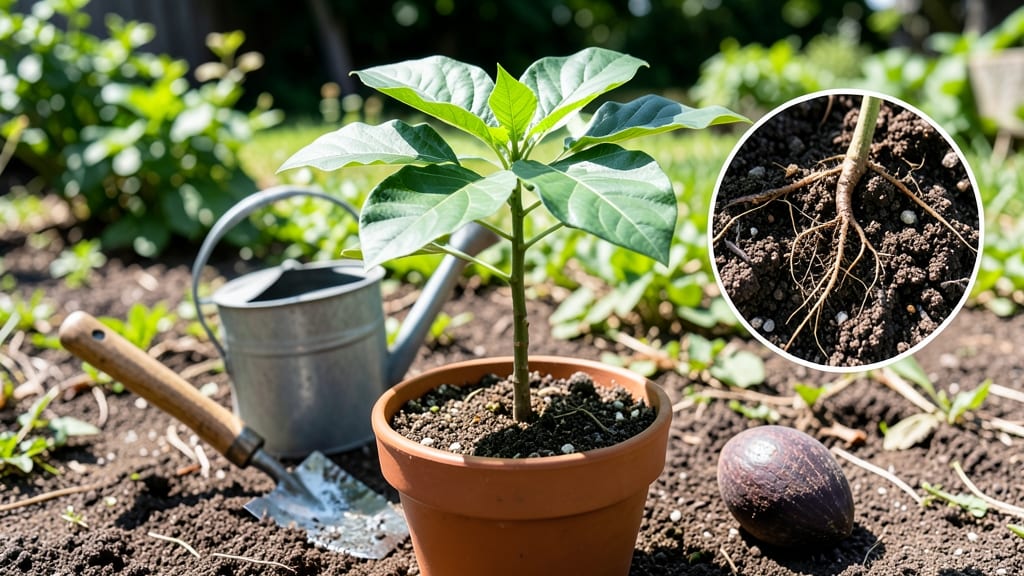
Planting your avocado seed 🥑 directly in dirt at the wrong time can turn your fast growth dreams into a slow, frustrating wait. The key isn't just waiting for spring—it's understanding when the soil is warm enough to spark those first roots.
Most gardeners in Zone 6a and beyond make the mistake of planting too early, only to watch their seeds sit dormant for months. But with the right timing—March to April after the last frost—you can give your seed the perfect warm start.
I'll show you exactly how to check soil temperature and avoid common pitfalls that stall germination.
Whether you're in a warm climate where you can plant year-round or a cooler zone where patience is key, this guide will help you time it right.
We'll cover soil prep, transplanting tips, and how to adapt for your specific growing conditions. Let's get your avocado seed sprouting faster than you thought possible.
Ready to skip the guesswork? You'll learn the exact soil temperature range that triggers germination, plus how to create ideal conditions whether you're planting in pots or straight into the ground. No more waiting years—just fast, healthy growth from day one.
Best soil temperatures for planting avocado seeds in dirt
Avocado seeds thrive when planted in warm soil, but most gardeners rush the process and end up with slow or failed germination. The ideal soil temperature for planting avocado seeds directly in dirt ranges between 65°F and 85°F.
Below this range, seeds may enter dormancy, while above it can cause root stress. Understanding your local climate zone is key—cooler regions should wait until spring, while tropical areas can plant year-round.
In USDA Zones 9-11, you can plant avocado seeds outdoors as early as February or March, provided nighttime temperatures stay above 50°F. For Zones 7-8, aim for late April or May after the last frost date.
In colder zones (6 or below), start seeds indoors in warmth-controlled environments before transplanting after the last frost. Always check your local frost dates to avoid frost damage.
Testing soil warmth before planting is simple: use a soil thermometer or the back-of-hand test. If the soil feels warm but not hot to your touch, it’s likely in the optimal range.
For extra warmth, use black plastic mulch or plant in south-facing beds where soil warms faster. This small adjustment can speed up germination by 30-50%.
| Climate Zone | Best Planting Window | Soil Temp Range | Key Consideration |
|---|---|---|---|
| Zones 9-11 | February-March | 65°F-85°F | Year-round risk of frost; protect young plants. |
| Zones 7-8 | Late April-May | 70°F-80°F | Wait for consistent 60°F+ nights. |
| Zones 6 or below | Indoors (Feb-Mar), Outdoors (June) | 75°F-85°F (indoors) | Start indoors; transplant after last frost. |
Spring planting is ideal because soil naturally warms and daylight hours increase, giving young avocado seedlings the energy they need to establish roots. If you miss spring, fall planting (September-October) can work in mild climates, but avoid planting when temperatures drop below 55°F.
In colder regions, container growing is your best bet—you can move pots indoors during winter.
Another critical factor is soil moisture. Avocado seeds need consistent moisture but hate soggy conditions. After planting, keep the soil evenly moist (not waterlogged) by watering deeply 2-3 times per week until germination occurs.
Use a well-draining mix of 50% potting soil, 30% perlite, and 20% compost to prevent rot. Mulching with straw or wood chips helps retain moisture and regulate soil temperature.
If you’re in a cooler climate, consider using a seedling heat mat ($15-$25) to maintain optimal temperatures. These mats raise soil warmth by 10-15°F, which is perfect for kickstarting germination in chilly springs.
For outdoor planting, choose a sheltered spot like near a south-facing wall or under a cloche to protect young plants from temperature swings.
One common mistake is planting avocado seeds too early in cold soil, which causes the seed to rot instead of sprout. Always wait until the soil is warm enough—even if the air temperature feels spring-like.
A simple trick is to bury a thermometer in the soil for 24 hours to get an accurate reading. If it’s below 65°F, delay planting by 1-2 weeks.
For container growing, fill pots with fast-draining soil and place them in a sunny, warm location (like a greenhouse or sunny patio). Containers warm up faster than garden soil, so you can plant 2-4 weeks earlier than in-ground.
Just ensure pots have drainage holes to prevent waterlogging, which is a leading cause of seed failure.
Remember, avocado seeds are sensitive to temperature fluctuations. If nighttime temps drop below 50°F, use row covers or move containers indoors. With the right soil warmth and consistent care, your avocado seed can sprout in as little as 2-4 weeks—much faster than waiting for nature’s timing.
Best soil temperatures for planting avocado seeds in dirt
Avocado seeds need warm soil to germinate, and planting too early can leave them dormant for months. The ideal soil temperature range is between 65°F and 85°F.
In Zone 6a, this typically aligns with late March to early April, right after the last frost date of April 15.
If you're in a warmer climate like Zone 9 or 10, you can plant year-round, but spring still offers the fastest germination. Cooler zones? Wait until the soil warms naturally—never plant in cold soil, or your seed may rot instead of sprouting.
To test soil warmth, use a soil thermometer buried 2 inches deep. If it reads below 65°F, hold off until temperatures rise. This simple step can cut your wait time from weeks to days for those first roots to appear.
| Climate Zone | Best Planting Window | Soil Temp Range | Key Tip |
|---|---|---|---|
| Zone 6a-8a | March–April | 65°F–85°F | Wait for last frost (after April 15) |
| Zone 9-10 | Year-round | 70°F+ | Plant in spring for fastest growth |
| Cooler Microclimates | Late April–May | 70°F+ | Use black pots to warm soil faster |
For indoor starters, transplant into soil when your seedling has 2-3 true leaves and a 1-inch root system. This usually happens in 4-8 weeks if kept in warm water. Harden off seedlings for 3 days before moving them outside to avoid shock.
In containers, use a well-draining mix of potting soil and perlite. For direct soil planting, amend clay soil with compost to improve drainage. Avocado trees hate soggy roots, so prioritize fast-draining conditions above all else.
Pro tip: If you're in doubt, start seeds indoors in late winter. By the time soil warms, your seedling will be ready to transplant—no waiting required. This method gives you a 2-week head start on germination.