
Plants
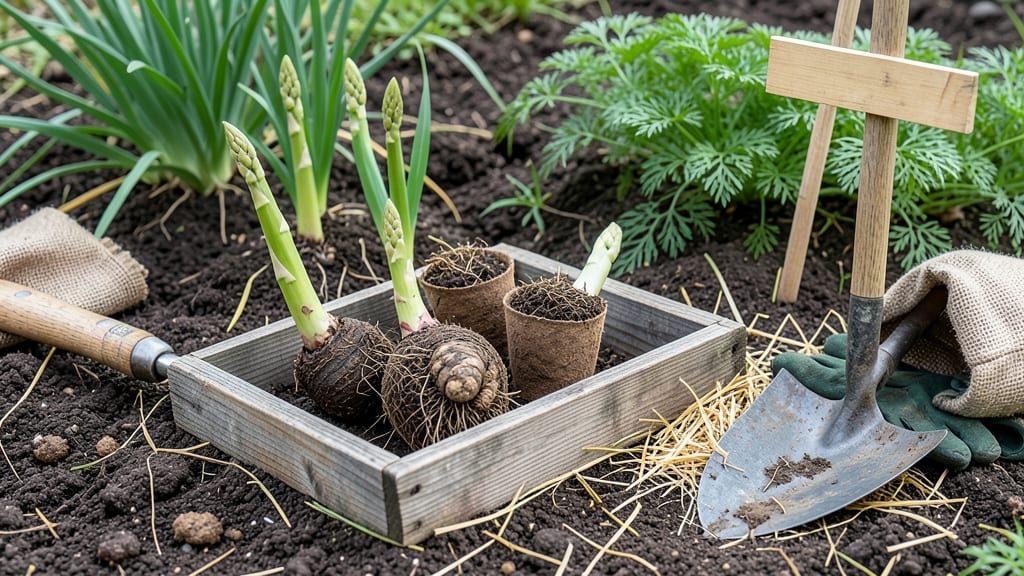
If you're dreaming of a Maryland garden packed with homegrown asparagus, timing is the key—plant too early and frost will zap your tender crowns, but too late and you'll miss the sweet spot for strong root growth.
Maryland's 7a-7b climate demands precision, and getting the frost-free window right means the difference between a thriving 🌱 asparagus patch and wasted effort.
Most Maryland gardeners swear by planting asparagus crowns in early spring, between March and April, when soil temperatures hit that sweet 40-50°F range.
This gives the roots time to establish before summer heat arrives, setting the stage for harvests in May and June—though patience is required, as full yields take 2-3 years to develop.
But here's the catch: Maryland's last frost date can vary dramatically from Baltimore to Western Maryland, and soil conditions play a huge role.
Whether you're in the Baltimore area or further west, we'll break down the exact frost-free deadlines you need to know—plus soil prep secrets that keep your asparagus growing strong.
Ready to grow your own spears? Let's dive into the perfect planting schedule, variety choices, and pro tips to make your Maryland asparagus thrive—no frost-related disappointments included.
Maryland asparagus planting deadlines by Zone: frost dates and soil temps
Maryland’s frost dates and soil temperatures are the most critical factors when deciding when to plant asparagus. The last average frost date in Maryland typically falls between March 15 and April 15, depending on your specific zone.
For Zone 6a (Western Maryland) and Zone 7b (Eastern Shore), aim to plant by March 15 to avoid frost damage to tender crowns.
Asparagus crowns thrive when soil temperatures reach 40-50°F. Use a soil thermometer to confirm readiness—planting too early in cold soil can stunt root growth. In Baltimore (Zone 7a), soil often warms to 50°F by late March, making it ideal for planting by March 20.
For Annapolis (Zone 7a) and Western Maryland (Zone 6a), push planting to April 1 if early spring is unusually cold. Always check the Maryland Extension frost map for real-time updates on your microclimate.
🌱
| Zone | Last Frost Date | Ideal Planting Window | Soil Temp Requirement |
|---|---|---|---|
| 6a (Western MD) | March 15 - April 1 | March 15 - April 1 | 40-50°F |
| 7a (Baltimore, Annapolis) | March 20 - April 5 | March 20 - April 15 | 40-50°F |
| 7b (Eastern Shore) | March 25 - April 10 | March 25 - April 15 | 40-50°F |
Note: Adjust planting dates 1-2 weeks later for late springs.
If you miss the primary planting window, consider using row covers or a cold frame to extend your season. These tools can push planting dates 2-3 weeks earlier by protecting crowns from late frosts.
For example, in Zone 6a, you might plant as early as February 28 with frost protection.
Always plant 1-year-old crowns (not seeds) for faster establishment. Dig a 12-inch-deep trench, place crowns 12-18 inches apart, and cover with 6-8 inches of soil. This method ensures roots establish before Maryland’s summer heat arrives.
For late plantings, aim for May 1 as the absolute deadline. While harvests may be delayed, asparagus planted in May can still thrive with consistent watering and mulching. Just expect a smaller first-year harvest.
🌡️
Monitor local weather forecasts in the days leading up to planting. If a hard freeze is predicted, delay planting until soil warms. Maryland’s microclimates vary—urban areas like Baltimore may warm faster than rural Western Maryland.
Pro tip: Plant Jersey Knight or Mary Washington varieties—they’re cold-hardy and perform well in Maryland’s variable springs. These varieties tolerate light frosts after planting, giving you flexibility in timing.
✂️
Best asparagus varieties for Maryland gardens: cold-hardy vs. fast-maturing options
Choosing the right asparagus variety for Maryland’s climate can mean the difference between a reliable harvest and years of disappointment. Maryland’s 7a-7b zones demand varieties that balance cold hardiness with quick establishment, since our short growing season leaves little room for error.
For Maryland gardeners, I recommend focusing on crown-planted varieties—they establish faster than seeds and handle our spring frosts better. The top performers here are Jersey Knight, Mary Washington, and Purple Passion, each with unique strengths for our climate.
Jersey Knight is my go-to for Maryland’s unpredictable springs. This variety thrives in cooler soils and produces high yields even with late frosts. It’s also disease-resistant, a must for Maryland’s humid summers. Plant it in March or early April for the best results.
Mary Washington is another crowd-pleaser, prized for its sweet, tender spears and adaptability to Maryland’s heavy clay soils. It matures slightly slower than Jersey Knight but compensates with longer harvest windows—ideal if you’re planting in Western Maryland’s cooler microclimates.
Purple Passion adds a fun twist with its vibrant purple spears, though they turn green when cooked. This variety handles Maryland’s hot summers better than most and produces well in sandy soils, common in Eastern Maryland. It’s perfect if you want a visual standout in your garden.
| Variety | Cold Hardiness | Harvest Window | Best For |
|---|---|---|---|
| Jersey Knight | Excellent (handles late frosts) | May–June (2-3 years) | Unpredictable springs, disease resistance |
| Mary Washington | Good (adapts to clay soils) | Late May–July (2-3 years) | Heavy soils, longer harvests |
| Purple Passion | Moderate (hot summer tolerance) | June–July (2-3 years) | Sandy soils, visual appeal |
If you’re planting in February (a riskier bet in Maryland), opt for Mary Washington—it’s the most frost-tolerant of the bunch. For late April plantings, Jersey Knight will still perform well, though yields may be slightly delayed.
Avoid Pacific 2000 unless you’re in Western Maryland’s cooler zones—it struggles with our humidity.
Pro tip: Pair your variety choice with soil amendments like composted manure or bone meal to speed up root establishment. Maryland’s short growing season means every day counts—start with the right variety, and you’ll be feasting on homegrown asparagus in no time.