
Plants
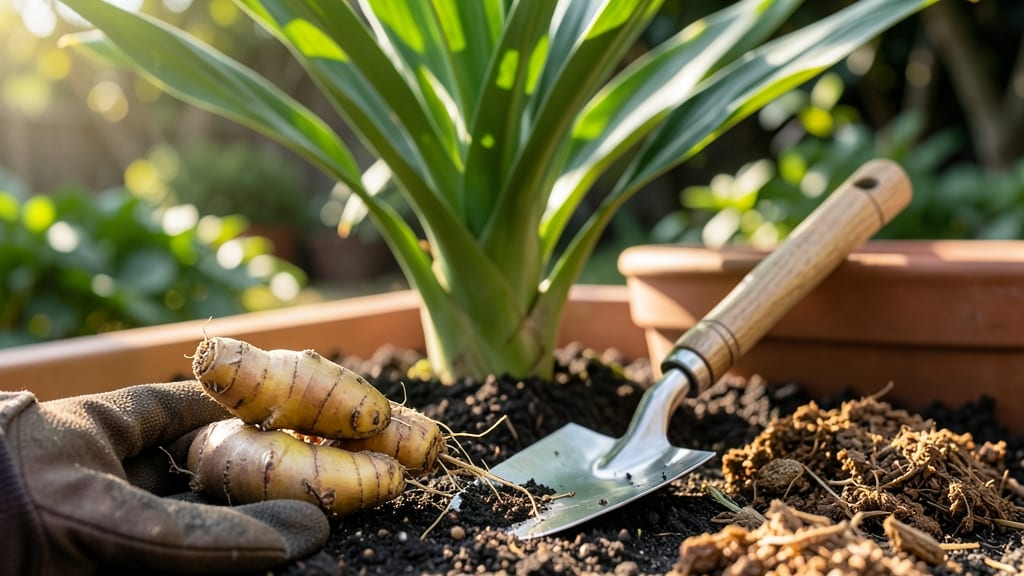
Timing your ginger planting in California isn’t just about picking a month—it’s about reading the soil’s secret language. Skip the guesswork, and you’ll miss out on those bold, plump rhizomes that make fresh ginger worth the wait.
The key? Planting when soil temps hit 65°F or warmer, a trigger most gardeners overlook until it’s too late.
California’s frost-free zones (like yours in USDA 9-10) let you grow ginger year-round, but spring and fall are your golden windows. Inland valleys? Aim for March-April when the earth finally warms. Coastal areas? September-October works perfectly—just watch for those sneaky heatwaves that can stall growth.
I’ve learned the hard way: Plant too early, and your rhizomes stay stunted; too late, and harvest season slips away.
Here’s the game-changer: Ginger thrives in rich, well-draining soil with partial shade to protect its leaves from inland scorching. Whether you’re in a container or garden bed, we’ll cover how to prep your soil, spot the perfect planting cues, and keep your ginger lush until harvest—even in California’s unpredictable climate.
Let’s get those rhizomes growing.
Ready to unlock bigger yields with less trial and error? I’ll walk you through the exact steps to time your planting like a pro, from soil tests to microclimate hacks. No more second-guessing—just bold, harvest-ready ginger in your backyard.
California’s best ginger planting zones by month: soil temperature rules
California’s diverse microclimates mean your ginger planting window depends on where you live. Coastal areas like San Diego (Zone 10) can plant year-round, while inland valleys like Sacramento (Zone 9) need precise timing to avoid heat stress.
The golden rule? Wait until soil temps hit 65°F+—ginger rhizomes rot in cold soil.
For most of California, spring (March–May) and fall (August–September) are ideal. Spring planting yields harvests by November–December, while fall planting extends growth into winter’s mildest months. Southern California’s Zone 11 gardeners can even try summer planting, but watch for heatwave dormancy.
🌱 Key Soil Temp Triggers:
- 65°F+: Rhizomes sprout (use a soil thermometer).
- 80°F+: Growth accelerates (coastal areas hit this by April).
- 90°F+: Risk of dormancy (critical for inland valleys in summer).
🌡️ California Ginger Planting Zones & Soil Temp Rules
| Zone | Best Planting Months | Soil Temp Threshold | Microclimate Notes |
|---|---|---|---|
| 9 (Inland Valleys) | March–April or Sept–Oct | 65°F+ (wait for heat to subside) | Afternoon shade required; mulch heavily. |
| 10 (Coastal) | Year-round (peak: Feb–March) | 60°F+ (cooler coastal soils) | Tolerates more sun; harvest by December. |
| 11 (Desert) | Aug–Sept (avoid summer) | 75°F+ (shade cloth needed) | Drip irrigation essential; mulch to retain moisture. |
⚠️ Heatwave Hack: Inland gardeners can plant September–October to avoid summer’s peak heat. Use black plastic mulch to warm soil faster in spring.
If you’re in Northern California (Zone 8), aim for late April–May to dodge late spring frosts (rare but possible in high deserts). For container growing, plant rhizomes in pots by March—they’ll outgrow their containers by summer!
Pro tip: Test your soil with a thermometer for 3 consecutive days at 65°F+ before planting. Coastal gardeners can push 2 weeks earlier than inland areas—humidity helps maintain soil moisture.
For urban gardeners, east-facing windows or patio containers work well. Just ensure pots have drainage holes and use a well-draining potting mix with 30% compost.
Remember: Ginger is a tropical plant—it hates cold snaps. In Zone 9 high deserts, cover plants with frost cloth if temps dip below 50°F at night. Coastal areas? No worries—your ginger will thrive year-round with minimal fuss.
🌱 Quick Zone Check:
- Zone 9: Plant by April 15 for fall harvest.
- Zone 10: Plant anytime (but aim for spring).
- Zone 11: Fall planting only—summer is too brutal.
Signs your California soil is ready for ginger (and how to fix delays)
Your ginger rhizomes won’t sprout until the soil hits 65°F or warmer, and waiting too long can shrink your harvest.
Look for these three key signs your California soil is ready: dark, crumbly soil that smells earthy (not sour), warm to the touch (like a cozy bath), and moist but not soggy when you squeeze a handful.
If your soil still feels cool or compacted, your ginger will languish—even with perfect timing.
Use a soil thermometer ($10 at garden centers) to check temps at 6-inch depth (where rhizomes will root). Coastal areas often hit 65°F by late March, while inland valleys may need to wait until May or June.
Pro tip: Test temps for 3 consecutive days—fluctuations can trick your rhizomes into dormancy.
🌱
Soil Too Cold? Don’t Panic!
Slow-warming soils? Try these fixes:
- Black plastic mulch: Spread 2 weeks before planting to raise soil temps by 5-10°F.
- Raised beds: Fill with compost-rich mix to warm faster than ground soil.
- Container gardening: Use black pots to absorb heat (ideal for urban areas).
If your soil is ready but your microclimate isn’t cooperating, adjust your planting strategy. Inland areas? Plant in partial shade (ginger tolerates 4-6 hours of morning sun) to prevent leaf scorch.
Coastal gardeners can push planting to late September for a winter harvest, but watch for sudden chills—ginger’s minimum safe temp is 50°F.
For late-season planting (August–September), focus on fast-maturing varieties like ‘Red River’ (harvest in 8 months) to beat California’s unpredictable autumn rains. Mulch heavily with straw to insulate roots and keep moisture steady.
I’ve seen ginger planted in October thrive with this trick—just cover the bed with clear plastic sheeting during cold snaps to trap heat.
Don’t ignore moisture cues either. Press your finger 2 inches deep—if the soil feels dry, your ginger’s roots will struggle to establish. In USDA Zone 9-10, summer droughts can stall growth, so water deeply every 5-7 days until leaves perk up.
A drip irrigation system (even a DIY setup) saves time and keeps roots consistently moist.
When in doubt, plant a test rhizome in a pot first. If it sprouts within 2-3 weeks, your garden soil is ready. If not, wait another 2-4 weeks—your patience will pay off with plump, harvest-ready ginger by winter.
Trust the soil’s signals, and you’ll avoid the heartbreak of stunted growth.
🌿