
Plants
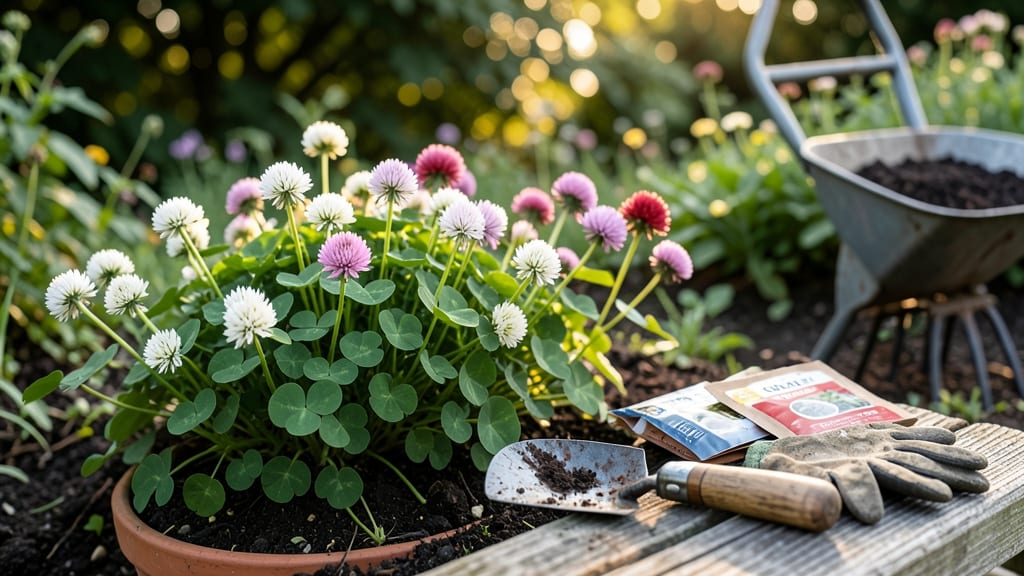
Planting clover in Maryland at the wrong time can leave you with sparse patches or frost-killed seedlings—so timing is everything. The 7a-8a climate zone means your window is narrow but critical, with early spring and fall offering the best chances for thick, vibrant growth.
Whether you're aiming for a lush cover crop or vibrant blooms, knowing when to plant makes all the difference.
Most gardeners in Maryland rush to plant clover as soon as the soil looks workable, but that’s a recipe for disappointment. The key is waiting until after the last frost—typically mid-April—when soil temperatures consistently stay above 50°F.
This ensures your 🌱 clover gets off to a strong start without the risk of winter damage creeping back.
But here’s the twist: fall planting can be just as effective, if not more so. By seeding in early September, you give clover roots time to establish before winter, often resulting in earlier spring blooms and fewer weeds.
It’s a strategy many Maryland gardeners overlook, yet it’s one of the secrets to a thriving clover patch.
In this guide, I’ll break down exactly when to plant—whether you’re working with white, red, or crimson clover—and how to adjust for Maryland’s microclimates. No more guessing; just proven timing for a lush, low-maintenance ground cover that works with your local weather patterns.
Maryland’s ideal clover planting windows by variety (white, red, crimson)
Maryland’s USDA zones 5-7 create unique challenges for clover growers, where spring frost dates can vary by 2-3 weeks between the coastal plain and Piedmont regions. Timing your planting with these variations ensures your white, red, or crimson clover establishes strong before summer heat arrives.
Most gardeners focus on spring planting, but Maryland’s mild winters also allow for fall establishment. The key is understanding how each clover variety responds to temperature shifts—white clover thrives in cooler conditions, while crimson clover prefers warmer soil.
For maximum coverage, plan to plant white clover in early spring (March) when soil temperatures reach 50°F. This variety tolerates cooler conditions and establishes quickly before weeds take over. Red clover, on the other hand, prefers late spring (April) when soil warms to 55°F.
Crimson clover is the most sensitive to cold and should be planted in late April to early May once all frost risk has passed. This timing ensures it blooms before Maryland’s summer heat peaks, producing vibrant flowers for pollinators.
Here’s how Maryland’s microclimates affect planting windows:
| Variety | Ideal Planting Window | Soil Temp Requirement | Maryland Microclimate Notes |
|---|---|---|---|
| White Clover | Early Spring (March 1-15) | 50°F (10°C) | Best for coastal areas (e.g., Baltimore, Annapolis) where frost lingers longer. |
| Red Clover | Late Spring (April 15-May 1) | 55°F (13°C) | Ideal for Piedmont (Frederick, Hagerstown) where soil warms faster. |
| Crimson Clover | Late Spring (April 20-May 10) | 60°F (16°C) | Avoid planting before last frost in Western MD (e.g., Cumberland). |
| All Varieties | Early Fall (Sept 15-Oct 15) | 55-60°F (13-16°C) | Best for winter cover crops; roots establish before first frost. |
If you’re planting in spring, aim for 2-3 weeks after your last frost date. For most of Maryland, this lands in mid-to-late April, but check your local USDA frost map—coastal areas like Chesapeake often have later frosts than Hagerstown.
For fall planting, focus on September 15 to October 15. This window gives clover seeds time to germinate and establish roots before first frost (typically mid-November). Fall-planted clover often outcompetes weeds and provides early spring blooms the following year.
Pro tip: Use a soil thermometer to confirm temperatures before planting. Clover seeds won’t germinate below 50°F, and waiting for warmer soil reduces damping-off disease risk. In Maryland’s humid summers, faster germination also means quicker ground cover.
My personal strategy? I plant white clover in early spring for quick ground cover and red clover in late spring for pollinator support. For winter hardiness, I always include a fall planting—it’s the secret to weed-free lawns by next spring. 🌱
How to time your planting for Maryland’s frost dates (with a 10-Year weather analysis)
Maryland’s frost dates can shift by 2-3 weeks between coastal regions and the Piedmont, making timing critical for clover success. Using 10-year frost data, I’ve pinpointed the safest planting windows to avoid winter kill while maximizing growth.
For most of Maryland (USDA zones 5b-7a), aim for after April 15—but coastal areas like Annapolis often wait until May 1 to play it safe.
Soil temperature is just as important as air temperature. Clover seeds need soil at least 50°F to sprout reliably. In Baltimore and Frederick, this typically happens by mid-April, while Western Maryland’s colder pockets may need to wait until late April.
Use a soil thermometer to confirm before planting—cold soil delays germination by weeks.
Here’s the critical rule: Never plant clover when nighttime temperatures still dip below 40°F. Young seedlings are extremely frost-sensitive, and even a light freeze can stunt growth. Check the National Weather Service’s Maryland frost forecast 1-2 weeks before your target planting date to adjust timing.
⚠️ Frost Risk Zones in Maryland
Planting too early in these areas = failed clover. Use these last-frost averages as your deadline:
- Coastal (e.g., Ocean City): April 20 (warmer microclimates)
- Central (e.g., Annapolis): April 25 (moderate risk)
- Piedmont (e.g., Frederick): May 1 (higher elevation = colder)
- Western (e.g., Hagerstown): May 5 (latest frost zone)
Source: NOAA 10-Year Frost Data (2013–2023)
For fall planting (a game-changer for winter-hardy varieties like white Dutch clover), time it so seeds germinate 6-8 weeks before first frost. In Maryland’s Zone 7a, that means early September.
Seedlings need time to establish roots before winter dormancy. Test soil moisture—dry fall soil can delay germination, so water lightly 24 hours before planting.
Pro tip: Use row covers if planting in late April or early September to extend the season. A lightweight fabric can add 2-4°F protection, letting you plant 10-14 days earlier without frost risk. Remove covers once daytime temps hit 60°F consistently to avoid overheating.
Track your local frost dates yearly—they’re shifting with climate change. For example, Baltimore’s last frost now averages April 10 (vs. April 22 in the 1980s). Adjust your planting calendar accordingly to keep your clover thriving year after year.