
Plants
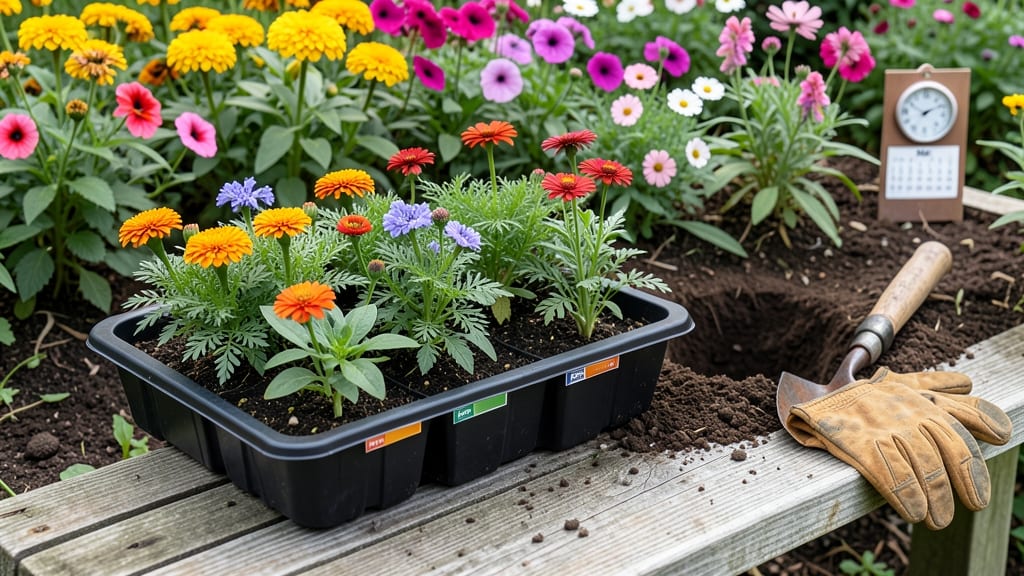
Timing your annuals planting in Zone 5 could mean the difference between a vibrant garden bursting with color and a sad, frost-nipped disappointment. The last frost date isn't just a number—it's your garden's green light to start planting 🌸 annuals like marigolds and petunias.
Most Zone 5 gardeners know that planting too early risks frost damage, while waiting too long means missing peak blooms. The secret lies in understanding your specific last frost date—typically around April 15—and adjusting for tender varieties that need warmer soil.
In this guide, I'll break down exactly when to plant your favorite annuals, from cool-season stars like snapdragons to heat-loving zinnias. You'll learn how to extend your growing season with simple frost protection hacks and avoid common mistakes that even experienced gardeners make.
Whether you're a beginner or a seasoned pro, mastering these planting windows will give you bold blooms from spring to fall—no guesswork required. Let's get your garden thriving on schedule!

Zone 5 last frost dates by month: critical planting windows for annuals
Understanding Zone 5 last frost dates is the foundation of successful annual planting. In this region, the average last spring frost typically falls between April 15 and May 1, while the first fall frost arrives around October 15.
These dates create a 150-day frost-free window—your garden’s prime growing season. Missing these windows means risking frost damage to tender plants or failing to maximize your garden’s potential.
For cool-season annuals like pansies and snapdragons, you can often start seeds indoors 4-6 weeks before your last frost date (around mid-March). These hardy varieties tolerate light frosts, giving you an earlier start.
Meanwhile, warm-season favorites such as marigolds and zinnias should wait until after the last frost when soil temperatures reach at least 60°F—usually late April to early May.
🌱
🌡️ Zone 5 Planting Timeline for Annuals
| Stage | Action | Notes |
|---|---|---|
| Early March | Start cool-season seeds indoors | Pansies, snapdragons, lettuce |
| Mid-April | Hardy annuals outdoors | Marigolds, calendula (with row covers) |
| Late April | Warm-season annuals after last frost | Petunias, zinnias, tomatoes |
| June | Succession plant heat-tolerant varieties | Basil, cosmos, sunflowers |
| Late August | Start frost-sensitive annuals indoors | Marigolds, nasturtiums (for fall blooms) |
📅 Pro Tip: Use a soil thermometer to confirm 60°F+ before planting warm-season annuals.
Regional variations within Zone 5 can shift these dates by 1-2 weeks. For example, northern Zone 5 (e.g., Minneapolis) may see last frosts in early May, while southern Zone 5 (e.g., Kansas City) could be frost-free by mid-April.
Always check your local Almanac’s frost date maps or use a weather app with frost alerts to fine-tune your schedule.
Microclimates—like sunny south-facing beds or sheltered corners—can also create earlier planting opportunities. Test your soil temperature with a thermometer before committing to warm-season plants. If it’s below 60°F, even frost-resistant annuals like cosmos may struggle to germinate.
For fall planting, aim to sow frost-sensitive annuals 6-8 weeks before your first frost (around early August). Use row covers or cold frames to extend the season for varieties like nasturtiums or basil, which can survive light frosts if protected.
This strategy lets you enjoy blooms well into October or even November in sheltered spots.
🌿
One common mistake is rushing to plant warm-season annuals as soon as soil is workable. Even if the ground is dry and crumbly, cold soil can stunt growth or cause rot.
Wait for consistent daytime temperatures above 70°F before planting heat-lovers like tomatoes or peppers. Patience here pays off with stronger, healthier plants.
To stay ahead, mark your calendar with these Zone 5 milestones:
- March 15: Start cool-season seeds indoors.
- April 15: Harden off seedlings and plant frost-tolerant annuals.
- May 1: Plant warm-season annuals after last frost.
- August 1: Begin fall succession planting for late-season blooms.
By aligning your planting with these frost-based windows, you’ll transform your Zone 5 garden into a year-round display of color and productivity—no matter the weather! ☀️
Zone 5 last frost dates by month: critical planting windows for annuals
Understanding your Zone 5 last frost date is the first step to planting annuals successfully. While the average last frost typically falls around April 15, actual dates can vary by 1-2 weeks depending on your specific location within the zone.
For example, areas like Chicago may see frost as late as May 1, while Pittsburgh often warms up by April 20.
Your local microclimate also plays a role—southern exposures warm faster, while low-lying areas hold cold longer. Always check your local almanac or use a frost calendar for precise timing.
Planting too early risks frost damage to tender annuals like marigolds or petunias, while waiting too long means missing early blooms.
🌱 Cool-season annuals like pansies and snapdragons can handle light frosts and can often be planted as early as March. These hardy varieties thrive in 45-60°F soil and even tolerate brief 28°F temperatures.
In contrast, warm-season favorites such as tomatoes and zinnias need soil temperatures above 60°F and should wait until after your last frost date.
Zone 5 Planting Timeline for Annuals
| Planting Window | Soil Temp | Ideal Annuals | Notes |
|---|---|---|---|
| Early March - Mid-April | 45-60°F | Pansies, Snapdragons, Lettuce, Kale | Frost-tolerant; use row covers |
| Late April - Early May | 60-70°F | Marigolds, Petunias, Basil, Tomatoes | Wait for last frost; warm soil required |
| Mid-May - June | 70°F+ | Zinnias, Sunflowers, Peppers, Cucumbers | Heat-loving; plant after soil warms |
| Late Summer - Early Fall | 55-65°F | Cosmos, Asters, Bush Beans, Radishes | Succession plant for fall blooms |
For vegetable gardeners, timing is equally critical. Leafy greens like spinach and lettuce can often be sown in early spring or late summer for fall harvests.
Meanwhile, warm-season crops such as peppers and eggplants require consistent warmth and should only be planted after May 15 in most of Zone 5.
Remember that succession planting is your secret weapon for continuous harvests. After harvesting early bush beans or radishes, replant with fast-growing varieties like baby carrots or turnips. This keeps your garden productive from May through October—or even later with frost protection!
🌡️ Pro tip: Use a soil thermometer to verify warmth before planting heat-lovers. Soil should stay above 60°F for at least 5 days before transplanting tomatoes or peppers. This small step prevents stunted growth and ensures robust plants ready for bold blooms all season.