
Plants
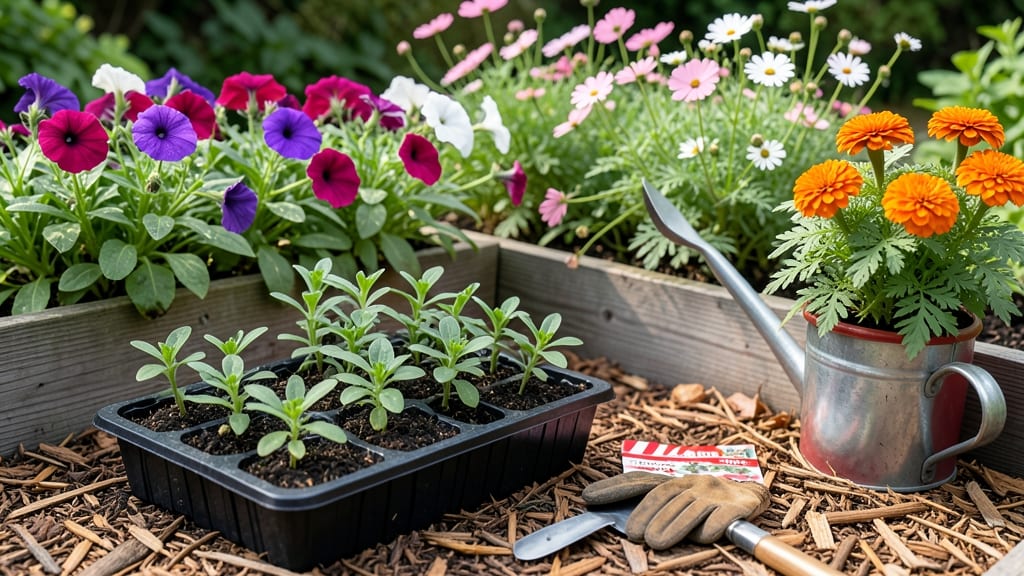
When to plant annuals in Wisconsin can make all the difference between a vibrant garden and one that struggles with frost before it even begins. With USDA zones 3 through 5 across the state, knowing when to plant isn’t about following a one-size-fits-all calendar—it’s about reading your local microclimate and understanding which varieties can handle Wisconsin’s unpredictable springs.
I’ve learned the hard way that rushing too early can leave delicate seedlings as crispy snacks for late frosts, while waiting too long might mean missing out on summer-long blooms.
The key is balancing warmth-loving plants like marigolds with cold-tolerant stars like pansies, all while keeping an eye on those last frost dates that shift yearly.
What you’re about to discover isn’t just about memorizing dates—it’s about smart strategies for starting seeds indoors, protecting tender plants, and choosing varieties that align with Wisconsin’s growing seasons.
Whether you’re a first-time gardener or a seasoned pro, these insights will help you maximize your garden’s potential from spring through fall.
Let’s dive into the exact planting windows, zone-by-zone, and the simple tricks that’ll keep your annuals flourishing when they matter most. Your garden’s success starts with knowing when—and how—to plant.
Wisconsin frost dates by zone: the exact window to plant annuals
Wisconsin’s frost dates vary dramatically by USDA zone, making accurate timing critical for annual success.
The state spans zones 3, 4, and 5, with northern areas (like zone 3) facing late spring frosts until May 15, while southern zone 5 regions often see frost-free conditions by April 20.
These dates aren’t set in stone—your microclimate (urban heat islands, lake effects, or hilltops) can shift them by 2-3 weeks.
To pinpoint your last frost date, check the USDA Plant Hardiness Map and cross-reference with local records from Wisconsin State Climatology Office. For example, Madison (zone 4b) averages its last frost on May 5, but Milwaukee (zone 5a) typically hits April 25.
Planting too early risks frost damage—even heat-loving annuals like marigolds need consistent warmth to thrive.
Here’s how to use these dates for your annual planting schedule:
| Zone | Last Frost Date (Avg.) | Safe Planting Window | Cold-Tolerant Annuals | Heat-Loving Annuals |
|---|---|---|---|---|
| Zone 3 (North) | May 15 | After May 20 | Pansies, Snapdragons | Marigolds, Zinnias (late June) |
| Zone 4 (Central) | May 5 | After May 10 | Sweet Alyssum, Lobelia | Petunias, Basil (late May) |
| Zone 5 (South) | April 20 | After April 25 | Violas, Calendula | Cosmos, Sunflowers (May 1) |
*Adjust for your microclimate—urban areas warm up faster!
For heat-loving annuals, wait until soil temperatures hit 60°F+. Use a soil thermometer to monitor—cool soil delays germination. Cool-season annuals, like pansies, can handle light frosts but may bolt if planted too early.
My rule? Start hardy annuals 2-3 weeks before your average last frost, then add heat-lovers once nights stay above 50°F.
Pro tip: Track your local frost history for 3 years to spot trends. For example, Green Bay (zone 4a) had a late frost on May 20, 2020, while La Crosse (zone 4b) saw an early frost on October 5, 2019.
These outliers can ruin your annual planting schedule if ignored. Use frost-sensitive annuals like basil as your canary in the coal mine—if they wilt overnight, frost is coming.
Don’t forget first frost dates for fall planting! In zone 3, expect frost by September 20, while zone 5 can extend to October 15. This window is perfect for cool-season annuals like kale or radishes, but avoid tomatoes or peppers—they’ll never recover.
For container gardening, you have a 2-week advantage—pots warm up faster and can be moved to protected spots at night. Start petunias or geraniums indoors 6-8 weeks before your last frost, then transplant after May 1 in zone 4 or April 15 in zone 5.
Just remember: containers dry out faster, so water daily during heatwaves.
If you’re in zone 3 and desperate for longer summers, consider black plastic mulch or row covers to push your planting window 2-3 weeks earlier. I’ve seen marigolds thrive under frost cloth until
Best annuals to plant in Wisconsin by month: a variety-specific guide
Wisconsin’s growing season is short but sweet, and choosing the right annuals for each month can maximize your garden’s potential. Whether you’re planting cold-hardy pansies in spring or heat-loving zinnias in summer, timing is everything.
Below, I’ve broken down the best annuals to plant by month, including when to start seeds indoors and when to direct-sow for the best results.
For early spring (March–April), focus on cool-season annuals like pansies, snapdragons, and sweet alyssum. These can handle light frosts and even thrive in cooler temperatures. In late spring (May), transition to warm-season favorites such as marigolds, petunias, and basil, which need warmer soil to germinate successfully.
🌱
Don’t overlook succession planting—this technique ensures continuous blooms by staggering plantings every 2–3 weeks. For example, sow bachelor’s buttons in early June and again in mid-July to enjoy flowers well into fall.
This works especially well for fast-growing annuals like lettuce and radishes, which can be harvested before the first frost.
For late summer (August–September), opt for heat-tolerant annuals like celosia, gaillardia, and salvia. These thrive in the remaining warm days and often bloom until frost. If you’re in Zone 4, aim to plant these by mid-August to give them enough time to establish before winter sets in.
Pro tip: Always check your local frost dates—they can vary by several weeks even within Wisconsin. Use the USDA Plant Hardiness Zone Map and your garden’s microclimate (e.g., near a lake or hill) to fine-tune your planting schedule.
A few extra weeks of warmth can mean the difference between a thriving garden and a sad, frost-nipped disappointment.
🌿