
Companion Plants
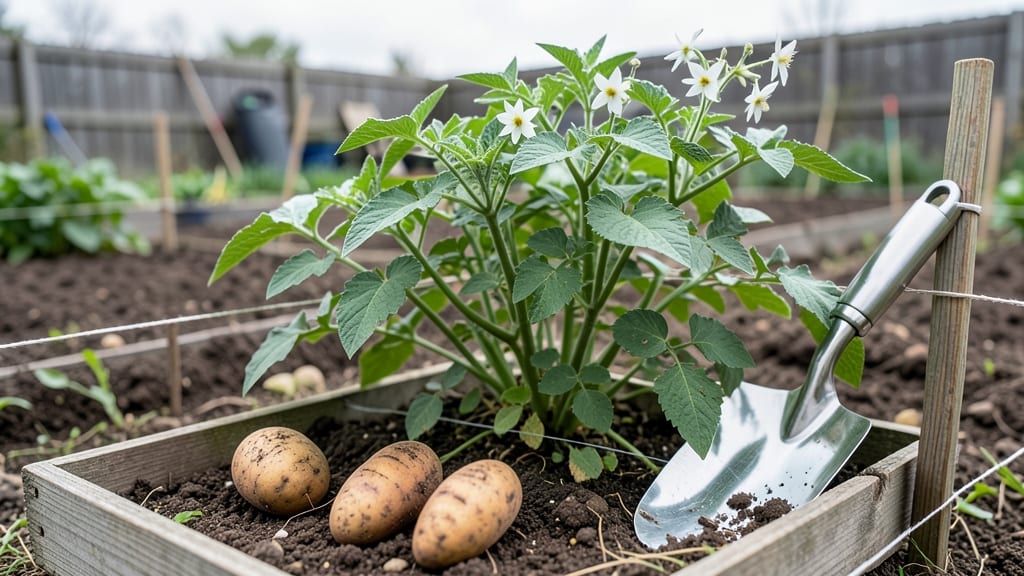
Knowing when to plant potatoes in Ohio can mean the difference between a thriving harvest and wasted effort—especially with the Buckeye State's unpredictable spring weather. Whether you're a seasoned gardener or just starting your 🥔 patch, timing is everything to avoid frost damage or stunted growth.
Ohio's USDA Zone 6a gives you a 165-day growing season, but early planting under frost protection (as early as February) can give you a jumpstart. The key is planting 4-6 weeks before your last frost date—typically by mid-April—while ensuring soil temperatures stay above 45°F.
In this guide, I'll break down the best planting windows for Ohio's regions, recommend the top varieties for your climate, and share pro tips to maximize your yield. No more guesswork—just a foolproof plan for potatoes that rival the ones from your favorite farm stand.
Ready to dig in? Let's turn your potato dreams into reality with variety-specific advice and Ohio's unique growing conditions in mind.
Ohio potato planting calendar: frost-free dates by region
Ohio’s last frost dates vary dramatically across its 8 growing zones, from Zone 5b in the north (e.g., Toledo) to Zone 6b in the south (e.g., Cincinnati). For most Ohioans, planting potatoes 4-6 weeks before the last frost ensures healthy tubers.
In northern Ohio, aim for mid-April, while southern Ohio can start as early as late March. Microclimates matter too—urban areas like Columbus may experience frost 2-3 weeks later than rural farms.
Use USDA zone maps to pinpoint your exact last frost date. For example, Zone 5b (northern Ohio) has an average last frost of April 22, while Zone 6b (southern Ohio) typically sees frost-free conditions by April 5.
Adjust your planting window accordingly: early varieties (like Yukon Gold) can go in as soon as soil reaches 45°F, while late varieties (like Kennebec) need warmer 50°F+ soil.
Here’s how Ohio’s regional frost-free dates translate to planting windows for your favorite potato varieties:
| Region | USDA Zone | Avg. Last Frost | Ideal Planting Window | Early Varieties | Late Varieties |
|---|---|---|---|---|---|
| Northern Ohio (Toledo, Cleveland) | 5b | April 22 | March 25 - April 15 | Yukon Gold (70 days) | Kennebec (120 days) |
| Northeast Ohio (Akron, Canton) | 6a | April 10 | March 15 - April 5 | Red Pontiac (80 days) | Russet Burbank (110 days) |
| Central Ohio (Columbus) | 6a | April 10 | March 15 - April 5 | Adirondack Red (75 days) | Monalisa (100 days) |
| Southwest Ohio (Cincinnati) | 6b | April 5 | Late March - Early April | New Potato (60 days) | Dark Red Norland (105 days) |
| Southeast Ohio (Athens) | 6b | April 5 | Late March - Early April | Finnish Yellow (70 days) | Purple Viking (100 days) |
⚠️ Pro Tip: Urban areas may have later frost dates due to heat islands. Check local weather stations!
For container gardening, start 2 weeks earlier than in-ground planting. Containers warm up faster, so late March is ideal even in northern Ohio. Use black pots to absorb heat and accelerate soil warming.
If you’re extending the season, consider frost cloths for early April plantings in colder zones.
Ohio’s short growing season (only 165 frost-free days) demands strategic variety selection. Early varieties (like Red LaSoda) mature in 70-80 days, while late varieties (like Kennebec) need 120+ days.
Plant successive crops every 2 weeks to stagger harvests and maximize yield. For example, plant Yukon Gold in mid-March and Kennebec in early April to ensure a continuous harvest from June to August.
Soil temperature is more critical than air temperature for potatoes. Use a soil thermometer to confirm 45°F+ before planting. In cool springs, delay planting until soil warms—cold soil stunts growth and increases disease risk.
If your soil is too wet or compacted, amend with compost or sand to improve drainage. Well-draining soil
Ohio potato planting calendar: frost-free dates by region
Ohio’s last frost dates vary by region, but most areas fall between April 15 and May 1. For example, northern Ohio (Zones 5b-6a) typically sees frost until April 20, while southern Ohio (Zone 6b) can plant as early as March 25.
To maximize your 165-day growing season, aim to plant 4-6 weeks before your local last frost date.
Microclimates matter too! Urban areas like Columbus may experience 2-3°F warmer soil temperatures than rural zones, allowing for earlier planting. Always check your local cooperative extension office for precise frost data—it’s the best way to avoid frost damage to your seed potatoes.
| Region | Last Frost Date | Ideal Planting Window | Early Variety | Late Variety |
|---|---|---|---|---|
| Northern Ohio (Zones 5b-6a) | April 15-20 | March 20-April 5 | Yukon Gold (70-90 days) | Kennebec (110-130 days) |
| Central Ohio (Zone 6a) | April 1-10 | February 25-March 20 | Red Pontiac (80-100 days) | Russet Burbank (120-140 days) |
| Southern Ohio (Zone 6b) | March 25-April 5 | February 15-March 10 | Adirondack Red (75-90 days) | Minnesota White (100-120 days) |
📅 Pro Tip: Use row covers to extend your planting window by 2-3 weeks in cold zones.
For container growing, start seed potatoes indoors in January using grow lights. Transplant to pots when soil warms to 50°F and move outside after the last frost. Containers dry out faster, so monitor soil moisture closely—especially in Ohio’s hot, dry summers.
If you miss the ideal window, don’t panic! Plant late-season varieties like Katahdin (130 days) in early May for a fall harvest. Just be prepared for smaller yields if planted after May 15. The key is soil temperature—wait until it consistently stays above 45°F for reliable germination.
Ohio’s short growing season demands smart planning. Use black plastic mulch to warm soil faster and straw mulch to retain moisture. These tricks can shave off 1-2 weeks from your planting timeline—critical for late varieties like Russet Burbank.
Remember: Early planting gives you more harvest options, but late planting risks blight. Balance your schedule with Ohio’s humid summers—choose disease-resistant varieties like Red LaSoda if you’re pushing the limits.