
Plants
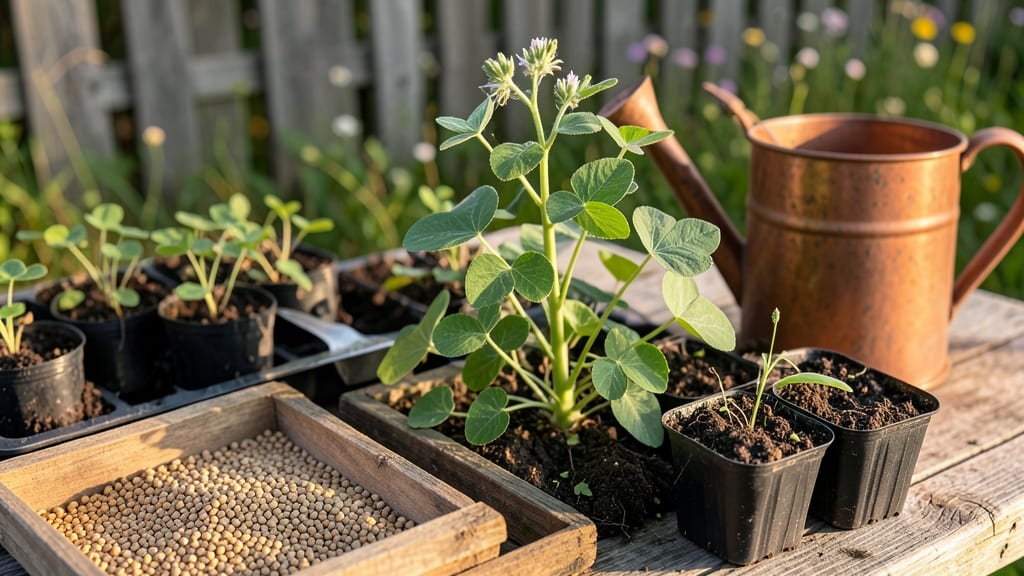
Planting alfalfa at the wrong time in Texas can mean the difference between a fast-growing, drought-resistant crop and a struggling one that barely survives. The key to success lies in understanding your region’s unique climate—whether you’re in North Texas with its chilly winters or South Texas’s scorching summers.
For most of Texas (USDA zones 8a-10b), the ideal window is late summer to early fall (August-September) or early spring (February-March). This timing avoids frost damage and gives young plants the best shot at establishing deep roots before summer heat sets in.
But here’s the catch: North Texas’s cooler winters mean you might push spring planting slightly later, while South Texas’s longer growing season allows for a broader fall window. We’ll break down the exact months for each region so you can learn how to time it perfectly.
Discover the easiest way to maximize your alfalfa’s potential by aligning planting with Texas’s unpredictable weather—no guesswork, just results.
Best planting months for alfalfa in Texas by region (north vs. Central vs. south)
Texas’s vast geography means alfalfa planting times vary dramatically from North Texas to South Texas. In North Texas (USDA Zones 7b-8a), where frost can linger until mid-March, aim for late February to early April.
Meanwhile, Central Texas (Zones 8a-8b) offers a broader window from late January to early May, while South Texas (Zones 9a-10b) enjoys frost-free conditions year-round, making August-September or February-March ideal. These windows align with soil temperatures above 50°F (10°C), crucial for germination.
Alfalfa’s cool-season growth habit means it thrives in Texas’s spring and fall when temperatures are mild. Planting in early spring lets seedlings establish before summer’s brutal heat, while fall planting avoids drought stress.
However, South Texas growers can also plant in late summer for a winter harvest, leveraging the region’s longer growing season. Always check your local frost dates—a late freeze can devastate young plants.
Here’s how Texas’s three regions differ in their ideal planting windows:
| Region | USDA Zone | Best Planting Window | Key Consideration |
|---|---|---|---|
| North Texas | 7b-8a | Late February–Early April | Avoid frost; soil temps >50°F |
| Central Texas | 8a-8b | Late January–Early May | Broad window; monitor rainfall |
| South Texas | 9a-10b | August–September OR February–March | Frost-free; summer planting for winter harvest |
🌱 Pro Tip: Use a soil thermometer to confirm temps are above 50°F (10°C) before planting.
For North Texas, prioritize spring planting (February-March) to capitalize on cool, moist conditions before summer’s heat arrives.
In Central Texas, you can stretch planting into early May, but seedlings may struggle if summer drought hits early. South Texas growers have the luxury of two planting seasons: late summer for a winter harvest or early spring for summer forage.
Always test your soil pH (6.5-7.5)—alkaline soils in Texas can stunt alfalfa growth if uncorrected.
Rainfall patterns also dictate success. North Texas often sees scattered spring showers, while South Texas may face summer droughts. Plan for supplemental irrigation during dry spells, especially for seedlings.
In Central Texas, where rainfall is more seasonal, aim to plant when soil moisture is consistent—typically after the first significant spring rains. Mulching with straw or wood chips helps retain moisture and regulate soil temperature.
One common mistake is planting alfalfa too early in North Texas, where late frosts can kill young plants. Always check the National Weather Service’s frost prediction maps for your county.
In South Texas, avoid planting in mid-summer (June-July) when soil temperatures exceed 90°F (32°C), as this can cause seed dormancy or poor germination. Instead, opt for late summer or early spring when conditions are cooler.
If you’re planting in fall, focus on September-October to allow seedlings to establish before winter. This strategy works best in Central and South Texas, where winters are milder.
In North Texas, fall planting is riskier due to earlier frosts, but if you choose this route, use row covers to protect young plants from 28°F (-2°C) temperatures. Always select drought-tolerant varieties like ‘WL 325HQ’ or ‘TAMHA’ for Texas conditions.
For large-scale farmers, consider no-till planting to preserve soil moisture and reduce erosion—a critical factor in Texas’s windy conditions. Smaller growers can use raised beds to improve drainage in heavy clay soils common across the state.
Whether you’re planting a small plot or acres, timing your alfalfa correctly ensures strong establishment and higher yields despite Texas’s challenges.
Remember: Alfalfa is a perennial in Texas’s climate, meaning it can regrow for 3-5 years if planted correctly. Investing time in proper planting windows pays off with lower maintenance and higher forage quality for livestock or hay production.
Start with a small test plot to refine your timing before committing to larger areas.
🌿
How to adjust alfalfa planting for Texas’s unique climate challenges
Texas’s climate throws curveballs—scorching summers, unpredictable rainfall, and soil salinity can derail even the hardiest crops. Alfalfa, though drought-tolerant, still needs smart adjustments to thrive.
The biggest hurdle? Planting too early in spring risks frost damage in North Texas, while planting too late in fall leaves young plants vulnerable to summer’s brutal heat.
I’ve learned the hard way that irrigation timing is critical. Alfalfa’s deep roots need consistent moisture during establishment, but overwatering in summer can drown seedlings. A drip irrigation system set on a timer delivers water directly to roots without waste—perfect for Texas’s erratic showers.
Another trick? Seed selection matters. Drought-resistant varieties like ‘WL 325HQ’ handle Texas’s dry spells better than standard types. Pair that with a light mulch layer (straw or wood chips) to lock in moisture and cool soil temperatures.
🌱
- Summer Heat Stress: Planting in June-August risks seedling death from heat. Wait until late August for fall planting.
- Salty Soil: Test soil pH—alfalfa prefers 6.5-7.5. If your soil is too alkaline, amend with sulfur before planting.
- Late Frost: North Texas’s January frost can kill young spring plants. Use row covers if planting early.
- Overwatering: Alfalfa hates soggy roots. Reduce watering in summer unless soil is bone-dry.
For fall planting, aim for September in South Texas or October in North Texas. This gives plants 6-8 weeks to establish roots before winter slows growth. In spring, don’t rush—wait until March in North Texas or February in Central/South Texas to avoid frost.
One more pro tip: Plant in raised beds if your soil is heavy clay. Alfalfa’s roots need aeration, and raised beds warm up faster in spring. Just ensure beds drain well—alfalfa hates waterlogged soil.
By tweaking your approach for heat, rainfall, and soil type, you’ll give your alfalfa the best shot at becoming a low-maintenance, high-yield crop—even in Texas’s toughest conditions. ✂️