
Planting
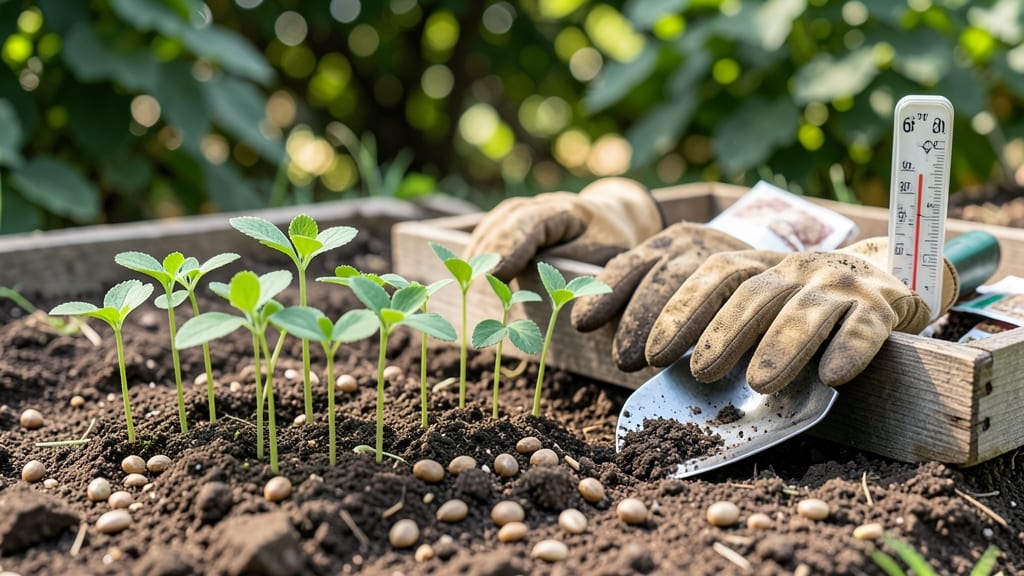
Timing your alfalfa planting in spring can make the difference between a lush, productive crop and a frustrating failure. This hardy perennial 🌱 thrives when planted just right—too early, and frost will set it back; too late, and you’ll miss the optimal growing window.
Most gardeners in USDA Zone 6a (like me!) find success sowing alfalfa seeds between early and mid-spring, once soil temperatures hit a steady 50–60°F. But here’s the catch: your exact planting window depends on where you live—northern climates need to wait longer than southern regions.
In this guide, I’ll break down the best planting times by region, soil temperature tricks to test readiness, and how to avoid common mistakes that kill young alfalfa plants.
Whether you’re a backyard gardener or managing a larger plot, these insights will help you get a head start on a nutrient-rich harvest.
Ready to turn your spring planting into a success? Let’s dive into the details so you can confidently sow your alfalfa at the perfect moment—no guesswork required.
Best spring planting times for alfalfa by soil temperature
Alfalfa thrives when planted at the right soil temperature, typically between 50°F–60°F. This window ensures strong germination and early growth. In cooler climates, wait until the last frost date has passed, while warmer regions can start as early as February.
Understanding your local microclimate is key to avoiding common pitfalls like slow sprouting or seed rot.
For most of the Northern U.S. (Zones 3–6), aim to plant alfalfa in late April to early May. Southern regions (Zones 7–10) can start earlier, often by March.
Always test your soil temperature with a soil thermometer before sowing—this simple step can save you from wasted seeds and frustration.
Direct seeding is the preferred method for alfalfa, but if you’re using transplants, choose hardy varieties suited to your zone. Transplants can be set out slightly earlier than seeds, but they still need warm soil to thrive.
In my experience, seedlings struggle in cold, damp soil, so patience pays off.
Here’s how to compare direct seeding vs. transplanting for alfalfa in spring:
Regional differences matter! In the Pacific Northwest, where spring rains linger, delay planting until soil dries and warms to at least 55°F. Meanwhile, in the Southeast, you can start as early as February if your soil stays above 50°F.
Always check your USDA Hardiness Zone for precise timing.
If you’re unsure about your soil temperature, use a soil thermometer for 3–5 days to confirm consistency. I’ve learned the hard way that cold, damp soil can delay germination by weeks—so don’t rush! A little patience ensures your alfalfa gets off to a strong start.
For container gardening, use lightweight, well-draining mixes to maintain ideal temperatures. Containers warm up faster than garden beds, so you might plant 1–2 weeks earlier than in-ground. Just be prepared to move pots to a sheltered spot if frost threatens.
Alfalfa’s deep roots benefit from loose, well-aerated soil. If your garden soil is heavy clay, amend it with compost or sand before planting. This improves drainage and helps roots establish quickly—a critical factor for spring success.
One final tip: Mulch lightly after planting to retain moisture and regulate soil temperature. Organic mulch, like straw, also suppresses weeds, giving your young alfalfa plants a competitive edge. This small step can make a big difference in your first harvest.
Best spring planting times for alfalfa by soil temperature
Alfalfa thrives when planted at the right soil temperature, typically between 50°F–60°F for optimal germination. This window ensures your seeds sprout consistently rather than rotting in cold soil or drying out too quickly in warmth.
In most USDA Zones 5–8, this translates to late March through early May, but your exact timing depends on your region's last frost date and soil conditions.
Northern regions (Zones 3–5) should wait until after the last frost—usually mid-April to early May—when soil warms to at least 55°F. Southern areas (Zones 8–10) can plant as early as February, but avoid sowing before soil temperatures dip below 50°F, which slows germination.
Testing soil warmth with a soil thermometer is the surest way to confirm readiness.
| Method | Best Time | Soil Temp | Pros | Cons |
|---|---|---|---|---|
| Direct Seeding | Late March–May | 50°F–60°F | Cost-effective, stronger roots | Slower germination |
| Transplanting | April–June | 60°F+ | Faster growth, fewer weeds | Higher cost, transplant shock risk |
For direct seeding, aim to plant alfalfa seeds ¼ inch deep in loose, well-drained soil. Use a seed drill or hand-sow in rows spaced 12–18 inches apart to allow room for growth.
Transplanting young seedlings (purchased from nurseries) is less common but ideal for short-season areas where direct seeding risks frost damage.
If you're in a transition zone (like Zones 6–7), consider using black plastic mulch to warm the soil faster in early spring. This can shave off 2–3 weeks from your planting window.
Always remove mulch once seeds sprout to prevent overheating. Monitoring soil moisture is critical—alfalfa seeds need consistent moisture but can rot if waterlogged.
One pro tip: Pre-soak seeds for 12 hours before planting to jumpstart germination. This is especially helpful in dry climates or if you're planting in sandy soil, which drains too quickly. Pair this with a light starter fertilizer (like 5-10-10) to give seedlings a nutrient boost right away.
Remember, alfalfa is a perennial in warmer zones but often treated as an annual in colder regions. Planting at the right time ensures your first harvest in late summer and sets the stage for years of regrowth.
Don’t rush—waiting for the perfect soil temperature pays off in a lush, productive crop. 🌱