
Plants
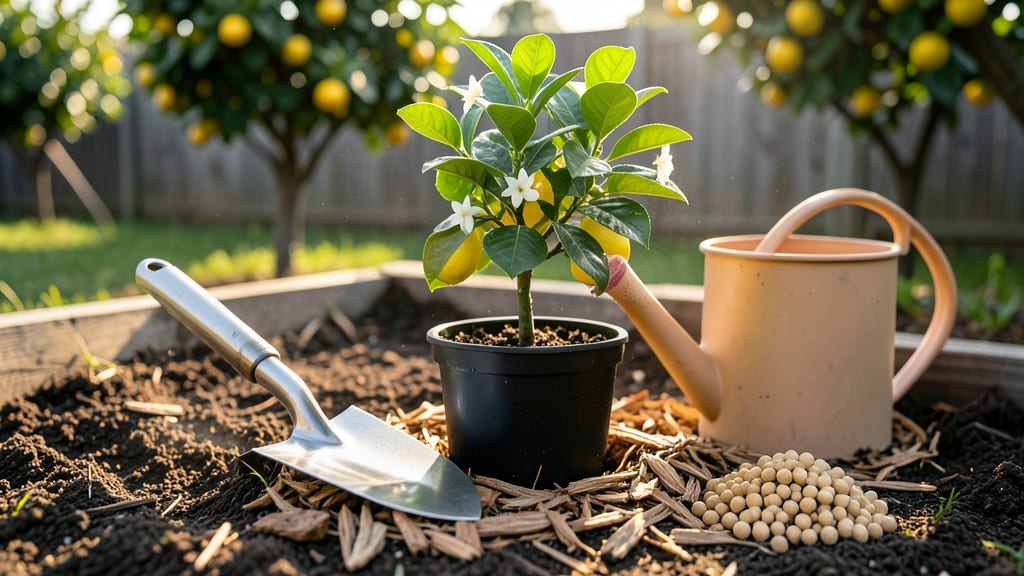
Planting a 🍋 lemon tree in Louisiana might seem easy—after all, your climate is practically made for citrus—but getting the timing wrong could mean struggling with frost damage or stunted growth.
The key to success lies in understanding your state's unique frost-free window and heat-zone challenges, which can make all the difference between a thriving tree and one that barely survives.
Louisiana's USDA zones 8a-9b give you a rare advantage: a long growing season where lemon trees can thrive year-round with the right care. But even here, early frosts in North Louisiana or unexpected heat spikes can throw off your planting plans.
I'll show you exactly when to plant—whether you're in humid New Orleans or the hotter inland areas—to maximize your tree's chances of success.
Most gardeners assume they can plant anytime, but the truth is that timing matters more than you think. For container-grown trees, you can plant almost any time, but bare-root varieties need that perfect window after the last frost—typically by March 15—to avoid cold stress.
Let me walk you through the best strategies to get your lemon tree off to a strong start, no matter where you are in the state.
Ready to grow a lemon tree that produces fruit for years? You'll discover how to leverage Louisiana's climate, avoid common pitfalls, and even extend your planting season with simple tricks. Let’s get your 🍋 tree growing the right way.
Louisiana’s frost-free window for planting lemon trees: exact months & temperature rules
Louisiana’s humid subtropical climate makes it one of the best U.S. states for growing lemon trees—but timing is everything. Unlike northern climates, Louisiana’s USDA Hardiness Zones 8a-9b mean you can plant year-round, but the frost-free window still dictates peak success.
The last average frost in most regions falls around March 15, but coastal areas like New Orleans can plant as early as January.
For inland areas (e.g., Shreveport), wait until mid-April to avoid 28°F cold snaps that can kill young trees. Lemon trees thrive in 60-85°F temperatures, so planting too early risks root shock from sudden cold snaps.
My rule of thumb? Plant when soil temps hit 60°F consistently for at least a week.
Here’s the critical frost-free window broken down by Louisiana region:
| Region | USDA Zone | Last Frost Date | Ideal Planting Window | Key Risk |
|---|---|---|---|---|
| Coastal (New Orleans, Lafayette) | 9a-9b | January 15 | January–March | Hurricane season (June–Nov) |
| Central (Baton Rouge, Alexandria) | 8b-9a | March 1 | February–April | Late frosts (March) |
| North (Shreveport, Monroe) | 8a | March 15 | April–May | Hard freezes (Dec–Feb) |
If you’re in Zone 8a (North Louisiana), I recommend waiting until after April 15 to give young trees a buffer. For containers, you can plant earlier (as early as February in coastal areas) because you can move them indoors if temps drop below 50°F.
Just ensure your container has drainage holes—Louisiana’s humidity and heavy rains make waterlogging a silent killer.
Pro tip: Use a soil thermometer to confirm 60°F soil temps before planting. Cold soil slows root growth, and lemon trees need active roots to handle Louisiana’s summer heat.
I’ve seen trees planted in 50°F soil struggle for months to establish, while those in 60°F+ soil sprouted new leaves within 3 weeks.
For bare-root trees, Louisiana’s fall planting (September–October) is also viable—just avoid planting when temps drop below 55°F. The key is giving roots time to establish before winter. If you’re in Zone 8a, I’d lean toward late spring (May) for bare-root trees to avoid early cold snaps.
One mistake I’ve seen gardeners make? Planting too late in summer (June–July). While lemon trees tolerate heat, high humidity + intense sun can stress young transplants. If you must plant in summer, do it in early June and provide 50% shade for the first 4 weeks.
Finally, microclimates matter. A spot near a large oak tree might stay 5°F cooler than your sunny backyard. Use this to your advantage: plant heat-sensitive varieties (like Meyer lemons) in slightly shaded areas, while Eureka lemons can handle full sun year-round.
Ready to plant? Grab your gloves and soil thermometer—your lemon tree’s future starts with the right timing! 🌱
Heat-Zone planting strategies: how Louisiana’s humidity affects lemon tree success
Louisiana’s long, humid summers create a double-edged sword for lemon trees. While the warmth extends your growing season, the high humidity and intense heat can stress your tree if you don’t plan carefully.
The key is to balance sun exposure with protection during peak summer months when temperatures often hit 95°F+. Unlike drier climates, Louisiana’s heat combines with high moisture levels, which can lead to root rot or leaf scorch if you’re not proactive.
Container-grown lemon trees handle Louisiana’s heat better than in-ground plants because you can move them to shaded areas during heatwaves. However, even containers need proper airflow—crowding or plastic pots trap heat and moisture, creating a breeding ground for fungal diseases.
I’ve found that fabric grow bags with drainage holes work best, as they allow roots to breathe while retaining moisture without suffocating the plant.
For in-ground planting, focus on well-draining soil mixed with compost to improve aeration. Louisiana’s native clay soils can become waterlogged after heavy rains, which is deadly for citrus.
Amend your soil with sand or perlite to create a looser texture, and consider planting on a slight mound to prevent water pooling around the roots. This simple adjustment can mean the difference between a thriving tree and one struggling with root stress.
Louisiana’s summer heat can cause sunburn on lemon tree leaves, turning them yellow or brown. To prevent this, provide afternoon shade (2-4 PM) during the hottest months using shade cloth or partial shade from nearby trees. Avoid sudden shade changes, which can stress the tree more than the heat itself.
🌡️ Critical Temp: Keep soil temps below 90°F—use mulch to insulate roots.
Another heat-related challenge is bloom drop, where lemon trees abort flowers due to temperature fluctuations. To encourage fruit set, maintain consistent moisture and avoid fertilizing during extreme heat.
I’ve had the most success with drip irrigation set to water deeply in the early morning, which keeps roots cool and reduces evaporation. This method also delivers water directly to the roots, minimizing fungal risks from overhead sprinklers.
If you’re planting in North Louisiana (Zone 8a), where nights can dip below 50°F even in summer, consider using a lightweight frost blanket during unexpected cold snaps. In contrast, South Louisiana (Zone 9a) gardeners should focus on shade management—providing afternoon shade while keeping morning sun for energy production.
The goal is to mimic the tree’s natural Mediterranean climate, where hot days are balanced by cooler nights.
Finally, monitor your tree for signs of heat stress, such as drooping leaves or yellowing between veins. These are early warnings to adjust your care routine. Prune lightly during summer to improve airflow, but avoid heavy pruning, which can shock the tree.
With the right heat-zone strategies, your lemon tree can thrive year-round in Louisiana’s challenging but rewarding climate.