
Plants
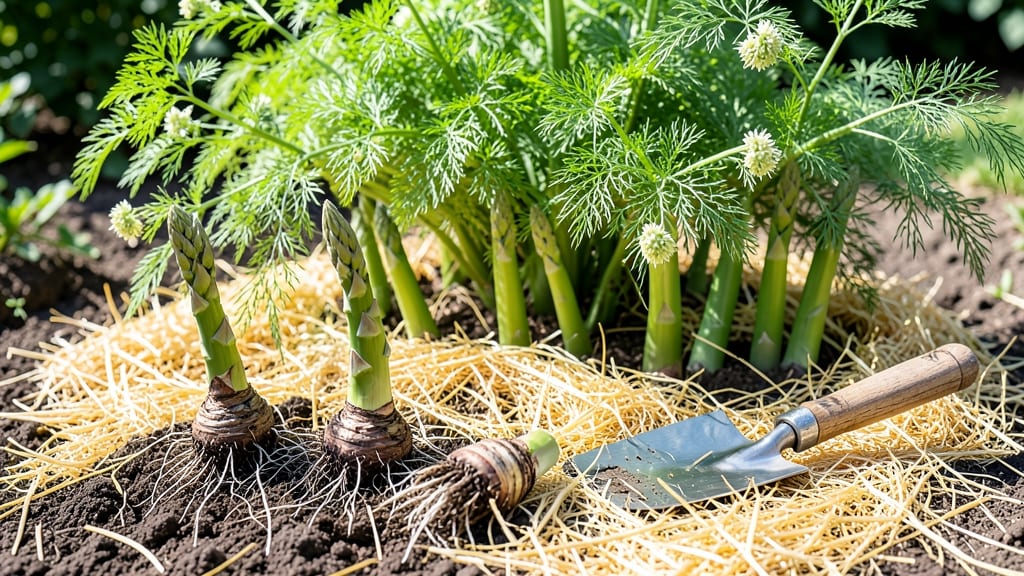
If you're dreaming of a fast-growing asparagus harvest in Louisiana, timing your planting right is the key to success. The perfect window opens between late winter and early spring, when soil temperatures rise above 50°F—but don't wait too long or you'll miss the prime growing season.
Louisiana's 8a-9b climate gives you a head start compared to cooler regions, but frost can still sneak in if you plant too early. I'll show you exactly when to get those asparagus crowns 🌱 in the ground for the fastest, most abundant harvest possible.
Whether you're a seasoned gardener or just starting out, understanding Louisiana's unique frost dates and soil conditions makes all the difference. We'll cover everything from soil prep to planting depth so your asparagus gets off to the best possible start.
Ready to grow your own homegrown asparagus? Let's dive into the science-backed timeline that will have you enjoying fresh spears in just a few months—without any of the common mistakes Louisiana gardeners make.
Louisiana asparagus planting timeline: frost dates and soil prep
Louisiana’s USDA Zones 8a-9b offer a 240-280 frost-free day window—perfect for asparagus. But timing matters: plant too early, and late-winter frosts (January 15–February 15) can damage crowns. Too late, and you’ll miss the spring harvest window (March–May). Aim for early February to late March when soil temps hit 50°F+.
Northern Louisiana (e.g., Shreveport) has earlier frost risks than southern regions (e.g., New Orleans). Check your local frost dates via the National Weather Service or Louisiana AgCenter for precision. For example, Alexandria’s last frost averages February 10, while Baton Rouge’s is February 25.
Asparagus thrives in well-draining soil—critical in Louisiana’s clay-heavy soils. Test your soil pH (ideal: 6.5–7.0) and amend with compost or sand to improve drainage. Avoid waterlogged spots, as asparagus roots rot easily.
Here’s your Louisiana asparagus planting timeline with key prep steps:
For Louisiana gardeners, prioritize drainage—even in raised beds. If your yard floods, plant on a slight slope or use gravel-filled trenches beneath rows. Mulch with straw or pine needles to retain moisture and suppress weeds, especially in humid summers.
Pro tip: Northern Louisiana gardeners should plant 1–2 weeks earlier (early February) to avoid frost, while southern Louisiana can wait until late February–March. Monitor soil temps with a thermometer—asparagus roots need consistent warmth to establish.
Once planted, asparagus crowns take 2–3 years to mature. But with the right timing and soil prep, you’ll enjoy harvests for 15+ years. Start small with 3–5 crowns to test your site’s suitability before expanding.
🌱
Louisiana asparagus planting timeline: frost dates and soil prep
Louisiana's 8a-9b climate gives you a unique advantage for growing asparagus, but understanding your local frost dates is critical. The ideal planting window opens between late February and early March when soil temperatures consistently stay above 50°F.
This timing ensures your asparagus crowns establish roots before the heat of summer arrives.
Northern Louisiana (like Shreveport) typically experiences last frost dates around February 15, while southern areas (New Orleans) can plant safely until mid-March. Always check your local USDA frost map to confirm, as microclimates can vary significantly even within the same region.
Asparagus thrives in well-draining soil with a pH between 6.5-7.0. Louisiana's native clay soil often needs amendment with compost and sand to improve drainage. I recommend testing your soil before planting—many Louisiana Extension offices offer free or low-cost testing services.
🌱 Louisiana Asparagus Planting Summary
| Stage | Action | Notes |
|---|---|---|
| Soil Prep | Test pH (6.5-7.0) | Add compost/sand |
| Planting Window | Late Feb-March | After last frost |
| Soil Temp | 50°F+ | Use soil thermometer |
| Harvest Window | Spring (March-May) | 2-3 years after planting |
For Louisiana gardeners, soil preparation is just as important as timing. The state's heavy clay can suffocate asparagus roots if not amended properly. Work in 2-3 inches of compost and sand to create loose, well-draining soil.
Raised beds work exceptionally well in Louisiana's humid climate, as they prevent waterlogging during our frequent summer rains.
One common mistake I see is planting asparagus too shallowly. In Louisiana's heat, crowns should be buried 4-6 inches deep to protect them from temperature fluctuations. This depth also helps establish a strong root system before the first harvest season arrives.
Remember that asparagus is a perennial crop that will produce for 10-15 years with proper care. Getting the timing right now means years of homegrown harvests with minimal effort.
The key is patience—don't expect spears until the second or third year, but the wait is worth it for Louisiana's long growing season.