
Planting
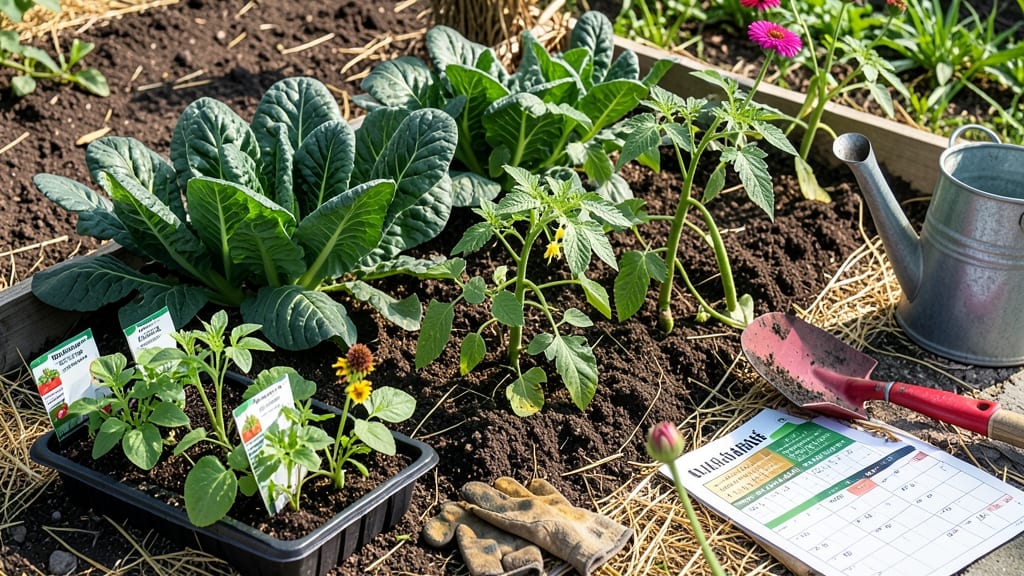
Timing your Alabama garden just right could mean the difference between a thriving harvest and fighting off wilting plants in the heat. The perfect planting window isn’t one-size-fits-all—it shifts between spring’s mild start and fall’s cooler embrace, especially in zones 7a-8b.
If you’ve ever watched your tomatoes bolt in July or your greens bolt in May, you know how crucial the right schedule is. Alabama’s long summers demand heat-resistant crops like okra and peppers, but even they need the right start.
Let’s break down exactly when to plant for your region’s unique climate.
Spring planting kicks off in February for cool-season crops, but warm-season favorites wait until after the last frost—usually mid-March in Birmingham or even later in the mountains. Fall offers a second chance to grow, with ideal dates stretching from August through September.
Ready to avoid common mistakes like planting too early or missing the frost window? I’ll walk you through the best months for each crop, regional adjustments, and how to extend your growing season. Let’s get those seeds in the ground at the perfect time!
Best Alabama planting calendar: spring vs fall timing for heat-tolerant vegetables
Alabama’s USDA Zones 7a-8b create a unique growing window where spring and fall planting dominate. Unlike northern states, Alabama’s mild winters and long summers allow for two major planting seasons—cool-season crops in early spring and late fall, and heat-loving vegetables after the last frost.
Timing is critical: plant too early, and frost will kill tender seedlings; wait too long, and summer heat will stress cool-loving crops.
For Alabama gardeners, the last average frost date ranges from late February in South Alabama (Mobile area) to mid-March in North Alabama (Huntsville).
This means your planting schedule should shift 2-4 weeks earlier if you live in the southern part of the state. First frost typically arrives in mid-November, giving you a 200-240 frost-free day growing season—plenty of time for two full harvests if you plan correctly.
Here’s the key: Cool-season crops (like lettuce, broccoli, and spinach) thrive when soil temps are below 70°F, while warm-season crops (tomatoes, peppers, and okra) need soil at 60°F or warmer to germinate.
Alabama’s spring heat arrives fast, so warm-season crops must go in the ground 2-3 weeks after your last frost date—not before.
| Season | Planting Window | Best Crops | Soil Temp | Key Tip |
|---|---|---|---|---|
| Early Spring | February - March (4-6 weeks before last frost) | Lettuce, Spinach, Broccoli, Peas, Kale | 45-60°F | Use row covers for frost protection. |
| Late Spring | April - May (after last frost, soil 60°F+) | Tomatoes, Peppers, Okra, Sweet Potatoes, Corn | 60-70°F | Mulch heavily to retain moisture. |
| Early Fall | August - September (6-8 weeks before first frost) | Carrots, Beets, Radishes, Collards, Turnips | 50-65°F | Plant succession crops every 2 weeks. |
| Late Fall | October - November (hardy crops only) | Spinach, Garlic, Onions, Winter Radish | 40-55°F | Cover with frost blankets for extra protection. |
Alabama’s summer heat can be brutal, but with the right planting strategy, you can avoid wilting plants and poor yields. For warm-season crops, start seeds indoors 6-8 weeks before your last frost date to give seedlings a head start.
Transplant them 2-3 weeks after the last frost when soil temperatures consistently stay above 60°F. If your soil heats up too quickly, use shade cloth for young plants until they establish roots.
One of my biggest mistakes as a new Alabama gardener? Planting tomatoes too early in spring. The soil would warm up, but the nighttime temperatures would still dip below 55°F, causing blossom end rot.
Now, I wait until mid-April in North Alabama or early April in South Alabama to transplant tomatoes, peppers, and eggplants. This timing ensures the soil stays warm enough for consistent fruiting.
For fall planting, focus on cool-season crops that mature quickly, like radishes (25 days) or bush beans (50 days).
These can be sown as late as mid-September in most of Alabama and still produce before frost. Leafy greens like kale and collards are even more forgiving—they’ll sweeten up after a light frost, making them perfect for late fall harvests.
Don’t forget about succession planting, a game-changer for Alabama gardens. Instead of planting all your bush beans or zucchini at once, stagger plantings every 2 weeks from April through July. This ensures a continuous harvest and prevents gluts of produce you can’t use.
For example, plant one row of beans in early April, another in mid-April, and a final row in late May—this way, you’ll have fresh beans from June through September.
Alabama’s microclimates can also affect planting times. If you live in a valley or near a lake, your last frost may come 2 weeks earlier than the official date for your region. Conversely, higher elevations
Top 5 heat-resistant crops to grow in Alabama (and when to plant them)
Alabama’s scorching summers can turn a garden into a battleground, but some crops thrive in the heat and even taste better for it. My top 5 heat-resistant crops—okra, sweet potatoes, black-eyed peas, peppers, and collard greens—are perfect for extending your harvest well into September and beyond.
These crops don’t just survive the 90°F+ days; they flourish. Okra, for example, grows faster in heat, while sweet potatoes sweeten up under Alabama’s intense sun.
The key is planting them at the right time—usually after the last frost in mid-March for southern regions or early April in the north.
Here’s when to plant each for maximum yield, plus pro tips to beat the heat:
Planting Time: April 15–June 1 (transplant seedlings after last frost)
Why It Works: Thrives in 90°F+ heat; pods grow faster in summer
Pro Tip: Mulch with straw to retain moisture and prevent bolting
Planting Time: May 1–June 15 (slips after soil warms to 65°F+)
Why It Works: Long taproots store water; loves full sun and heat
Pro Tip: Hill soil around stems to encourage larger roots
Planting Time: March 15–April 30 (transplant after last frost)
Why It Works: Heat intensifies flavor; avoid extreme drought
Pro Tip: Use black plastic mulch to raise soil temps and deter pests
Planting Time: March 1–April 15 (direct sow) or August 1–September 15 (fall crop)
Why It Works: Drought-tolerant; fixes nitrogen in soil
Pro Tip: Plant in raised beds for better drainage
Planting Time: August 15–September 30 (fall/winter crop) or February 1–March 15 (spring)
Why It Works: Sweeter after frost; tolerates light freezes
Pro Tip: Succession plant every 2 weeks for continuous harvests
For these crops, soil temperature matters more than air temperature. Use a soil thermometer—most need 60–65°F to germinate. In South Alabama, you can even plant sweet potatoes in late April, while North Alabama gardeners should wait until mid-May.
One common mistake? Overwatering heat-lovers like okra or peppers. They need deep watering 2–3 times per week during droughts, not daily shallow drinks. Let the top inch of soil dry between waterings to prevent fungal issues.
With these timing tips, you’ll beat the heat and enjoy a bountiful harvest—even when your neighbors are wilting in the summer sun! 🌞