
Plants
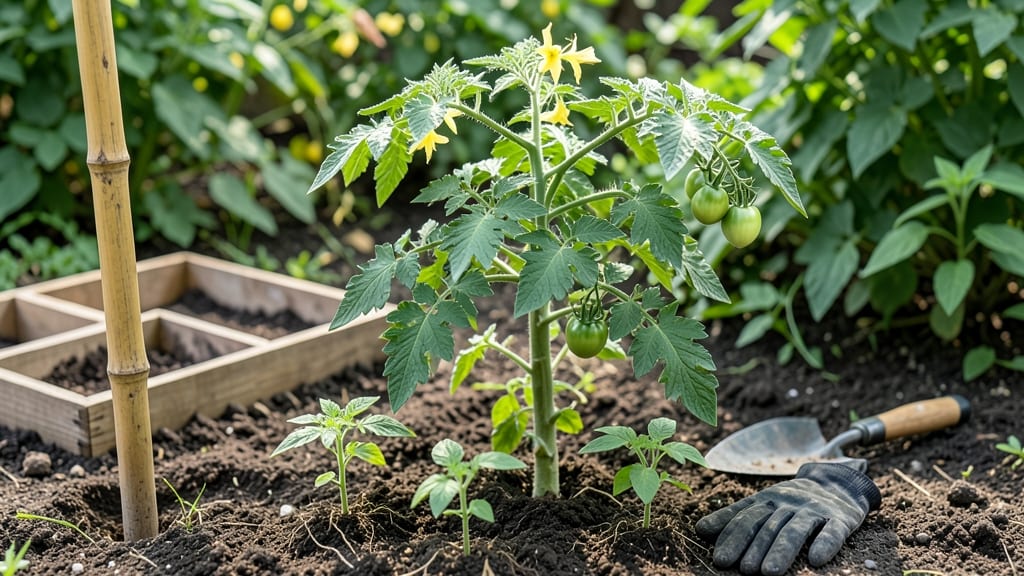
Timing when should you plant tomatoes in Ohio could mean the difference between a garden bursting with juicy 🍅 or a sad, frost-nipped disappointment.
With Ohio’s famously fickle spring weather—where last frost dates can swing by weeks—getting those seedlings in the ground too early or too late is a surefire way to waste your efforts.
I’ve learned the hard way that soil temperature and frost-free windows are the real secrets to success. Plant too soon, and a late freeze will turn your tender seedlings into sad, wilted snacks for critters.
Wait too long, and you’ll miss the 60-day window many varieties need to mature before Ohio’s first frost in October. The good news? With the right timing—and a few smart tricks—you can stretch your growing season and enjoy tomatoes from June through September.
Here’s what you need to know: The ideal window for planting tomatoes in Ohio’s USDA Zone 6a runs from mid-April to mid-May, but it’s not just about dates—it’s about soil warmth, frost predictions, and even the phase of the moon (yes, really).
I’ll break down exactly when to plant seeds versus seedlings, how to protect your plants from Ohio’s notorious late frosts, and which tomato varieties thrive in our short but sweet growing season.
Whether you’re a first-time gardener or a seasoned green thumb, these insights will help you avoid common mistakes—like planting too early or ignoring soil temperature—and set you up for a harvest that’ll make your neighbors jealous. Let’s get started.
Ohio planting zones: exact tomato planting dates by USDA Zone
Ohio’s USDA Zones 5-6 create a tricky balance for tomato growers. The last average frost date shifts from early April in southern Ohio to late May in the north. This means your planting window can vary by 6 weeks depending on where you live.
For northern Ohio (Zone 5b), the safest time to plant tomatoes is after May 15, once soil temperatures consistently reach 60°F. In southern Ohio (Zone 6a), you can start as early as April 15, but always monitor local forecasts for late frost warnings.
Here’s the golden rule for Ohio gardeners: Wait until nighttime temperatures stay above 50°F and daytime temps hit 70°F+. Cold soil stunts root growth, while early heat can stress seedlings.
🌱 Ohio Tomato Planting Guide by Zone
| Zone | Last Frost Avg. | Ideal Planting Window | Soil Temp Threshold | Notes |
|---|---|---|---|---|
| Zone 5b (North) | May 10-20 | May 20 - June 5 | 60°F+ consistently | Use row covers if planting early |
| Zone 6a (South/Central) | April 15-30 | April 25 - May 15 | 55°F+ minimum | Black plastic mulch warms soil faster |
| All Zones | N/A | June 1 (Late Backup) | 65°F+ | Choose fast-maturing varieties |
📅 Pro Tip: Check your local Ohio State Extension office for hyper-local frost data
If you’re starting seeds indoors, begin 6-8 weeks before your target outdoor planting date. For Zone 5b, that means mid-March starts, while Zone 6a gardeners can begin late February. Use grow lights to prevent leggy seedlings.
For transplanted seedlings, harden them off for 7-10 days before moving outdoors. Hardening means gradually exposing them to outdoor conditions (wind, sun, temperature swings) to avoid shock. Skip this step, and your tomato plants may wilt or stop growing.
Ohio’s short growing season (about 165 frost-free days) demands smart planning. If you miss the ideal window, consider container gardening—pots warm up faster than garden beds and can be moved to sunny spots or even indoors during heatwaves.
One common mistake? Planting too early and losing seedlings to frost. Another? Waiting too late and ending up with small, underripe tomatoes before fall frost. Balance is key—aim for late April to mid-May in most of Ohio.
For extended harvests, try succession planting: Add a second batch of seedlings 2-3 weeks after your first planting. This staggered approach ensures tomatoes ripening over 6-8 weeks instead of all at once.
Always test your soil temperature with a soil thermometer—cold soil below 55°F can delay germination by days or weeks. If your soil is too cool, use black plastic mulch to warm it up 5-10°F faster.
How to adjust planting dates for Ohio’s unpredictable weather patterns
Ohio’s unpredictable spring weather can throw off even the most careful gardening plans. One year, you might enjoy early May warmth, while the next brings late April frosts that catch you off guard. The key to success? Flexibility and protective strategies to shield your tomatoes from Mother Nature’s whims.
I’ve learned that row covers and cold frames are my best friends when Ohio’s last frost sneaks in later than expected. These tools can push your planting window 2-3 weeks earlier without risking frost damage.
For example, if your zone’s average last frost is April 15 but the forecast calls for a late freeze, a row cover lets you plant 2 weeks ahead of schedule.
⚠️ Common Mistake: Planting Without Frost Protection
Many gardeners assume their seedlings are tougher than they are. In reality, temperatures below 50°F can stunt growth or kill young plants overnight. Always check the National Weather Service for frost advisories in the 10 days before planting.
🌡️ Rule of Thumb: If nighttime temps dip below 55°F, your seedlings need protection.
For transplanting schedules, I recommend a two-step approach. First, start your seedlings indoors 6-8 weeks before your target outdoor date. Then, harden them off for 10 days before moving them outside.
This gradual transition helps them adapt to Ohio’s temperature swings, which can jump from 40°F nights to 80°F days in a single week.
If you’re dealing with early heatwaves (another Ohio specialty), opt for shade cloth during the hottest afternoon hours. Tomatoes thrive in 70-85°F but can suffer from blossom drop or sunscald when temps exceed 90°F. A 30% shade cloth can reduce stress and improve fruit set.
For extended harvests, consider succession planting with fast-maturing varieties. Plant your first batch in late April (with row covers) and a second batch in early June. This way, you’ll have tomatoes ripening from July through September, even in Ohio’s short growing season.
Finally, always keep a soil thermometer handy. Tomatoes won’t germinate well in soil below 55°F, and roots grow best when soil stays above 60°F. If your soil is too cool, black plastic mulch can raise temperatures by 5-10°F and speed up germination.