
Plants
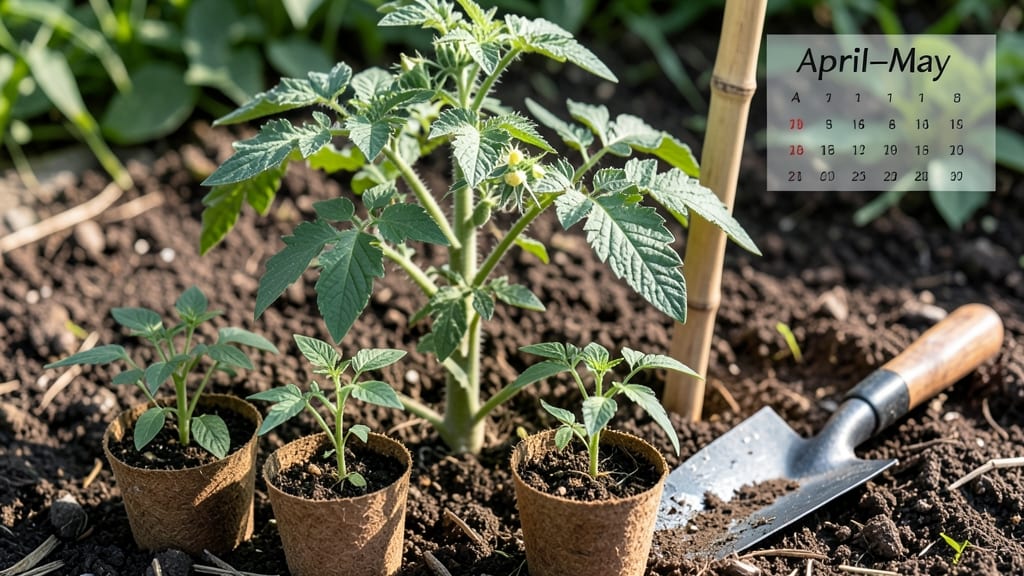
If you've ever wondered when is the best time to plant tomatoes in Ohio, timing is the secret weapon between a thriving 🍅 harvest and wasted effort.
Ohio's unpredictable spring weather means getting your tomatoes in the ground too early risks frost damage, while planting too late cuts your growing season short.
For gardeners in Zone 6a, the ideal window runs from mid-April through late May, but don't let those dates fool you. The real magic happens when soil temperatures hit 60°F and stay there consistently. This warm soil signal is what tells your seedlings it's finally safe to grow.
What makes Ohio's tomato planting so tricky is how quickly conditions can change. One year might bring an early warm spell, while another delivers late frosts that catch even experienced gardeners off guard.
That's why knowing your exact microclimate—whether you're in northern Ohio's cooler areas or the warmer southern regions—can mean the difference between a bountiful harvest and disappointment.
In this guide, I'll walk you through Ohio's frost-free window by zone, share proven strategies to protect your plants from late frosts, and recommend the fastest-maturing tomato varieties that thrive in our short growing season. Let's get those tomatoes growing the right way!
Ohio’s frost-free dates by Zone 5-6: the exact window for planting tomatoes
Ohio’s Zone 5-6 climate means your tomato planting window is short but sweet—just 165 frost-free days on average. Timing is critical because tomatoes (Solanum lycopersicum) are frost-sensitive and need warm soil to thrive.
In most of Ohio, the last average frost date falls between April 15 and May 1, but microclimates can shift this by 1-2 weeks.
For northern Ohio (Zone 5), aim to plant after May 10 to avoid late frosts. In southern Ohio (Zone 6), you can start as early as April 20 in sheltered areas.
Always check your local USDA Plant Hardiness Zone map for precise dates—Ohio’s variability means a 30-mile difference can mean 10 days of growing season.
Here’s the golden rule: Wait until soil temperatures hit 60°F (15.5°C) at a 4-inch depth. Cold soil stunts root growth, leading to blossom-end rot or weak vines.
Use a soil thermometer to confirm—don’t guess! Planting too early is riskier than waiting, especially for heirloom varieties that need more time to mature.
Ohio’s first frost typically arrives between October 10-20, so plan your harvest schedule accordingly. Fast-maturing varieties (60-70 days to harvest) are your best bet for Zone 5, while 75-90-day varieties work well in Zone 6.
Succession planting every 2 weeks after your initial date extends your harvest window.
🌱
| Zone | Avg. Last Frost | Ideal Planting Window | First Frost Risk | Soil Temp Goal |
|---|---|---|---|---|
| Zone 5 (North) | May 1–10 | May 15–June 1 | High (late frosts common) | 60°F+ (use mulch) |
| Zone 5 (South) | April 25–May 5 | May 1–15 | Moderate (check microclimates) | 60°F+ (black plastic mulch helps) |
| Zone 6 (Southwest) | April 15–25 | April 20–May 10 | Low (warmer microclimates) | 58°F+ (earlier starts possible) |
| All Zones | N/A | Indoor start (March 1) | N/A (seedlings only) | 70°F+ (optimal germination) |
📅 Pro Tip: Use Almanac’s Frost Calculator for your exact location—Ohio’s frost dates vary by 1-3 weeks!
Microclimates play a huge role in Ohio. A south-facing slope or urban heat island (like Columbus or Cincinnati) can push your planting window 10-14 days earlier. Conversely, low-lying areas or northern counties (e.g., Ashtabula, Erie) may need to wait until mid-May.
Observe your garden’s behavior for 3 years to spot patterns—frost dates shift yearly due to La Niña/El Niño cycles.
For container gardening, heat up soil faster by placing pots on black plastic or using heat mats. Containers also let you move plants to warmer microclimates (e.g., near a brick wall) if frost threatens.
Just ensure containers have drainage holes—tomatoes hate soggy roots, which invites blight and root rot.
If you’re starting seeds indoors (recommended for Ohio’s short season), begin 6-8 weeks before your last frost date. Use grow lights to provide 14-16 hours of light/day—tomatoes need longer days than natural spring sunlight. Harden off seedlings 1 week before transplanting by gradually exposing them to outdoor conditions.
Don’t overlook fall planting!
How to adjust planting time for Ohio’s unpredictable spring weather
Ohio’s spring weather is famously fickle—one day brings 60°F soil, the next delivers a surprise frost. That’s why I always adjust my tomato planting timeline based on real-time conditions rather than relying solely on average frost dates.
The key is flexibility: start seedlings indoors early, but delay outdoor planting until soil temperatures and air temperatures consistently stay above 50°F at night.
For gardeners in northern Ohio (Zone 5), I recommend waiting until May 1-15 to transplant seedlings, even if the calendar says spring has arrived. Southern Ohio (Zone 6) can often plant by mid-April, but I always verify by checking a soil thermometer—60°F is non-negotiable for tomato roots.
Cold soil slows growth and invites disease, so patience pays off.
Here’s my foolproof strategy: I use row covers or black plastic mulch to create a microclimate that warms the soil faster. A simple 30-degree row cover can protect seedlings from late frosts while still allowing sunlight through.
I’ve seen tomatoes thrive when planted in early May with this method, even in years with late frosts.
Another trick I swear by is planting fast-maturing varieties in late May if early conditions are too cold. Varieties like ‘Early Girl’ or ‘Stupice’ mature in just 60 days, giving you a harvest before fall frosts arrive. This approach minimizes risk while maximizing yield.
Don’t forget to monitor your local weather forecasts and microclimate conditions. A south-facing slope warms up faster than a shady corner, so I always plant tomatoes in the sunniest spot available.
If frost is predicted within 48 hours of transplanting, I cover seedlings with frost cloth or move potted plants to a sheltered area.
For container gardeners, flexibility is even easier. I keep my tomato seedlings in pots until late May, then transplant them into larger containers. This lets me move plants indoors or under a greenhouse if frost threatens.
Containers also warm up faster than garden beds, giving you an extra week or two of growing time.
Remember, Ohio’s growing season is short—about 165 frost-free days in most areas. Every day counts, so I prioritize soil preparation and seedling health to make the most of the time we have.
A well-prepared garden bed with compost and mulch can shave weeks off the time it takes for tomatoes to reach maturity.
⚠️ Callout Warning: Never rush planting—cold soil and late frosts are the biggest threats to tomato success in Ohio. If your seedlings look stressed or stunted after transplanting, they’re likely suffering from cold roots.
In that case, hold off for another week or two and give them the ideal conditions they need to thrive.
Planting tomatoes in cold soil (<45°F) stunts growth and invites disease. Wait until soil reaches 60°F or use black plastic mulch to warm it faster. Late frosts after transplanting can kill seedlings—always have frost cloth ready!
To stay ahead of Ohio’s unpredictable weather, I set up a garden journal to track soil temperatures, frost dates, and planting outcomes year after year. Over time, you’ll notice patterns in your specific microclimate—maybe your garden warms up faster than your neighbors’ or holds heat longer in fall.
Use this data to fine-tune your planting schedule for future seasons.
If all else fails, don’t hesitate to start over. I’ve replanted tomatoes as late as June 1 in some years and still gotten a decent harvest. While the yield might be smaller, it’s better than losing everything to frost.
The goal is to extend your growing season as much as possible, and sometimes that means adapting on the fly.
💧 With the right adjustments, Ohio’s short growing season can still deliver a bountiful tomato harvest. The key is staying flexible, monitoring conditions closely, and being ready to protect your plants when spring decides to throw a curveball.