
Companion Plants
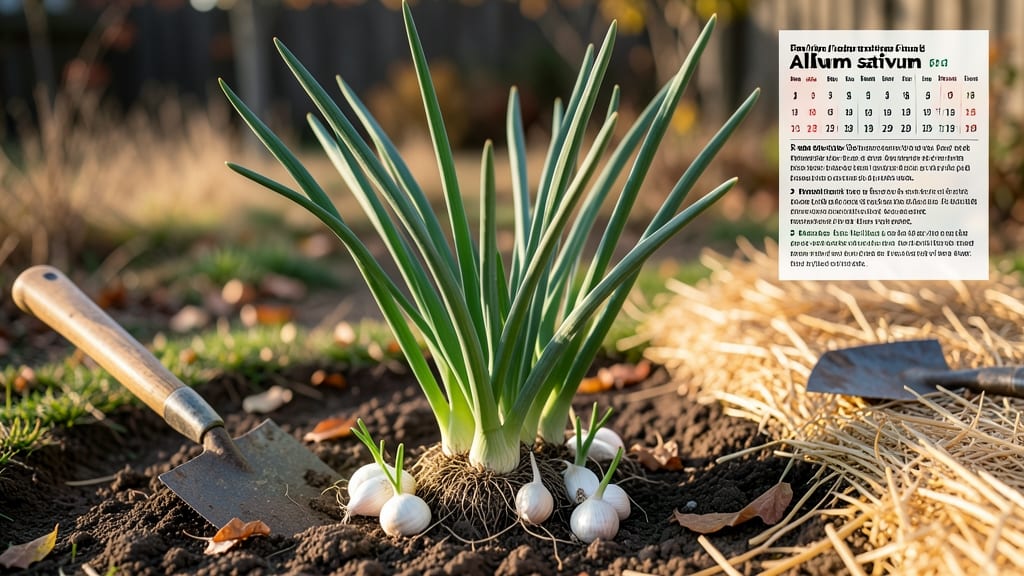
If you're wondering when to plant garlic in Zone 6, timing is everything—especially for hardneck varieties that thrive on cold. Plant too early or too late, and you might end up with weak bulbs or no harvest at all.
The key is getting those cloves into the ground 4-6 weeks before the first hard frost, which in Zone 6 typically lands in late October or early November.
Fall planting is your best bet for hardneck garlic, giving the roots time to establish before winter. But don’t stress if you miss that window—early spring (March or April) still works, though yields may be smaller.
The goal is to let the garlic experience 40-60 days of cold temperatures before actively growing again.
Why does this matter? Garlic needs that cold period to develop strong bulbs, and Zone 6’s 6a-6b climate is perfect for it. Skip the cold, and you’ll get skinny, pungent cloves instead of the plump, flavorful harvest you’re after.
Let’s break down the exact steps to nail your planting schedule and avoid common mistakes.
Ready to grow bold, hardneck garlic? I’ll walk you through the ideal planting months, soil prep, and even how to adjust for unpredictable weather. No more guesswork—just a foolproof plan for a bumper crop by mid-summer.

Best planting months for garlic in Zone 6 (hardneck varieties)
If you're growing hardneck garlic in Zone 6, timing is everything. Unlike softneck varieties, hardnecks need a cold period to form bulbs. Planting too early or late can stunt growth or prevent bulb development entirely.
The sweet spot? 4-6 weeks before the first hard frost—typically October to early November in most of Zone 6.
Zone 6 spans 6a (0°F to -10°F) and 6b (-10°F to -5°F), so your exact dates may vary slightly. For example, Columbus, Ohio (Zone 6a) might aim for late October, while Asheville, North Carolina (Zone 6b) could plant as late as early November.
Always check your local frost dates for precision.
Spring planting is possible but less reliable for hardnecks. If you miss the fall window, plant in early March—but expect smaller bulbs. Hardnecks thrive with winter chill, so spring-planted garlic often yields fewer, weaker cloves compared to fall-planted varieties.
| Planting Window | Ideal Months (Zone 6) | Soil Temp Threshold | Notes |
|---|---|---|---|
| Fall Planting | October–Early November | 40–50°F | Best for hardnecks; bulbs form over winter. |
| Spring Planting | Early March | 45–55°F | Smaller bulbs; less cold exposure. |
| Avoid Planting | Late November–February | Below 32°F | Risk of frost damage or poor root establishment. |
Hardneck garlic needs 60–90 days of cold (below 40°F) to trigger bulb formation. In Zone 6, this happens naturally during winter. Plant too late, and the cold period may be too short, resulting in small, weak bulbs or even no bulbs at all.
Use a frost calendar to pinpoint your last planting date.
Pro tip: If your fall planting window feels too short, opt for early-maturing varieties like 'German White' or 'Music'. These varieties tolerate slightly warmer soil and still produce decent-sized bulbs even with less cold exposure. Just don’t expect the same bold, flavorful cloves as late-fall plantings.
Ever wonder why some gardeners swear by planting in September? It’s a risky gamble in Zone 6. While early planting gives roots time to establish, overwintering garlic planted too soon may sprout prematurely before winter sets in, leaving it vulnerable to freeze-thaw cycles.
Stick to the 4–6 week rule before frost for best results.
For organic gardeners, fall-planted garlic benefits from compost-rich soil and mulch (like straw) to insulate roots. This protects cloves during temperature swings and reduces heaving when the ground freezes and thaws. Without mulch, bulbs can push up and expose to cold, stunting growth.
If you’re new to garlic growing, test your soil before planting. Hardnecks prefer well-draining, slightly acidic soil (pH 6.0–7.0). Amend heavy clay with compost or sand to prevent waterlogged roots, which can rot cloves before they even sprout. A simple soil test kit (under $20) saves guesswork.
Remember: Garlic is a biennial, meaning it grows leaves the first year and forms bulbs the second. In Zone 6, fall-planted garlic follows this cycle naturally, while spring-planted garlic may bolt (flower) prematurely due to longer daylight hours.
This reduces bulb size and flavor. Prioritize fall planting for the best harvest.
How to time your garlic planting for maximum yield in Zone 6
Timing your garlic planting in Zone 6 isn’t just about picking a month—it’s about syncing with your first hard frost and soil temperatures.
For hardneck varieties, the magic happens when you plant 4-6 weeks before the ground freezes, which in Zone 6 is usually late October to early November. This gives the roots time to establish before winter dormancy, setting the stage for robust bulb development.
But what if your frost date shifts? Use your average first frost date (typically mid-October in Zone 6) as your anchor. Count backward 6 weeks, and you’ve got your ideal window. For example, if frost hits October 15, aim for planting between September 21 and October 7.
Miss that window? Don’t panic—early spring (March or April) still works, though yields may be smaller.
Here’s the critical rule: Garlic needs 40-60 days of cold temperatures (32–40°F) to form strong bulbs. Zone 6’s winters deliver this perfectly, but planting too early (like September) can trigger premature sprouting, while planting too late (December+) risks shallow root growth. Balance is key!
⚠️ Warning: Planting Too Early or Late
Too Early (September): Cloves may sprout before winter, weakening roots. Fix: Use a gardening fleece to protect sprouts until frost.
Too Late (December+): Roots won’t establish deeply before freeze. Fix: Plant early spring (March) instead, but expect smaller bulbs.
After First Frost: Cloves rot in cold, wet soil. Fix: Wait for soil temps to drop to 40–50°F before planting.
Adjust for unpredictable weather by checking soil temps with a thermometer. Ideal planting temps are 40–50°F. If your soil warms up unexpectedly, delay planting until temps drop again. Pro tip: Mulch heavily (4–6 inches) after planting to insulate roots and protect against freeze-thaw cycles.
For maximum yield, pair your planting with well-draining soil and a sunny location (6+ hours of light). Add compost or aged manure before planting to boost nutrients, and avoid fresh fertilizer, which can burn cloves.
Water deeply after planting, then let nature take over—garlic thrives on moderate moisture and cold dormancy.
Remember: The earlier you plant in fall, the larger your bulbs will be. But don’t stress over perfection—even a late planting can yield edible garlic.
The key is consistency: plant at the right time, mulch well, and let winter do the work. Your reward? Bold, flavorful cloves by mid-summer!