
Plants
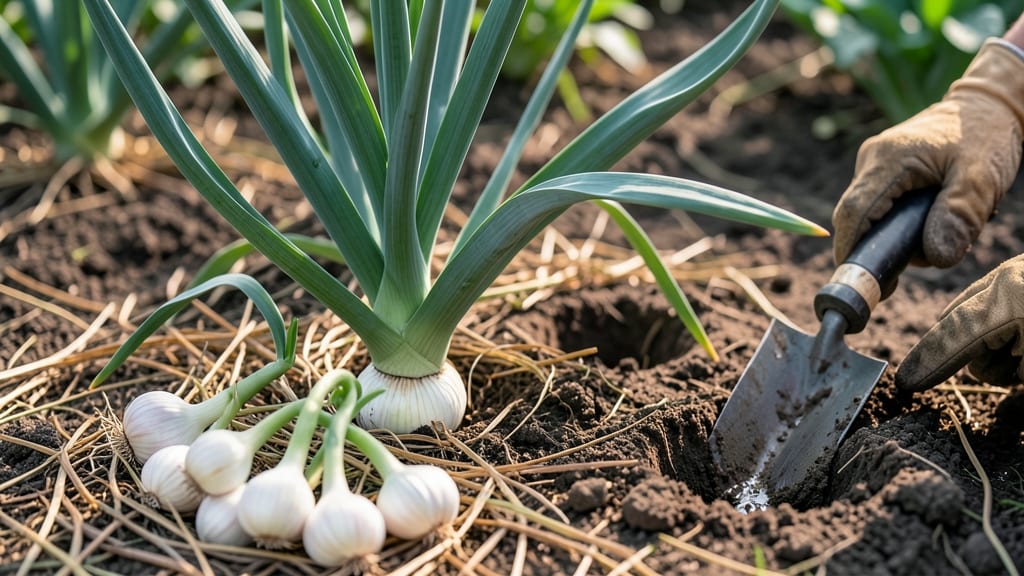
When you plant garlic in Zone 7 determines whether you'll end up with robust, flavorful bulbs or disappointing scraps—and the difference comes down to timing more than you might think. Unlike many vegetables that thrive with flexibility, garlic is a finicky crop that needs precise conditions to form those prized cloves we all love. In Zone 7's 7a-7b climate, where winters are cold but not extreme and summers are warm, getting the fall planting window just right is the secret to success.
The best time to plant 🧄 garlic in Zone 7 is between mid-October and November, giving the cloves time to establish roots before the ground freezes. This early start allows the plant to develop strong roots over winter, so it can focus on bulb formation when spring arrives.
Skipping this window means you might miss the ideal 180-210 frost-free days garlic needs to mature properly—a critical detail for gardeners aiming for that perfect harvest in late summer.
But what if you missed the fall window? Don't panic—spring planting is still an option, though it requires adjustments to compensate for the shorter growing season.
Whether you're a seasoned gardener or just starting with 🧄 garlic, understanding these timing nuances will help you avoid common pitfalls and maximize your yield. Let’s break down exactly what you need to know to plant at the perfect moment for Zone 7’s climate.
Beyond just the calendar, soil temperature and preparation play a huge role in garlic’s success.
Planting too early or too late can lead to weak growth or even failure, but with the right approach, you’ll be on your way to harvesting garlic that’s 10 times better than anything you’d find in the store. Ready to learn the exact steps to set yourself up for success?

Best months to plant garlic in Zone 7 for maximum yield
Garlic thrives in Zone 7 when planted during its optimal cold period, which means fall planting is your best bet for large, flavorful bulbs. The key is to plant 4-6 weeks before the ground freezes, typically between mid-October and early November.
This gives garlic roots time to establish before winter dormancy, ensuring strong growth when spring arrives.
Zone 7’s first frost date usually falls around mid-October, so aim to plant by early October if you live in 7a (colder end of the zone) or late October for 7b (warmer end).
Hardneck varieties, like ‘Music’ or ‘German White’, perform best with this cold treatment, while softnecks like ‘Silverskin’ can tolerate slightly later planting.
If you miss fall planting, early spring planting (February–March) is your second chance. However, spring-planted garlic often yields smaller bulbs because it lacks the cold stratification needed for full development. Still, it’s better than nothing if you’re late!
Timing matters because garlic needs 120–180 days of cool weather to form bulbs. Planting too early (like September) can lead to premature sprouting or rot, while planting too late (after November) risks shallow roots that freeze. Balance is everything!
For Zone 7a (colder microclimates like the Blue Ridge Mountains), push planting to early October to avoid early frosts. In Zone 7b (warmer areas like Atlanta or Raleigh), you might extend planting until mid-November.
Check your local USDA frost maps for precision—even a 10°F difference can shift your ideal window by weeks.
Pro tip: Use a soil thermometer to confirm temps are below 70°F before planting. Garlic roots grow best in 50–60°F soil, so waiting for cooler temps prevents early sprouting. If your soil is still warm in October, hold off until late fall!
Hardneck varieties require cold to form bulbs, while softnecks (like ‘Artichoke’) are more flexible. If you’re unsure, plant a mix—hardnecks for flavor and softnecks for storage. Just remember: fall planting = bigger bulbs, while spring planting = smaller but still edible garlic.
Once planted, mulch with 2–3 inches of straw to insulate roots during winter. This protects against freeze-thaw cycles and keeps soil temps stable. In spring, remove mulch when shoots emerge (around March) to encourage leaf growth—this is when your garlic starts its bulb-forming phase.
Harvest timing depends on your planting window: Fall-planted garlic is ready by late June–July, while spring-planted garlic may harvest as late as August. Look for brown lower leaves and a firm bulb before pulling. Miss this window, and your garlic may split or rot in the heat.
🧄 Key takeaway: In Zone 7, fall planting (October–November) is ideal for maximum yield, but spring planting (February–March) works in a pinch. Always prioritize soil temperature over calendar dates—garlic will thank you with plump, flavorful bulbs!
Best months to plant garlic in Zone 7 for maximum yield
In Zone 7, where winters are chilly but not extreme, the perfect time to plant garlic is between mid-October and November. This window ensures your cloves establish roots before the ground freezes, setting the stage for strong bulb development in spring.
Aim to plant 4-6 weeks before your first frost—typically around October 15 in Zone 7—to give garlic enough time to root without sending up shoots too early.
Garlic thrives on cold weather exposure during its early growth phase, which is why fall planting works so well. The cold helps break dormancy and encourages robust root systems.
If you plant too early (like September), your garlic might bolt prematurely, while planting too late (December or later) risks weak growth before spring. Hardneck varieties (like Rocambole or Purple Stripe) prefer this cold treatment, while softneck varieties (like Silverskin) can handle slightly later plantings but still benefit from early fall timing.
🌱Pro Tip: Use a soil thermometer to check that temperatures are consistently below 50°F (10°C) before planting. This confirms your garlic is in its ideal cold phase for root development.
🌱 Garlic Planting Timeline for Zone 7
| Stage | Action | Notes |
|---|---|---|
| Fall Planting Window | Mid-October to November | 4-6 weeks before frost |
| Soil Temperature | Below 50°F (10°C) | Ideal for root growth |
| Spring Growth | March-April | Bulb formation begins |
| Harvest Ready | Late July-August | 180-210 frost-free days |
While fall planting is ideal, you can also plant garlic in early spring (February-March), though yields may be smaller. Spring-planted garlic misses the cold treatment, so it focuses more on leaf growth than bulb development.
If you choose this route, opt for softneck varieties, which are more forgiving with timing. Just be prepared to harvest earlier, around mid-summer, to avoid bolting before the first frost.
🌿Key Consideration: Zone 7’s 180-210 frost-free days are critical. Fall-planted garlic needs this full window to mature, while spring-planted garlic may only get 120-150 days of growth, leading to smaller bulbs. Don’t skip the fall window unless you’re prepared for a trade-off in yield.
For the best results, align your planting with local frost dates and soil conditions. If you’re unsure about your exact zone within 7a-7b, check with your local cooperative extension office for precise timing tailored to your microclimate.
With the right timing, you’ll be rewarded with plump, flavorful garlic bulbs that put store-bought to shame!