
Plants
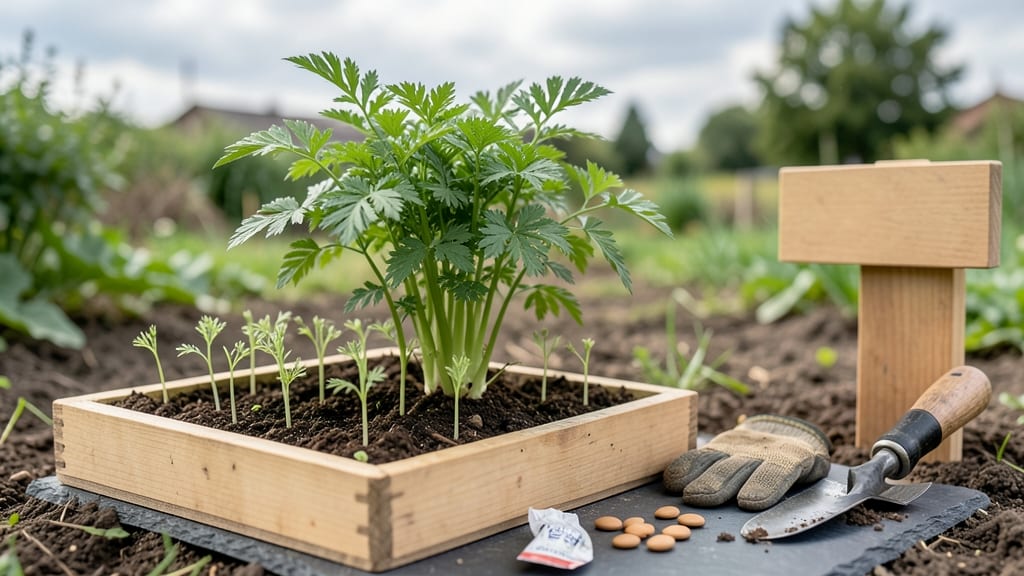
Timing your 🥕 carrot planting in East Texas isn't just about luck—it's about beating the heat and frost to grow sweet, crisp roots all season long.
If you plant too early, those tender seedlings will bolt before you get a single harvest, while late plantings risk getting nipped by the first frost. The key? Knowing exactly when to put those seeds in the ground for two perfect harvest windows: spring and fall.
Most gardeners in USDA Zone 8a swear by late February through early March for their first planting, giving carrots time to mature before summer's sweltering heat arrives. But here's the secret: August through September is your second chance for a fall harvest, when cooler temperatures create ideal growing conditions.
We'll break down the exact month-by-month schedule so you never miss a planting window again.
Don't worry if you're new to growing carrots—this isn't about complicated techniques. With the right heat-tolerant varieties and a few simple timing tricks, you'll be harvesting homegrown carrots from May through June and again in October and November.
I'll show you which varieties thrive in our Texas heat and how to extend your growing season for maximum yields.
Ready to transform your garden into a carrot-growing powerhouse? Let's dive into the precise planting schedule that'll have you enjoying fresh, homegrown carrots straight from your East Texas soil—no more guessing games, just consistent harvests all season long.
Best month-by-month planting timeline for East Texas carrots
Timing is critical for growing carrots in East Texas’s hot summers and mild winters. The key is planting when soil temperatures stay between 50°F and 85°F—any hotter, and your carrots will bolt (flower prematurely).
In East Texas’s USDA Zone 8a, this means focusing on spring and fall crops while avoiding summer heat.
Most gardeners in East Texas succeed with two main planting windows: late winter/early spring and late summer. The last frost date (around March 15) and first frost (around November 15) bookend your growing season.
By planning around these dates, you can enjoy fresh carrots from May to June and again in October to November.
For a visual guide, here’s your exact month-by-month planting schedule:
📅 East Texas Carrot Planting Timeline
| Month | Planting Window | Soil Temp | Notes |
|---|---|---|---|
| February | Start seeds indoors or direct-sow | 50–60°F | Use shade cloth if temps rise above 70°F |
| March | Direct-sow outdoors | 55–70°F | Ideal for spring harvest by May |
| April | Last chance for spring planting | 60–75°F | Risk of bolting increases after April 15 |
| August | Start seeds for fall harvest | 75–85°F | Use shade cloth to protect seedlings |
| September | Direct-sow for October harvest | 70–80°F | Avoid planting after September 20 |
| October | Final sowing for late fall | 60–70°F | Harvest before first frost (Nov 15) |
🌱 Pro Tip: Succession plant every 2–3 weeks for continuous harvests!
If you’re new to East Texas gardening, spring planting (February–March) is the easiest start. Direct-sow seeds ¼ inch deep in loose, well-draining soil with a fine texture (carrots hate compacted soil!). For fall crops, begin in August with heat-tolerant varieties like 'Danvers Half Long' or 'Nantes'.
One common mistake is planting too late in spring. After April 15, soil temperatures often exceed 80°F, causing carrots to bolt. To extend your season, use shade cloth (30–50%) over seedlings until soil cools. This trick buys you 2–3 extra weeks of safe planting in late spring.
For winter carrots, focus on October sowings. Choose varieties like 'Chantenay', which tolerate cooler temps. Mulch heavily with straw or leaves to protect roots from freeze-thaw cycles.
In East Texas, winter carrots often mature faster due to cooler temps, so harvest before November 15 to avoid frost damage.
To maximize your harvest, pair your planting schedule with succession planting. Sow a new batch every 2–3 weeks from February to March and again from August to September. This ensures a steady supply of fresh carrots without overwhelming your garden at once.
Finally, keep an eye on your soil temperature. Use a soil thermometer (available at garden centers) to confirm conditions. Carrots thrive in 50–85°F soil, but anything above 85°F triggers bolting. If your soil runs hotter, opt for shorter-day varieties or move to partial shade.
With this timeline, you’ll avoid the pitfalls of East Texas’s climate and enjoy crisp, homegrown carrots from spring through fall. Happy planting! 🥕
Best month-by-month planting timeline for East Texas carrots
East Texas’s hot summers and mild winters create a unique window for growing carrots—just 210 frost-free days between March 15 and November 15. The key is planting cool-season crops in spring and fall varieties before summer heat hits.
Miss these windows, and you’ll end up with bitter, bolted carrots or frost-damaged roots.
For spring planting, start seeds indoors or direct-sow in late February to early March when soil temperatures hover around 55–65°F. This ensures roots develop before summer’s 90°F+ heat triggers bolting. Fall planting should begin in late August for a harvest before the first frost in mid-November.
📅 Critical deadlines: Avoid planting after April 15 (spring) or before September 1 (fall), or your carrots will struggle with extreme heat or cold. Use shade cloth in late spring if temperatures spike early.
⚠️ Visual Guide: East Texas Carrot Planting Timeline
| Season | Planting Window | Soil Temp (°F) | Harvest Window | Key Tip |
|---|---|---|---|---|
| Spring | Late Feb–Early Mar | 55–65°F | May–June | Use shade cloth if temps exceed 85°F |
| Fall | Late Aug–Early Sep | 60–70°F | Oct–Nov | Mulch to retain soil moisture |
| Extended Fall | Mid-Sep | 55–65°F | Nov–Early Dec | Choose cold-hardy varieties |
If you’re aiming for a year-round harvest, stagger plantings every 2–3 weeks in spring and fall. For example, sow a batch in late February, another in mid-March, and a final one in early September. This ensures a steady supply of crisp, sweet carrots without gaps.
For container gardening, stick to short-season varieties like ‘Paris Market’ and plant in 5-gallon pots with well-draining soil. Containers warm up faster, so start them 2 weeks earlier than in-ground plantings to match soil temperature thresholds.
Pro tip: Test your soil’s pH (6.0–7.0) before planting—East Texas clay can compact easily. Amend with compost or sand to improve drainage and prevent forked roots, a common issue in heavy soils.