
Plants
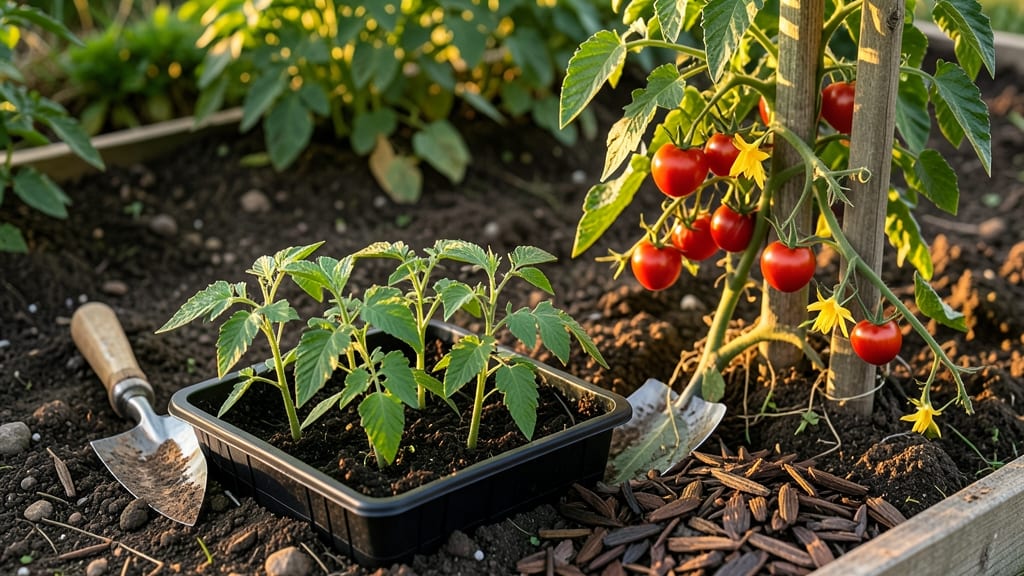
If you’ve ever wondered when to plant tomatoes in Ohio without risking frost or missing peak harvests, timing is the game-changer. Ohio’s 6a-6b zones mean the difference between a bountiful 🍅 harvest and wasted effort—especially when urban heat islands or lake-effect zones throw off the usual schedule.
Most gardeners in Ohio aim for April 15–May 15, but that’s just the starting point. Soil temperature (ideally 60°F+) and microclimates—like warmer Columbus or cooler rural areas—can shift your window by weeks. Whether you’re direct-sowing or transplanting, getting this right means more tomatoes and fewer lost plants.
I’ll break down the exact dates for your zone, plus how to adjust for containers, urban heat, or late frosts.
By the end, you’ll know not just when to plant, but how to maximize your Ohio garden’s potential—because a 6-inch difference in soil warmth can mean the difference between a 70-day harvest and a 90-day wait.
Ready to turn your tomato dreams into reality? Let’s dive into the perfect planting timeline for your Ohio microclimate—and skip the guesswork for good.
Ohio tomato planting calendar by hardiness Zone: exact dates for zones 5-6
Ohio’s USDA Zones 5b-6a create distinct tomato planting windows, but the key rule is simple: wait until soil temperatures hit 60°F+ and all frost danger passes.
In most of Ohio, this falls between mid-April and mid-May, but your exact timing depends on whether you're starting seeds indoors or transplanting young plants.
For Zone 5b (northern Ohio, including Cleveland and Toledo), aim for April 20–May 10 for transplants, while Zone 6a (southern Ohio, like Cincinnati and Columbus) can start slightly earlier, around April 10–May 5.
These dates align with Ohio State University Extension’s frost-free averages, though microclimates can shift windows by 1–2 weeks.
Direct-sowing seeds in Ohio’s garden beds is riskier—wait until May 15–June 1 to ensure soil warmth and avoid blossom-end rot from cool conditions. If you’re impatient, start seeds indoors 6–8 weeks before your last frost date (typically March 1–15 for most Ohioans).
🌱
| Zone/Method | Planting Window | Soil Temp Threshold | Key Consideration |
|---|---|---|---|
| Zone 5b (Transplants) | April 20–May 10 | 60°F+ | Use row covers for early starts |
| Zone 6a (Transplants) | April 10–May 5 | 60°F+ | Warmer microclimates allow earlier planting |
| Direct Sow (Both Zones) | May 15–June 1 | 65°F+ | Slower germination in cool soil |
| Indoor Starts | March 1–15 | 70°F+ (grow lights) | Transplant after last frost |
Pro tip: Use a soil thermometer to confirm readiness—tomato roots struggle in cooler-than-60°F soil. In northern Ohio (Zone 5b), I’ve had success planting Stupice tomatoes as early as April 25 with black plastic mulch to warm the soil faster.
For southern Ohio (Zone 6a), aim for April 15 to maximize the 165-day growing season before frost.
Container gardeners in Ohio should adjust timing by 1–2 weeks later since pots cool faster. If you’re using 5-gallon buckets, wait until May 1 to transplant, as roots need consistent warmth. Always harden off seedlings for 7–10 days before moving them outdoors to avoid transplant shock.
🌿
Ohio’s 30-day transplant window is your safety net—if frost warnings pop up, cover plants with frost blankets or move containers to sheltered spots.
I’ve lost entire heirloom tomato plants in past years by planting too early; now I track NOAA frost forecasts and set calendar reminders for April 15 (last frost average) as my hard cutoff.
For extended harvests, consider a second planting of determinate varieties (like Roma) in early July. These mature faster (60–70 days) and produce before Ohio’s first frost in mid-October. Just be prepared for shorter daylight hours in late summer, which can slow growth.
☀️
Microclimate adjustments: urban heat islands vs. rural frost zones in Ohio
Ohio’s microclimates can shift tomato planting times by 2-3 weeks, depending on whether you’re in a heat island like Columbus or a cooler valley near Youngstown.
Urban areas often hit 60°F soil temps 10 days earlier than rural zones, while lake-effect areas near Lake Erie may need delayed planting to avoid late frosts.
For example, Columbus (Zone 6a) typically plants April 20–May 5, while Cleveland (Zone 6b) near Lake Erie often waits until May 1–15 due to slower soil warming. Even within a city, south-facing urban gardens can be 5°F warmer than north-side plots, affecting transplant readiness.
| Microclimate Type | Adjustment to Planting Window | Example Ohio Location | Soil Temp Threshold |
|---|---|---|---|
| Urban Heat Island | Plant 10–14 days earlier (warmer microclimate) | Columbus, Cincinnati | 60°F by April 10–15 |
| Lake-Effect Zone | Delay by 7–10 days (late frosts) | Cleveland, Sandusky | 60°F by May 1–5 |
| Valley Microclimate | Plant 5–7 days earlier (warmer air pockets) | Zanesville, Athens | 60°F by April 20–25 |
| Hilltop/Ridge | Delay by 7–10 days (cooler nights) | Appalachian foothills | 60°F by May 5–10 |
If you’re unsure about your microclimate, use a soil thermometer to confirm 60°F+ soil temps at a 4-inch depth. In containers, soil warms faster—urban gardeners can plant 2 weeks earlier than in-ground plots. For lake-effect areas, monitor NOAA frost forecasts and consider row covers for early transplants.
Pro tip: Black plastic mulch raises soil temps by 5–10°F, letting you plant 7–10 days earlier in cooler zones. Just remove it after harvest to prevent winter weeds. For late frosts, opt for cold-hardy varieties like 'Stupice' or 'Mountain Merit' to extend your window.
Ohio’s microclimate diversity means your neighbor’s perfect timing might not work for you. Use these adjustments to fine-tune your schedule—because in gardening, location matters more than luck.