
Plants
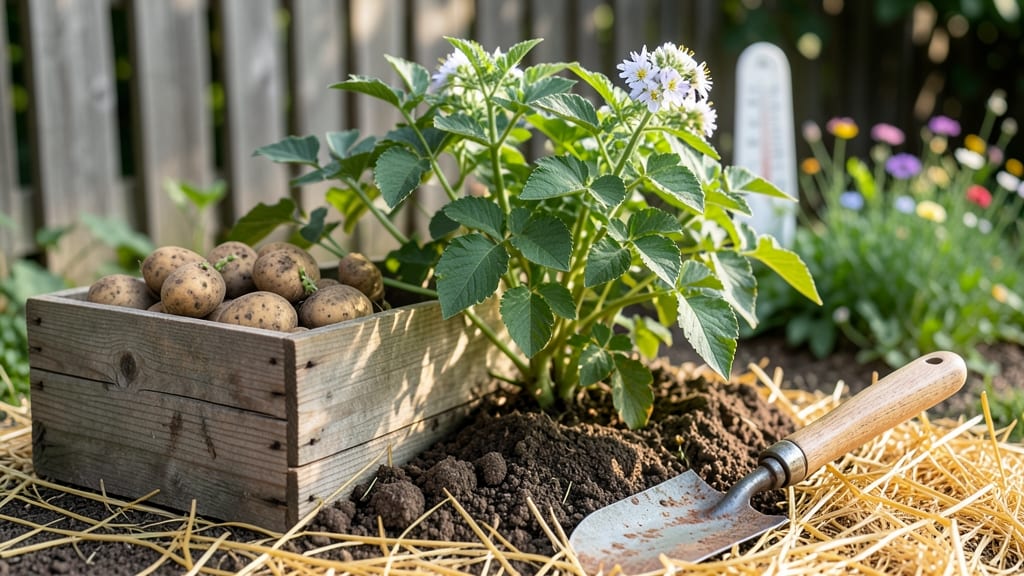
If you’ve ever wondered when is the best time to plant potatoes in Texas, you’re not alone—Texas gardeners face unique challenges with its scorching summers and unpredictable frost dates.
The wrong timing can mean wilted plants or stunted harvests, but get it right, and you’ll enjoy a bountiful crop of 🥔 even in the heat.
The key to success lies in understanding your specific zone—whether you’re in North Texas (Zones 8a-9a) or South/Central Texas (Zones 9b-11). Planting too early risks frost damage, while waiting too long can leave your potatoes struggling in the heat.
I’ll break down the exact months to plant for your region, so you can avoid common mistakes and maximize your yield.
Beyond timing, choosing the right heat-resistant varieties makes all the difference. Some potatoes simply can’t handle Texas summers, but the best varieties thrive in our climate.
You’ll also learn how to prep your soil and water properly to give your potatoes the best start—because even the perfect timing won’t help if the conditions aren’t right.
Let’s dive into the best planting windows, the top varieties for Texas, and the simple steps to ensure your potatoes grow strong and healthy. Ready to turn your garden into a potato powerhouse?
Optimal planting months for Texas potatoes: exact timing by region
Texas' diverse climate means potato planting windows vary dramatically from North to South. In Zone 8a (Panhandle, North Texas), your last frost typically hits mid-March, so aim to plant late February to early March.
Meanwhile, South Texas (Zones 10a-11) has no frost risk, allowing year-round planting—but January-February is ideal for best yields.
Central Texas (Zones 9a-9b) falls in between, with planting windows from mid-January to late February. The key is soil temperature: potatoes thrive when soil reaches 45°F (7°C).
Use a soil thermometer to confirm—cold soil delays sprouting and invites rot. Heat-resistant varieties like 'Red LaSoda' can handle 80°F+ soil better than standard types.
For fall planting, only South Texas gardeners can attempt it (September-October), but yields are 50% lower due to shorter daylight. Most Texas growers stick to spring planting for reliable harvests. Pro tip: Chit your seed potatoes (pre-sprout indoors) 4-6 weeks before planting to jumpstart growth in cooler zones.
🌱
Timing isn't just about frost—it's also about daylight length. Potatoes need 14+ hours of daylight to thrive, which is why North Texas benefits from early spring planting (March).
In South Texas, where days are long year-round, you can plant anytime, but yields peak in January-February when temps are mild.
For container growing, adjust timing by 2-3 weeks earlier—pots warm faster. Place containers near south-facing walls to maximize heat absorption.
In Zone 8a, I've had success planting early varieties like 'Yukon Gold' in late March for a summer harvest, but this requires daily shade cloth during 100°F+ days.
💧
One critical mistake Texas gardeners make is planting too early in hopes of beating the heat. Cold soil + warm air = rot-prone tubers. Instead, wait until you can dig 6 inches deep and feel consistent warmth.
In North Texas, this often means delaying until late March, even if it feels late. Heat-tolerant varieties like 'Sweetheart' can handle 90°F+ soil better than standard types.
Pro tip: Mulch heavily (4-6 inches of straw) after planting to retain soil moisture and moderate temperature swings. In South Texas, where soil can hit 100°F+, mulch is non-negotiable—it's the difference between a 50-lb harvest and shriveled tubers.
I've seen 3x yield improvements just by adding mulch in Zone 10a.
☀️
Optimal planting months for Texas potatoes: exact timing by region
Texas’ diverse climate means North Texas gardeners (Zones 8a-9a) and South/Central Texas growers (Zones 9b-11) need different strategies. The last frost date is your golden rule—plant 4-6 weeks before it to avoid frost damage while giving tubers time to mature before summer heat peaks.
For North Texas, aim for late February to early April. This window ensures soil warms to 45-50°F, ideal for sprouting.
In South/Central Texas, you can plant as early as January to February—no frost risk here, but don’t delay past early March or your potatoes may struggle with 90°F+ temperatures.
🌱 Key Insight: Texas’ heat means early varieties (60-70 days to harvest) are your best bet. Plant them first in February, then follow with mid-season varieties (70-90 days) in March to stagger harvests and avoid summer stress.
| Region | USDA Zone | Last Frost Date | Best Planting Window | Soil Temp Goal |
|---|---|---|---|---|
| North Texas | 8a-9a | Feb 15 - Mar 15 | Late Feb - Early Apr | 45-50°F |
| Central Texas | 9b | Jan 15 - Feb 15 | Jan - Early Mar | 50-55°F |
| South Texas | 10a-11 | No frost | Jan - Feb | 55-60°F |
🌡️ Pro Tip: Use a soil thermometer to confirm temps—cold soil delays sprouting!
If you’re in Zone 10a or 11, you can even plant a fall crop in September for a winter harvest. Just choose heat-tolerant varieties like ‘Red LaSoda’ and keep soil consistently moist to prevent tuber stress.
For container growing, plant 4-6 weeks earlier than ground planting—pots warm up faster. Place containers in full sun (6+ hours) and use well-draining mix to prevent rot. In South Texas, provide afternoon shade in peak summer to protect tubers from overheating.
Timing isn’t just about months—it’s about soil conditions. Test your soil’s pH (5.0-6.5 ideal) and amend with compost or aged manure before planting. Well-drained soil is non-negotiable in Texas’ heavy clay or sandy soils—mix in organic matter to improve structure and water retention.