
Plants
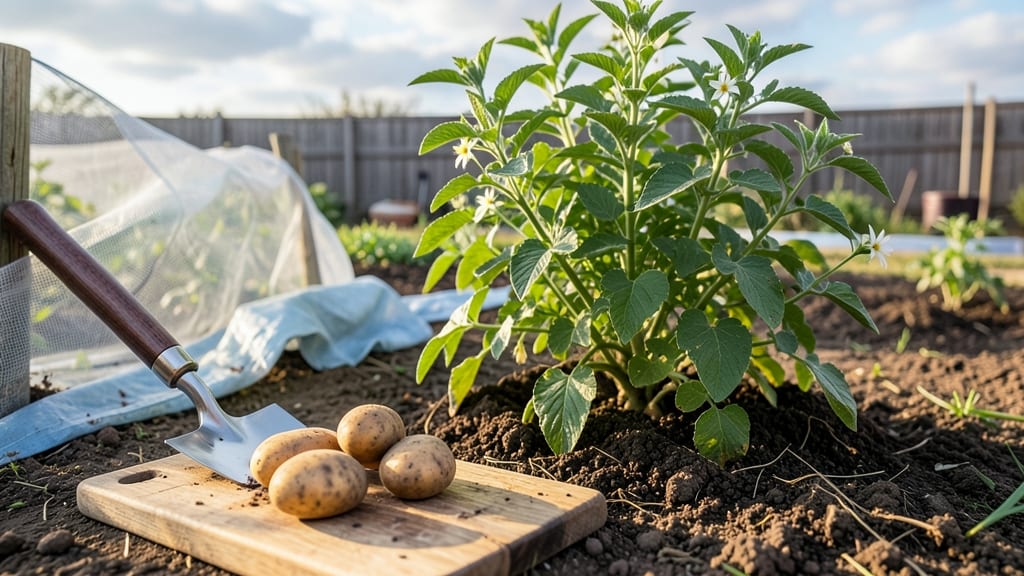
Planting fall potatoes in Texas is all about beating the heat and frost—get the timing wrong, and you’ll either fry your spuds or lose them to early cold.
The perfect window is mid-August to early September, when soil temps cool enough to prevent bolting but still give your 🥔 enough time to mature before winter sets in.
Why does this matter? Because Texas gardeners know that a late-September harvest means crisp, homegrown potatoes for Thanksgiving—or nothing at all if frost hits too soon. The key is understanding your zone (8a-11) and adjusting for local frost dates, which can vary wildly from North to South Texas.
I’ll break down exactly when to plant based on your region, plus how to pick the right varieties and prep your soil for success. No more guessing—just reliable harvests every fall.
Ready to grow potatoes that outlast the heat? Let’s dive into the zone-specific schedule that’ll have you digging up spuds just in time for your favorite recipes.
Texas fall potato planting calendar by hardiness zone (7a-9b)
Texas spans multiple USDA hardiness zones, from 7a in the Panhandle to 9b in the Rio Grande Valley, meaning frost dates vary dramatically. For fall potatoes, timing is critical—plant too early, and your spuds bolt in the heat; too late, and frost ruins your harvest.
The key is planting 4-6 weeks before your first frost date while ensuring soil temps stay above 45°F (7°C).
North Texas (zones 7a-8a) has earlier frosts, while South Texas (zones 8b-9b) can often push harvests into December. I’ll break down the optimal planting windows for each zone, including soil prep tips and frost protection strategies to maximize your yield. No more guessing—just data-driven timing for Texas gardeners!
Pro Tip: Use a soil thermometer to confirm temps are above 50°F (10°C) before planting—cold soil delays germination, even if air temps are warm.
Notice how South Texas zones (9a-9b) can push harvests into January? That’s because warmer winters delay frost. But even in these zones, a hard freeze (below 28°F/-2°C) will damage tubers, so monitor local forecasts. For zones 7a-8a, aim to harvest by Thanksgiving to avoid early cold snaps.
For North Texas gardeners, I recommend planting Yukon Gold or Red Pontiac—these varieties mature in 90 days, giving you a harvest before the first frost.
In South Texas, slower-maturing varieties like German Butterball can stretch your season, but plant them no later than mid-September to avoid heat stress.
Soil preparation is just as critical as timing. Test your soil’s pH (6.0–6.5) and amend with compost or aged manure before planting. Potatoes thrive in loose, well-draining soil
Texas fall potato planting calendar by hardiness zone (7a-9b)
Texas spans multiple hardiness zones, each with its own frost dates and ideal planting windows. In Zone 7a-8a (North Texas), your last frost typically arrives by November 1, while Zone 9a-9b (South Texas) can handle potatoes until December 15—a critical difference for timing.
To avoid heat stress or frost damage, plant 4-6 weeks before your first frost date. This means mid-August for North Texas and early September for South Texas. The goal? A 90-day harvest window before winter sets in.
Here’s the breakdown by zone, including soil temps and harvest timelines to keep your potatoes thriving:
| Zone | Planting Window | Soil Temp | First Frost | Harvest Time |
|---|---|---|---|---|
| 7a (North Texas) | Mid-August | 60-65°F | November 1 | Late October |
| 8a (Central Texas) | Late August | 65-70°F | November 15 | Mid-November |
| 9a (South Texas) | Early September | 70-75°F | December 1 | Early December |
| 9b (Deep South TX) | Late August | 70-75°F | December 15 | Mid-December |
Pro tip: Use a soil thermometer to confirm temps—potatoes won’t sprout below 50°F. If your soil is too hot, wait until nighttime temps drop below 85°F to plant.
For Zone 10-11, fall planting isn’t ideal due to mild winters, but you can try short-season varieties like ‘Red Norland’ in late September for a winter harvest before spring heat returns.
Now that you’ve got your zone locked in, the next step is choosing the right varieties and protecting your crop from Texas’s unpredictable frost. Let’s tackle that next!