
Plants
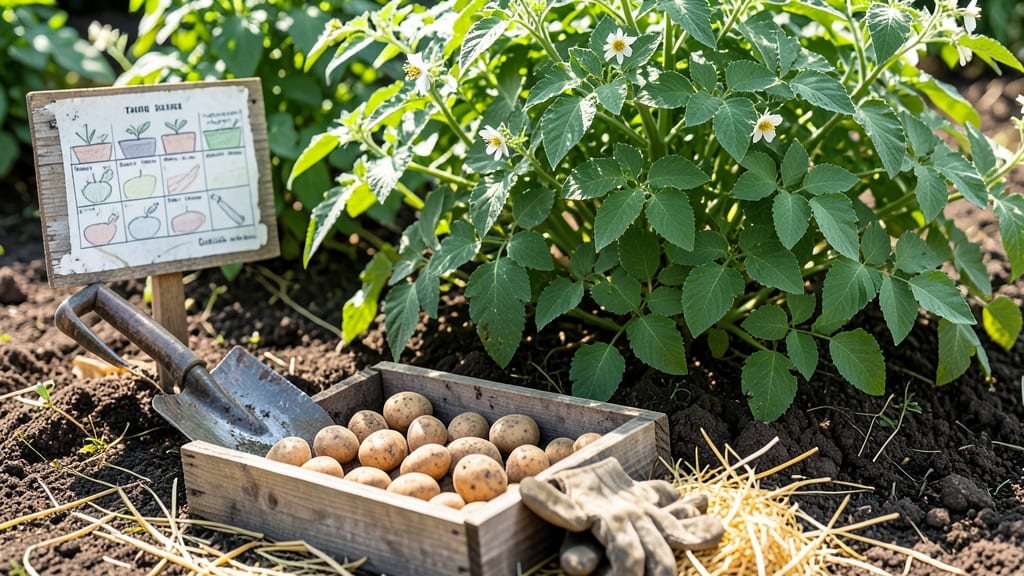
The best time to plant potatoes in Georgia isn't just about the calendar—it's about beating frost and avoiding blight. With USDA zones 7b-8a offering a long growing season, you've got two prime windows: early spring (February-March) or late spring (April-May).
Plant too early, and frost will wreck your crop; too late, and disease might cut your harvest short.
I've learned the hard way that timing matters more than most gardeners realize. Georgia's warm climate gives you flexibility, but local microclimates can shift those ideal dates by weeks.
Whether you're in the mountains or coastal plains, knowing when to get those 🥔 sprouts in the ground makes all the difference between a modest yield and a garden full of potatoes.
Let me show you exactly how to sync your planting with Georgia's climate—from soil temperature checks to variety selection. You'll discover which potatoes thrive in our heat and how to stretch your growing season for fall harvests. Ready to grow more potatoes with less guesswork?
We'll cover everything from soil prep to spacing, so you can maximize your harvest. Whether you're a first-time gardener or a seasoned pro, these insights will help you plant potatoes at the perfect moment for your Georgia garden.
Georgia’s ideal potato planting windows: spring vs fall timing breakdown
Georgia’s USDA Zones 7b-8a offer two prime windows for planting potatoes: early spring and fall. Each season brings unique advantages, but timing depends on your region—North Georgia’s cooler climate differs from South Georgia’s warmth.
Let’s break down the best planting times to maximize your potato yield and avoid common pitfalls.
For spring planting, aim for February to early March in South Georgia, where soil warms faster. North Georgia gardeners should wait until late March to April to avoid frost damage.
The key is planting 4-6 weeks before your last frost date—typically around March 15 for most of the state. This gives tubers time to establish before hot summer conditions arrive.
Fall planting is less common but works well for late-season varieties. Start late July to early August, allowing tubers to mature before the first frost (November 15). This method extends your harvest but requires fast-maturing varieties like Yukon Gold or Red Pontiac to avoid blight risks.
Soil temperature is critical—potatoes thrive when soil reaches 45°F. Use a soil thermometer to check depth; cold soil delays sprouting. In North Georgia, wait until soil warms to 50°F for reliable germination. South Georgia’s earlier start means faster growth, but watch for early blight if planting too soon.
Here’s how regional differences impact timing:
| Factor | North Georgia (Zones 7b) | South Georgia (Zones 8a) |
|---|---|---|
| Spring Planting Window | Late March–April | February–Early March |
| Ideal Soil Temp | 50°F+ | 45°F+ |
| Fall Planting Window | Late July–Early August | Early August–Mid-August |
| Key Varieties | Kennebec, Red LaSoda | Yukon Gold, Purple Viking |
| Biggest Risk | Late frost | Early blight |
Spring-planted potatoes in Georgia typically harvest in May–July, while fall crops mature by June–August. The trade-off? Spring yields more tubers, but fall planting avoids summer blight and extends your harvest season.
For maximum yield, I recommend planting both spring and fall crops—just choose early-maturing varieties for fall to beat the frost.
Pro tip: Use row covers in early spring to protect young plants from unpredictable frosts. In North Georgia, this can push your planting window back by 2–3 weeks. For South Georgia, focus on soil moisture—dry spells in spring can stunt tuber growth, so mulch heavily after planting.
Another critical factor is seed potato quality. Plant certified disease-free seed potatoes from reputable suppliers. Avoid grocery-store potatoes—they’re treated to prevent sprouting and may carry diseases like late blight.
Cut larger seed potatoes into 2-inch chunks with at least one eye per piece, let them cure for 24 hours, and plant cuts-side down.
Finally, adjust your timing based on weather forecasts. If a cold snap is predicted, delay planting until temperatures stabilize. For South Georgia, this might mean waiting until mid-March instead of February. Always prioritize soil warmth over calendar dates—your potatoes will thank you with a bountiful harvest!
🌱
Georgia’s ideal potato planting windows: spring vs fall timing breakdown
Georgia’s USDA zones 7b-8a give you two clear windows for planting potatoes: early spring and late spring. The first window (February-March) works for cold-hardy varieties like Yukon Gold, while the second window (April-May) suits heat-tolerant types like Red Pontiac.
Both aim to beat Georgia’s last frost date (around March 15 in most regions), but timing varies by microclimate.
For fall crops, plant again in late July-August for a harvest before the first frost (around November 15). This works best in South Georgia, where summers stay hot longer.
In North Georgia, fall planting risks disease due to shorter daylight. Always check your local frost dates—even a few degrees can mean the difference between success and failure.
🌱 Key Takeaway: Spring planting is safer for beginners, while fall planting rewards experienced gardeners with a second harvest. Here’s how to choose:
| Planting Window | Best Varieties | Soil Temp | Frost Risk | Harvest Time |
|---|---|---|---|---|
| Early Spring (Feb-Mar) | Yukon Gold, Kennebec | 45-55°F | High (if planted too early) | May-July |
| Late Spring (Apr-May) | Red Pontiac, Purple Viking | 50-60°F | Low (after last frost) | June-August |
| Fall (Jul-Aug) | Red LaSoda, Irish Cobbler | 60-70°F | Moderate (North GA) | Oct-Nov |
North Georgia’s cooler microclimates (like the Blue Ridge Mountains) need to plant 2-3 weeks later than South Georgia’s coastal plains. Use a soil thermometer—potatoes won’t sprout until soil hits 45°F.
If your soil is too cold, wait or use row covers to warm it faster. I’ve seen gardeners rush planting in January only to lose their crop to frost—don’t make that mistake!
For fall planting, focus on early-maturing varieties (90-day harvest) to beat frost. Start seeds indoors in late June and transplant by July 15 for a late-October harvest.
In South Georgia, you might even squeeze in a third crop by planting in early September—just be prepared to harvest quickly before temperatures drop.
Pro tip: Chit your seed potatoes (sprout them indoors) 4-6 weeks before planting. This gives you a 2-week head start on growth once they’re in the ground. I’ve found chitted potatoes emerge 3x faster than unchitted ones, especially in Georgia’s humid climate where mold can be an issue.
Always rotate crops—never plant potatoes in the same spot two years in a row. Georgia’s soil can harbor verticillium wilt or potato scab, which thrive in warm, moist conditions. If you’re new to gardening, start with 10-15 plants to test your timing before scaling up.
Even a 1-week delay can mean the difference between a 50-lb harvest and a 10-lb disappointment.