
Plants
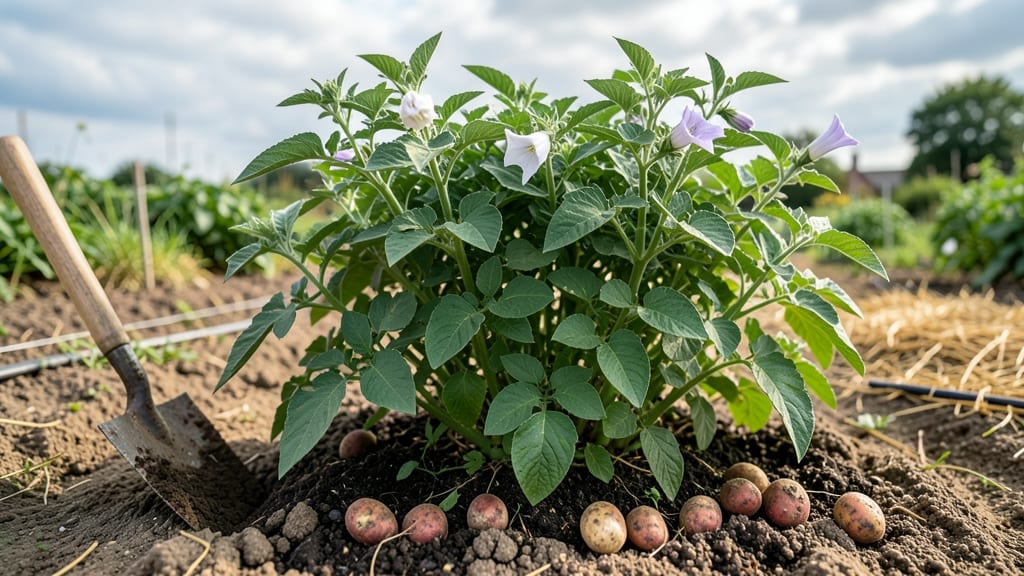
Planting potatoes in Australia at the wrong time can mean the difference between a fast, bountiful harvest and months of waiting for half-sized tubers.
Unlike other crops, timing isn't just about seasons—it's about understanding your state's microclimate, from frost-free coastal areas to high-altitude valleys where soil stays cold for weeks longer.
I've seen gardeners in Queensland rush to plant in March only to watch their 🥔 sprouts rot in the heat, while their neighbors in Tasmania wait until May and still get early harvests. The secret?
Knowing when your soil warms to 10°C (50°F)—that's the magic threshold where roots actually grow. Let me show you exactly when to plant in each state for maximum speed and yield.
We'll cover the best months for your region, how to adjust for late frosts or early heatwaves, and the 3 critical mistakes that delay harvests by 6-8 weeks. Whether you're growing seed potatoes or pre-sprouted tubers, these insights will help you time your planting perfectly for your local conditions.
Ready to grow potatoes that reach harvest size in just 75 days instead of 90? Let's dive into the precise planting windows that work for Australian gardens—no more guessing, just proven results for your climate.
Best planting months for potatoes in Australia by state and microclimate
Australia’s diverse climates mean potato planting times vary dramatically from tropical Queensland to frost-prone Tasmania. Unlike temperate zones, where spring is the golden window, Australian gardeners must account for soil temperatures, frost risks, and even rainfall patterns.
For example, in New South Wales, early varieties can go in as soon as late winter, while Western Australia’s Mediterranean climate demands autumn planting. Let’s break it down by state to avoid common pitfalls like rot from late planting or frost damage.
First, check your last frost date—this is your planting deadline. In Victoria, for instance, frost can linger until late September in inland areas, while coastal regions like Sydney are frost-free by early August.
For South Australia, high-altitude regions (e.g., Adelaide Hills) need to wait until after October 1, while coastal Adelaide can start in late August. Tropical Queensland and Northern NSW are exceptions—here, potatoes thrive in cooler months (May–July) to escape summer heat.
Soil temperature is your second critical factor. Potatoes won’t sprout until soil reaches 8–10°C (46–50°F). Use a soil thermometer to test: in Tasmania, this might mean waiting until November, while Perth can plant by late March.
Pro tip: Black plastic mulch can warm soil by 5–10°C in cooler regions, extending your planting window by 2–4 weeks.
Now, let’s dive into the state-by-state breakdown with frost-free dates, ideal planting windows, and variety recommendations to maximize your harvest.
| State | Frost-Free Window | Ideal Planting Months | Soil Temp Threshold | Best Varieties |
|---|---|---|---|---|
| NSW (Sydney) | Early Aug–Late Sept | Aug–Sept (early), Oct (late) | 8–10°C (46–50°F) | Sebago, Desiree, Kennebec |
| VIC (Melbourne) | Late Aug–Early Oct | Sept–Oct (early), Nov (late) | 9–11°C (48–52°F) | Pink Fir Apple, Maris Piper |
| QLD (Brisbane) | May–July (cool season) | May–June | 12–15°C (54–59°F) | Red Rascal, Nicola |
| WA (Perth) | Late Mar–Early May | Mar–Apr (autumn) | 10–12°C (50–54°F) | Sassicaia, Lady Christl |
| SA (Adelaide) | Late Aug–Early Oct | Sept–Oct (early), Nov (late) | 8–10°C (46–50°F) | International Kidney, Golden Wonder |
| TAS (Hobart) | Late Sept–Early Nov | Oct–Nov (spring) | 9–11°C (48–52°F) | Cippolini, Red Pontiac |
How to adjust planting times for faster potato growth in different climates
Australia’s diverse climates mean your potato planting window can vary by 6-8 weeks between regions. In tropical Queensland, you might plant in May-June to avoid summer heat stress, while gardeners in Victoria’s high country wait until October for soil to warm.
The key? Adjusting for your local soil temperature and day length—not just calendar months.
For faster growth, aim to plant when your soil reaches 10°C (50°F)—this triggers root development. Use a soil thermometer to check, or look for worm activity as a natural indicator.
In cooler climates like Tasmania, I’ve seen gardeners use black plastic mulch to warm soil by 2-3°C earlier in the season, shaving 3 weeks off the growing time.
Another trick is choosing early-maturing varieties like ‘Rocket’ or ‘Swift’ for tropical areas, where heat can slow growth after just 60 days. In temperate zones, mid-season types like ‘Bonita’ thrive with 75-90 days to harvest.
The wrong variety in the wrong climate? You’ll end up with small, misshapen tubers or even no harvest at all.
🌱
High-altitude areas like the Australian Alps or Grampians often have cooler soils that delay planting. Here, I recommend starting with pre-sprouted tubers in protected microclimates—like north-facing slopes or greenhouse beds—to give them a 2-week head start before the last frost.
Even in these areas, you can still aim for harvests by Christmas if you time it right.
Watering strategies also change by climate. In arid zones like Western Australia, I’ve had success with drip irrigation set to deliver 25mm of water per week to prevent tuber stress.
Meanwhile, in humid Queensland, I focus on morning watering to reduce fungal risks. The goal? Keep soil consistently moist but never waterlogged—this ensures even tuber formation and faster growth.
💧
Pro tip: If you’re in a transition zone (like parts of NSW or SA), monitor your local Bureau of Meteorology forecasts for soil temperature alerts. These can give you a 5-day warning when conditions are perfect for planting, letting you adjust your schedule for optimal growth speed.
With these adjustments, you’ll shave 10-15 days off your harvest time—no matter where you garden in Australia.