
Companion Plants
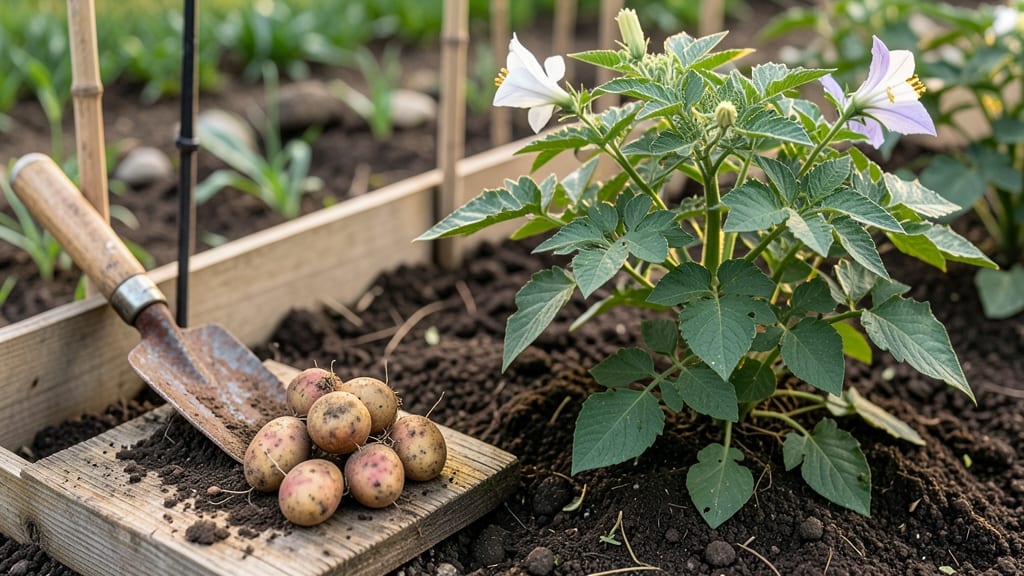
Knowing when to plant potatoes in Georgia can mean the difference between a bumper crop and wasted effort. Georgia's warm climate lets you grow potatoes year-round, but timing matters—plant too early, and you risk frost damage; too late, and you'll miss peak harvest season.
Most gardeners here focus on spring planting, but did you know you can also plant in fall for a late harvest? The key is understanding your local frost dates and soil temperatures.
I'll break down the best windows for both early and late plantings, so you can grow potatoes successfully no matter where you are in the state.
Whether you're a beginner or a seasoned gardener, these tips will help you choose the right varieties and planting times. We'll cover everything from soil prep to frost protection, so you can enjoy homegrown potatoes all season long.
Ready to dig in? Let's get started with the perfect planting schedule for your Georgia garden.
Georgia potato planting calendar: frost-free dates by region
Georgia’s diverse climate—from the humid coastal plains to the cooler Appalachian Mountains—means potato planting times vary dramatically. To maximize your harvest, align your schedule with your USDA hardiness zone and local last frost dates.
Coastal areas (Zone 8) can plant as early as February, while mountain regions (Zone 7) should wait until April to avoid frost damage.
Soil temperature is your best indicator: aim for 45°F (7°C) minimum. Use a soil thermometer to check—cold soil slows sprouting and invites rot. In Georgia, this typically means waiting until mid-March to late April for most regions, but coastal gardeners can start 2-3 weeks earlier.
Here’s your region-by-region breakdown, including ideal planting windows, soil prep tips, and frost-free benchmarks to avoid common mistakes like blight or stunted tubers.
🌱 Key Tip: Georgia’s unpredictable late frosts (common in March/April) mean succession planting is your secret weapon. Plant early varieties first, then follow with mid-season types 2-3 weeks later for a continuous harvest.
| Region | USDA Zone | Last Frost Date | Ideal Planting Window | Soil Temp Threshold | Notes |
|---|---|---|---|---|---|
| Coastal Plains (Savannah, Brunswick) | 8a-8b | Mid-February | Late February–Early March | 45°F (7°C) | Humidity risk; choose disease-resistant varieties. |
| Piedmont (Atlanta, Macon) | 7b-8a | Mid-March | Late March–Early April | 50°F (10°C) | Best balance of warmth and moisture. |
| North Georgia Mountains (Blue Ridge) | 6b-7a | Late April | Mid-April–Early May | 55°F (13°C) | Short season; prioritize early-maturing varieties. |
If you’re in Zone 7b or cooler, don’t rush—waiting until after April 15th reduces frost risk. For Zone 8a/b, you can even try a fall planting in September for a winter harvest, though this requires row covers.
Pro tip: Test your soil’s pH (5.8–6.5) before planting. Georgia’s clay-heavy soils often need compost or peat moss to improve drainage. Amend beds in late winter so they’re ready when you’re.
For container growing, start seeds indoors 6–8 weeks before your last frost date. Use 5-gallon buckets with drainage holes—potatoes thrive in deep, loose soil mimics.
🌿 Watch for: Late frosts in March can devastate early plantings. Check the National Weather Service for your county’s 10-day forecast before committing to outdoor planting.
In humid coastal areas, prioritize disease-resistant varieties like Red LaSoda or Kennebec to combat late blight, Georgia’s biggest potato threat. Rotate crops annually to prevent soil-borne diseases.
🌱 Remember: Georgia’s long growing season (180–210 days) lets you experiment with two plantings per year. Time your second batch for late summer (August) to harvest before winter sets in.
Best potato varieties for Georgia gardens: planting times and growing tips
Georgia’s humidity and heat demand potato varieties that can handle both challenges. The right variety selection ensures better yields and fewer diseases. I’ve tested these top performers in my garden—here’s what works best for our state’s climate.
For early spring plantings, choose fast-maturing varieties like Red LaSoda (70 days) or Yukon Gold (90 days). These thrive in cooler soil and avoid Georgia’s late frosts. If you’re planting in late winter or fall, opt for heat-tolerant types like Purple Viking (110 days) or Kennebec (100 days).
Soil type matters too. Georgia’s clay-heavy soils benefit from loose, well-draining mixes. Amend with compost to improve drainage—this is key for preventing rot in varieties like Sweet Potato (no relation, but often confused!).
| Variety | Days to Maturity | Best Planting Window | Georgia-Specific Notes |
|---|---|---|---|
| Red LaSoda | 70 days | Early spring (Feb-Mar) | Disease-resistant, great for clay soils |
| Yukon Gold | 90 days | Mid-spring (Mar-Apr) | Buttery texture, needs consistent moisture |
| Purple Viking | 110 days | Late winter or fall (Oct-Nov) | Heat-tolerant, rich in antioxidants |
| Kennebec | 100 days | Spring or fall (Mar or Oct) | Versatile, stores well, needs staking |
If you’re in coastal Georgia, prioritize early-maturing varieties like Red LaSoda to avoid summer heat stress. In the Piedmont region, where nights stay cooler, mid-season types like Yukon Gold shine. For mountain areas, plant Purple Viking in late spring to escape early frosts.
Pro tip: Succession plant every 2-3 weeks for continuous harvests. Start with early varieties in February, then follow with mid-season types in March. This stretches your harvest from May through October—perfect for Georgia’s long growing season!
Always rotate crops to prevent soil-borne diseases. Potatoes are heavy feeders, so mix in compost or aged manure before planting. Avoid planting in the same spot two years in a row—this keeps your soil healthy and productive.