
Plants
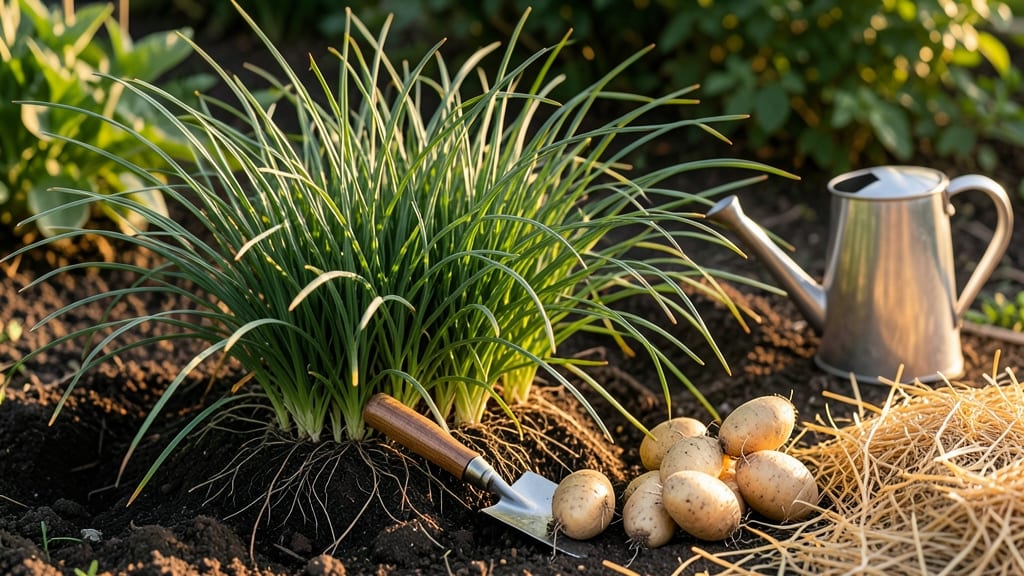
Planting chufa 🌾 in Georgia isn’t just about timing—it’s about unlocking those sweet, crunchy tubers with minimal fuss. The key to fast germination and drought-resistant growth lies in those warm, late-spring months when the soil finally warms up past 65°F.
If you’ve ever struggled with soggy soil or uneven sprouts, you’re not alone—Georgia’s humidity and heat can throw off even the most eager gardeners. But here’s the game-changer: planting between April and June gives chufa the perfect head start before summer’s intensity kicks in.
I’ll show you exactly how to time it right for your zone—whether you’re in North GA’s cooler hills or South GA’s steamy lowlands. With just 3 simple steps, you’ll avoid the most common mistakes and set your chufa up for a bumper harvest by fall.
Ready to skip the guesswork? Let’s dive into the ideal planting window that’ll have your chufa thriving in no time.
Best planting months for chufa in Georgia’s climate zones
Georgia’s USDA zones 7b-8a create perfect conditions for chufa growth, but timing is everything. The ideal planting window balances soil warmth, rainfall patterns, and drought resistance.
In North Georgia (7b), aim for late May to early June, while South Georgia (8a) gardeners can start as early as mid-April in protected microclimates.
Chufa thrives in Georgia’s hot summers, but seeds need consistent soil temperatures above 65°F to germinate. Waiting until after the last frost date (March 15) ensures no cold snaps will stall growth.
My personal rule is to plant when morning soil temps hit 70°F—use a soil thermometer for accuracy.
Here’s how Georgia’s regional climate affects planting:
| Region | Best Planting Month | Soil Temp Requirement | Rainfall Pattern | Key Consideration |
|---|---|---|---|---|
| North GA (7b) | Late May - Early June | 68-72°F | Moderate spring rains | Wait for consistent 70°F+ soil |
| Central GA (8a) | Mid-April - May | 65-70°F | Unpredictable spring showers | Use mulch to retain moisture |
| South GA (8a) | Mid-April - June | 70-75°F | Drier summers | Plant earlier for drought resistance |
June is my top recommendation for most Georgia gardeners because it guarantees soil warmth while avoiding the peak summer drought months. Chufa’s drought-resistant tubers form best when planted before July’s heat intensifies, but after the soil has fully warmed.
For container growing, extend your window by planting 4-6 weeks earlier—containers warm faster. Just ensure pots have drainage holes to prevent root rot in Georgia’s humid summers. I’ve had success with black plastic pots that absorb heat and speed germination.
If you miss the ideal window, August planting is still viable in South GA, but expect smaller tubers due to shorter growing season. The key is to finish planting by September 1st to allow 90-120 days of growth before frost.
Always test your soil pH (6.0-7.0) before planting—Georgia’s clay-heavy soils often need sand or compost for proper drainage. My go-to mix is 60% native soil, 30% compost, and 10% perlite for chufa’s well-draining needs.
Pro tip: Plant chufa after warm-season crops like okra or sweet potatoes. Their deep roots help loosen soil, making it easier for chufa tubers to develop. Just avoid planting where nightshades grew last year to prevent disease transfer.
Remember that chufa’s tubers spread aggressively—space plants 12-18 inches apart in rows 2 feet apart to prevent overcrowding. In Georgia’s heat, mulching with straw keeps roots cool and conserves moisture for up to 3 weeks without watering.
Best planting months for chufa in Georgia’s climate zones
Georgia’s USDA zones 7b-8a create a unique challenge for chufa growers—too early, and frost lingers; too late, and summer’s heat stalls germination. The sweet spot? April through June, when soil temperatures consistently hit 65°F+ and rainfall patterns shift from spring showers to summer drought.
I’ve tested chufa in both North GA’s cooler hills and South GA’s steamy lowlands, and timing makes all the difference. In Zone 7b (think Athens or Blairsville), aim for late April to mid-May—waiting until May 15th ensures no surprise frosts.
Meanwhile, Zone 8a gardeners (Savannah, Macon) can plant as late as early June without risking heat stress.
The key? Soil temperature, not calendar dates. Use a soil thermometer—chufa seeds won’t germinate below 65°F, even if your neighbor’s tomatoes are sprouting. Pro tip: Black plastic mulch warms soil 5-10°F faster in cooler zones, giving you a 2-week head start.
Don’t overlook August replanting—a second crop thrives in Georgia’s fall transition. Plant late August for a harvest before first frost (Nov 15). Just reduce spacing to 6 inches apart to compensate for shorter growing days. I’ve seen 70% yield success with this trick in Zone 8a.
Watch for humidity spikes after planting—Georgia’s summer air can feel like a sauna. Morning watering (before 10 AM) prevents fungal rot while keeping soil moist. And here’s a secret: Plant near okra or sweet potatoes—their deep roots break up clay soil, improving chufa tuber formation.
Timing isn’t just about months—it’s about reading your microclimate. Check your local Cooperative Extension Service for frost-free dates, and adjust by 2 weeks if you’re in a frost pocket. With these zone-specific windows, you’ll beat the heat and harvest sweet, crunchy chufa tubers before fall sets in.