
Plants
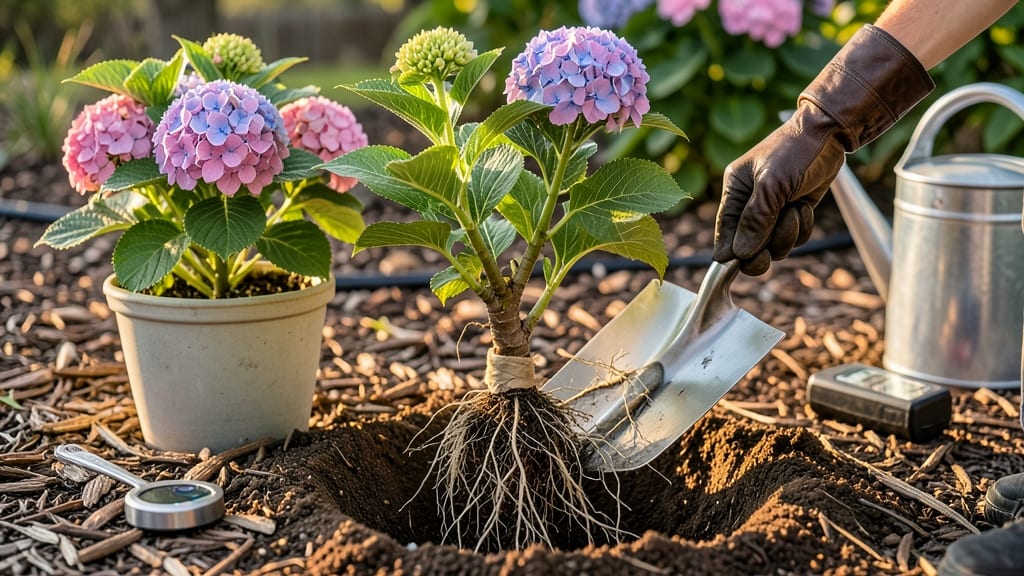
If you're dreaming of a backyard bursting with show-stopping hydrangeas 🌸 but live in the Northeast, timing your planting is the key to success. Planting at the wrong time—whether too early when frost lingers or too late when winter’s chill sets in—can leave your shrubs struggling instead of thriving.
Most gardeners assume spring is the only window, but fall planting offers a secret advantage: cooler soil and fewer pests. The best time depends on your USDA zone (5-7) and whether you’re planting mophead or panicle varieties, each with slightly different needs.
I’ll break down the exact months to plant in your area, including soil prep tips and how to protect young roots from late frosts. Whether you’re a first-time gardener or a seasoned pro, these insights will help you avoid common pitfalls and get those blooms off to a strong start.
Ready to transform your garden? Let’s dive into the most efficient planting schedule tailored for Northeast hydrangeas, so you can enjoy their beauty year after year.
Northeast Hydrangea planting calendar by USDA hardiness zones 3-7
Timing your hydrangea planting in the Northeast is all about avoiding frost and soil warmth. The ideal window spans from mid-April to early June, but your USDA hardiness zone dictates exact dates.
In Zone 3, wait until after the last frost (usually late May), while Zone 7 gardeners can plant as early as mid-April.
Soil temperature is just as critical as calendar dates. Hydrangeas thrive when soil reaches 55–65°F. Use a soil thermometer to confirm—planting too early in cold soil stresses roots. Coastal areas like Rhode Island or Maine may have 2–3 weeks earlier planting windows than inland zones due to milder microclimates.
For spring planting, focus on mophead hydrangeas (Hydrangea macrophylla) and oakleaf varieties. These types establish roots quickly in warm soil, setting them up for summer blooms. In Zone 5–6, aim for planting by May 15th to ensure roots anchor before summer heat arrives.
| Zone | Ideal Planting Window | Soil Temp | Key Tip |
|---|---|---|---|
| 3 | Late May–Early June | 55–60°F | Use frost blankets for first 2 weeks |
| 4 | Mid-April–Mid-May | 55–62°F | Avoid planting after May 15th |
| 5–6 | April–May 15th | 58–65°F | Mulch heavily after planting |
| 7 | March–April | 60–65°F | Fall planting also viable in late Sept |
Fall planting is another great option for Zones 5–7, specifically in late September. This gives roots time to establish before winter dormancy. Panicle hydrangeas (Hydrangea paniculata) are especially resilient for fall planting—they tolerate cooler soils and often bloom the following year.
If you miss the spring window, don’t despair—transplanting established hydrangeas in late summer (August) works too. Water deeply 3 days before and 3 days after moving to reduce shock. Choose a cloudy day to minimize stress on the plant.
For container-grown hydrangeas, timing shifts slightly. Plant bare-root varieties in early spring (March–April) and container-grown plants up to June 1st. The key is ensuring roots aren’t root-bound—gently tease apart any circling roots before planting.
Pro tip: Mark your calendar for June 15th—this is the absolute deadline for planting hydrangeas in Zone 4–5. After this date, roots won’t have enough time to harden off before winter. In Zone 6–7, you can push it to July 1st for late-season plantings.
Remember, microclimates matter. A south-facing slope in New Hampshire may warm up 2 weeks earlier than a north-facing yard in Pennsylvania. Observe your garden’s sun exposure patterns and local frost history to fine-tune your timing.
Once planted, mulch with 2–3 inches of organic mulch (like shredded bark) to retain moisture and regulate soil temperature. This is especially critical in Zone 3–4, where temperature swings can be extreme.
Northeast Hydrangea planting calendar by USDA hardiness zones 3-7
The Northeast’s unpredictable climate demands precision when planting hydrangeas. In USDA Zones 3-7, the best windows are early spring (April–May) and early fall (September–October), when soil temperatures hover between 55–65°F.
Spring planting gives roots time to establish before summer heat, while fall planting avoids drought stress and allows roots to settle before winter.
Coastal areas like New England may plant 2–3 weeks earlier than inland zones due to milder microclimates. Always check your last frost date—hydrangeas hate frost exposure. For Zone 3, aim for late May; Zone 7 gardeners can plant as late as early November.
| Zone | Best Planting Window | Soil Temp (°F) | Key Tip |
|---|---|---|---|
| 3–4 | Late May–Early June | 55–60°F | Use frost blankets for early planting |
| 5–6 | April–May or Sept–Oct | 55–65°F | Mulch heavily in fall |
| 7 | March–April or Sept–Nov | 60–65°F | Water deeply post-planting |
For late-summer transplanting (August–September), focus on panicle hydrangeas, which tolerate heat better than mopheads. Water daily for 2 weeks post-transplant and avoid fertilizing—roots need to recover, not feed. In Zone 5–6, aim to plant by mid-September to allow root establishment before winter.
Pro tip: Test soil moisture before planting. Stick your finger 6 inches deep—if dry, wait. Hydrangeas despise soggy roots but need consistent moisture. In clay-heavy Northeast soils, amend with compost and perlite to improve drainage. A 3-inch layer of mulch retains moisture and regulates temperature.
Timing isn’t just about months—it’s about local microclimates. A south-facing slope warms faster than a north-facing yard. Use these cues: dandelions blooming (Zone 5–6) or lilacs in full bloom (Zone 4) signal safe spring planting.
For fall, wait until after the first hard frost but before ground freezes.
Remember: Bare-root hydrangeas plant best in spring, while container-grown varieties can handle fall planting until 6 weeks before frost. Always water thoroughly after planting—hydrangeas need 1–2 gallons per plant to settle in. 🌸