
Flowers
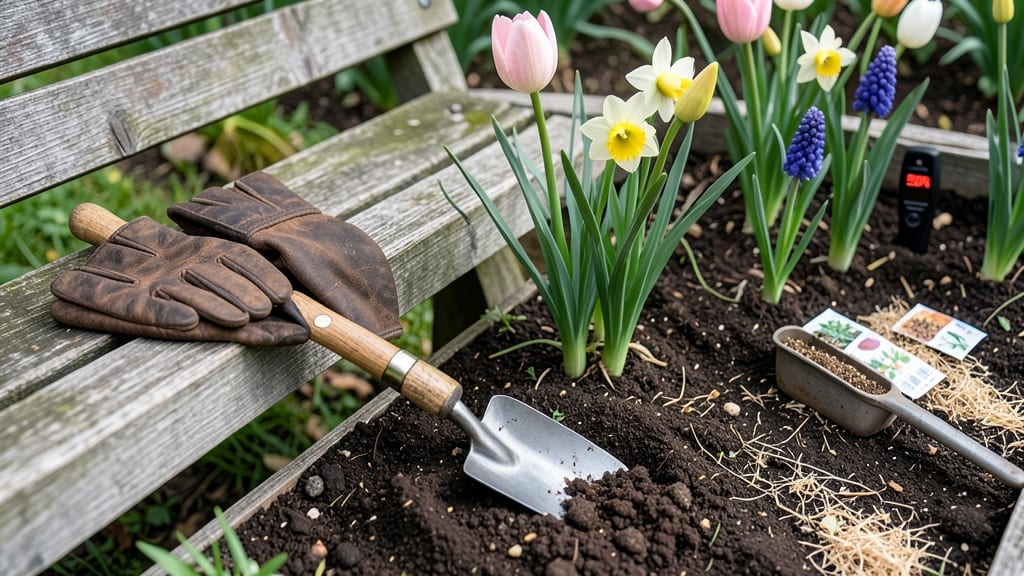
Timing your flowers planting in New England isn’t just about following a calendar—it’s about outsmarting frost, heat waves, and unpredictable weather to get those 🌸 blooms thriving all season. One wrong move, and your hard work could end up as a sad, frost-bitten memory instead of a vibrant garden showstopper.
If you’ve ever wondered why your neighbor’s garden looks like a postcard while yours struggles, the answer likely lies in zone-specific planting. New England’s 5b-6b zones mean what works in coastal Maine might fail in inland Vermont—and vice versa.
I’ll break down the exact windows you need to know, so you can plant with confidence, whether you’re prepping for spring’s first daffodils or fall’s late-blooming coneflowers.
Here’s the game-changer: the right flowers planted at the right time can turn your yard into a nonstop parade of color, from April’s tulips to October’s mums.
No more guessing games—just a clear, month-by-month roadmap tailored to your corner of New England. Let’s get those shovels in the dirt at the perfect moment.
Ready to skip the trial-and-error? I’ll walk you through exact frost dates, microclimate tricks, and even how to cheat Mother Nature with row covers and succession planting. By the end, you’ll know precisely when to plant—so your garden doesn’t just survive the season, it stuns it.
New England planting zones: understanding your last frost dates
New England’s diverse climate spans USDA Zones 3-6, meaning frost dates vary dramatically from coastal Maine to inland Vermont. Knowing your last spring frost and first fall frost is the foundation of successful flower planting—especially for tender annuals like petunias and perennials like peonies that need precise timing.
Let’s break down the critical dates by region so you can plan with confidence.
Most of New England falls within Zones 4-6, but coastal areas (like Rhode Island and Maine’s shorelines) often enjoy Zone 5-6 conditions, while higher elevations in the Green Mountains or White Mountains can drop to Zone 3-4.
These zones dictate when you can safely plant cold-sensitive flowers like geraniums or hardy bulbs like daffodils without frost damage.
Here’s the average last frost date by region—mark these on your calendar! Southern New England (Connecticut, Rhode Island) typically sees its last frost by April 15-30, while Northern New England (Maine, New Hampshire) can linger until May 15-30.
Inland areas like Vermont’s Champlain Valley often fall in the middle, with May 1-15 as the safe window. Always check local Almanac records for your specific town, as microclimates (like urban heat islands or sheltered valleys) can shift dates by 1-2 weeks.
For fall planting, the first frost arrives earliest in high-elevation zones (late September) and latest near the coast (mid-November). Tender perennials like black-eyed Susans or coneflowers should be planted by late August in Zone 4 to establish roots before winter.
Meanwhile, spring-blooming bulbs like tulips can be planted as early as September in most zones, giving them time to root before the ground freezes.
🌱Pro Tip: Use row covers or cold frames to extend your planting window by 2-4 weeks in early spring or late fall. These tools create a microclimate that protects young plants from unexpected frosts.
| Region | USDA Zone | Last Spring Frost | First Fall Frost | Safe Planting Window |
|---|---|---|---|---|
| Southern New England (CT, RI) | 5b-6b | April 15-30 | October 15-31 | April 30 - October 15 |
| Central New England (MA, VT) | 5a-6a | May 1-15 | October 1-15 | May 15 - October 1 |
| Northern New England (ME, NH) | 3b-5a | May 15-30 | September 15-30 | May 30 - September 15 |
| Coastal Maine | 5b-6a | April 30 - May 15 | October 15-31 | May 15 - October 15 |
| High Elevations (Green/White Mtns) | 3a-4b | June 1-15 | September 1-15 | June 15 - September 1 |
Note: Microclimates can shift dates by 1-2 weeks. Use local records for precision!
Understanding your frost-free period is key to choosing the right flowers. Most annuals need 90-120 frost-free days to bloom, while perennials like daylilies can thrive with just 60-90 days.
For example, if your last frost is May 15 and first frost is October 1, you’ve got 138 frost-free days—perfect for long-blooming annuals like cosmos or zinnias.
🌿<
Best flowers to plant by month in New England (Zone-by-Zone guide)
New England’s climate offers a short but vibrant growing season, so timing is key. I’ve broken down the ideal planting months for annuals, perennials, and bulbs based on USDA Zones 3-6.
Whether you’re in coastal Maine or inland New York, these month-by-month guidelines will help you plan for peak blooms year-round.
For annuals like petunias and marigolds, wait until after the last frost (typically mid-April to early May). Perennials such as coneflowers and peonies can go in the ground as early as March in milder microclimates, while tender flowers like impatiens should wait until late May or June to avoid frost damage.
For coastal areas like Rhode Island or Maine, you can often plant 2-3 weeks earlier than inland zones due to moderating ocean breezes. Inland regions like Vermont or New Hampshire may need to wait until May 1 or later for frost-free certainty.
Pro tip: Succession planting in June and July keeps your garden blooming until first frost. Try fast-growing annuals like zinnias or heat-tolerant perennials like lavender for late-season color.
Don’t forget fall-planted bulbs—they’ll reward you with early spring blooms before summer annuals even think about germinating. Tulips and daffodils planted in October are a New England staple!