
Plants
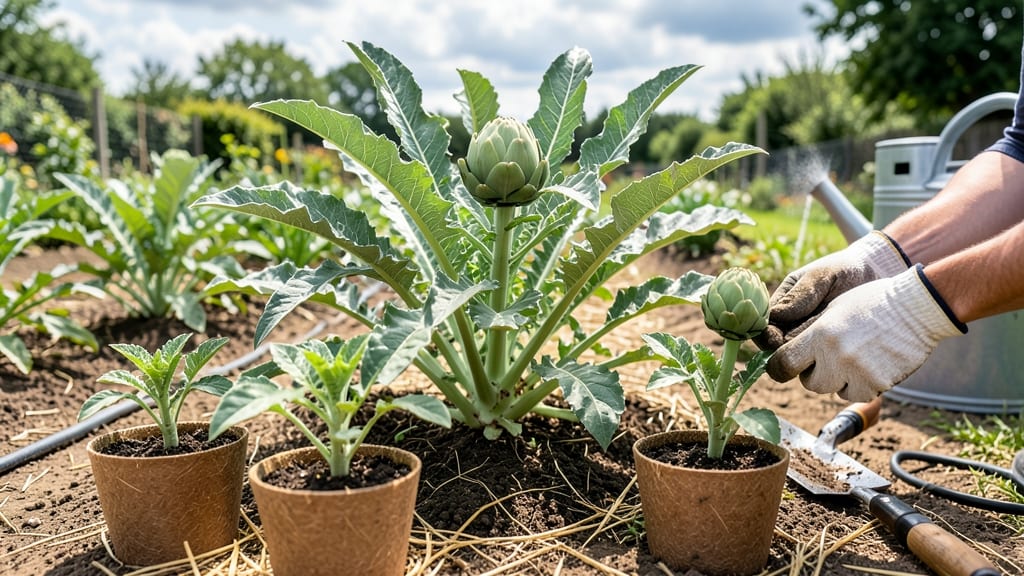
Timing your artichoke planting in Arizona can feel like guessing when to start a race—get it wrong, and your 🌱 plants might bolt before they even begin.
But here’s the secret: Arizona’s winter months hold the key to success, offering cooler temps and just enough moisture to give your artichokes the perfect start.
If you’ve ever wondered why some gardeners in USDA Zone 9b pull off lush artichoke harvests while others struggle, it’s all about nailing the November–February window.
This is when the desert cools down enough for these Mediterranean natives to thrive, avoiding the brutal summer heat that can send them into early flowering.
What makes this even trickier? Arizona’s microclimates—like the high desert’s chilly nights versus Phoenix’s lingering warmth—mean your neighbors might be planting a month earlier or later than you. The good news? With the right adjustments, you can turn those March–May harvests into a steady supply of tender, globe-shaped treasures.
I’ll walk you through exactly how to time your planting, from soil prep to watering hacks, so you’re not left guessing whether your artichokes will survive—or just survive to bolt. Let’s get those buds growing the right way.
Optimal planting windows for Arizona artichokes by microclimate
Arizona’s diverse microclimates—from the scorching low desert of Phoenix to the cooler high desert of Flagstaff—create unique challenges for growing artichokes. Timing your plantings to align with local frost dates and temperature extremes is key to avoiding heat stress or premature bolting.
Below, I break down the best planting windows for three distinct Arizona zones, so you can maximize your harvest potential.
In the low desert (Phoenix/Tucson), where winter temperatures rarely drop below 40°F, artichokes thrive when planted during the coolest months—typically from late October to February. This window ensures young plants avoid the intense summer heat while still benefiting from Arizona’s long growing season.
For the high desert (Flagstaff/Sedona), where frost can linger until mid-May, aim for March to early May plantings to capitalize on the warmer spring temperatures and shorter summer heatwaves.
Transitional zones like Tucson’s foothills or Yuma offer a middle ground, allowing for two planting windows: an early fall window (September–October) and a winter window (December–January). These areas benefit from milder winters and can even support successive plantings if spaced correctly.
Always check your local USDA Zone 9b frost dates—Arizona’s last frost typically occurs around December 15, and the first frost can arrive as early as January 10 in higher elevations.
| Microclimate | Best Planting Window | Key Considerations | Harvest Timeline |
|---|---|---|---|
| Low Desert (Phoenix/Tucson) | Late October–February | Avoid summer heat; use shade cloth if planting early | March–May |
| High Desert (Flagstaff/Sedona) | March–Early May | Frost risk until May; protect with row covers | June–August |
| Transitional (Tucson Foothills) | September–October OR December–January | Two planting windows; space plantings 4–6 weeks apart | January–March OR April–June |
For gardeners in Phoenix or Tucson, prioritize November plantings to give artichokes time to establish roots before the spring heat ramps up. In these areas, Green Globe and Imperial Star varieties are excellent choices—they tolerate heat better than other cultivars and produce larger buds.
If you’re in the high desert, opt for earlier-maturing varieties like Violetto or Romanesco, which can complete their life cycle before the summer monsoons arrive.
One common mistake Arizona gardeners make is planting too early in September, when soil temperatures can still be warm enough to stress seedlings. Instead, wait until after the first significant rainfall of the season—this natural irrigation helps settle the soil and reduces the risk of transplant shock.
I’ve found that amending the soil with compost and aged manure before planting also improves moisture retention, which is critical in Arizona’s dry climate.
To further refine your planting schedule, consult the National Weather Service’s Arizona climate maps or your local Cooperative Extension office for historical frost data. For example, Yuma rarely sees frost, while Flagstaff can experience light frosts as late as May.
Adjusting for these microclimates ensures your artichokes have the best chance to thrive without bolting prematurely or succumbing to heat stress. With the right timing, you’ll enjoy a prolonged harvest window and fewer pests—because artichokes grown in cooler seasons tend to be hardier and more productive.
Pro tip: If you’re in a low-desert urban area with limited space, consider container growing for artichokes. This method gives you flexibility to move plants to shadier spots during peak summer heat while still allowing you to follow the same planting windows outlined above.
Just ensure your containers have drainage holes and use a lightweight potting mix to prevent root rot in Arizona’s intense sun.
Finally, remember that artichokes are biennial plants, meaning they produce buds in their second year. If you plant in winter, your first harvest may not occur until spring of the following year.
Plan accordingly, and don’t be discouraged if your first attempt yields fewer buds—with experience, you’ll fine-tune your timing to match Arizona’s unique growing conditions. 🌱
How to time artichoke planting for maximum yield in Arizona’s heat
Arizona’s intense heat can turn artichoke plants into bolt-happy disasters if planted too early. The key is timing your cool-season crop to align with mild winter temperatures while avoiding spring heat spikes. I’ve learned the hard way—planting in March means wilting buds by April!
Artichokes thrive in 50–70°F soil temps, so aim for November–February plantings. This window lets roots establish before spring warmth triggers bolting (when plants flower prematurely). Even Flagstaff’s cooler high desert needs this timing—just adjust for earlier frost risks.
🚨 CRITICAL TIP: Use shade cloth (30–50%) in late winter to protect young plants from sudden heat waves. I’ve seen 60°F days in March send tender leaves into shock. A lightweight row cover buys you 2–3 extra weeks of safe growth.
⚠️ Heat Stress Warning
Never plant artichokes when soil temps exceed 75°F. Signs of heat stress include yellowing leaves, drooping buds, and premature flowering. If you miss the November–February window, try container growing with daily shade—but yields will suffer.
Extend your harvest window by using mulch (4–6 inches) to keep roots cool. Straw or wood chips reduce soil temp swings by 10–15°F. I’ve added black plastic mulch in Phoenix to warm soil for early November starts—just remove it by March to avoid overheating.
Watering deeply at sunset (2–3 gallons per plant) prevents bolting. Shallow watering stresses plants, triggering flowering mode. Pair this with drip irrigation to keep foliage dry—fungal diseases thrive in Arizona’s humid monsoon season.
For second crops, try late summer sowings in shaded containers. Seedlings need 6–8 weeks to mature before first frost, so time it for September starts. Just expect smaller yields—these plants rush to bolt before winter sets in.
Pro tip: Monitor USDA frost maps for your exact location. Phoenix’s last frost is December 15, but Tucson can dip to 28°F by January. Plant 2 weeks before your local first frost date to give roots time to anchor.