
Plants
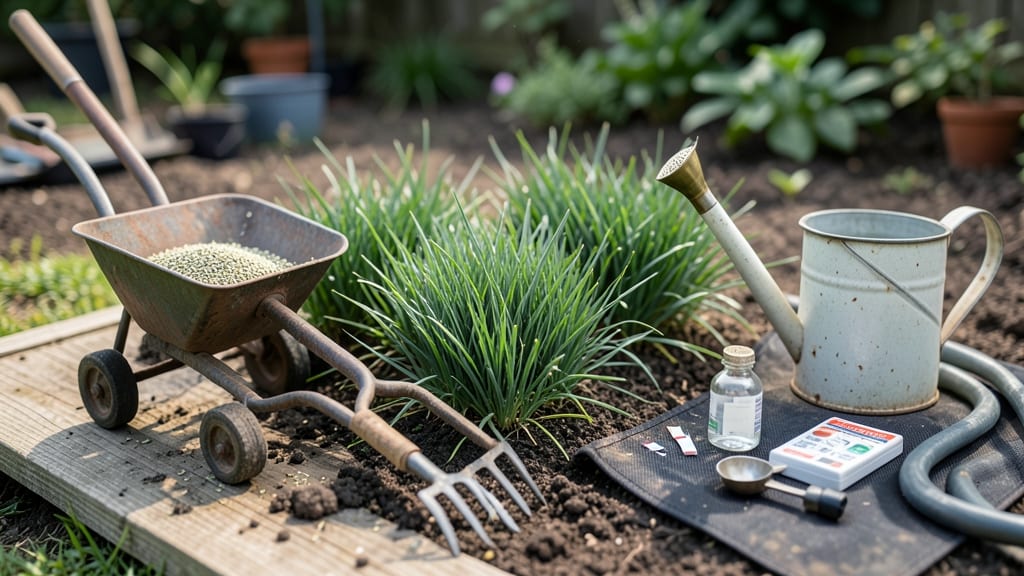
Timing your grass seed planting in Iowa can make the difference between a lush, green lawn and months of frustration. With USDA zones 5a-5b and unpredictable spring weather, getting it right means waiting for the perfect window—neither too early when frost lingers nor too late when summer heat arrives.
I’ve seen lawns fail because of planting too soon, only to watch neighbors’ grass thrive when they waited just a few weeks longer. The key lies in understanding soil temperatures, frost dates, and how Iowa’s climate shifts between spring and fall.
Let’s break down exactly when to plant for the best results.
Spring planting typically kicks off in March or April, but rushing can leave your seed vulnerable to late frosts. Meanwhile, early fall—around September or October—offers cooler temps and fewer weeds. Both seasons have their advantages, and I’ll show you how to choose the best one for your yard.
Whether you’re seeding a new lawn or repairing bare patches, these insights will help you avoid common mistakes and get your 🌱 grass seed off to a strong start. Ready to dig in? Let’s get started.
Iowa’s ideal grass-seeding window: frost dates and soil temperature rules
Timing your grass seed in Iowa isn’t just about avoiding frost—it’s about matching your planting schedule to soil temperatures and Iowa’s frost-free window. The last frost date in most of Iowa falls around April 15, but soil warmth is the real game-changer.
Planting too early risks seed rot in cold soil, while waiting too late means battling summer heat stress. Let’s break down the perfect planting window for Iowa’s climate zones.
For cool-season grasses (like Kentucky bluegrass and tall fescue), the ideal planting window is late April to early June. This aligns with Iowa’s frost-free period and ensures soil temperatures stay between 50°F and 65°F—the sweet spot for germination.
Warm-season grasses (like buffalo grass) prefer late spring to early summer, but we’ll dive deeper into varieties later. The key is checking soil temps before you plant.
Iowa State University Extension recommends using a soil thermometer to confirm readiness. For cool-season grasses, aim for soil temps between 50°F and 65°F at a 4-inch depth. If temps drop below 50°F, germination slows or stops entirely.
Use this free Iowa planting calendar to track local frost dates and soil conditions: Iowa State Extension Planting Guide.
Here’s the critical rule: Never plant grass seed in Iowa when soil temps are below 50°F. Early spring planting (before mid-April) often results in seed rot or washed-out seeds during Iowa’s unpredictable rain.
Conversely, planting after June 10 risks summer drought stress, especially in Iowa’s western regions where rainfall is scarcer.
| Planting Window | Soil Temp Requirement | Iowa Risk | Best Months |
|---|---|---|---|
| Early Spring | Below 50°F | Seed rot, poor germination | February-March |
| Late Spring | 50°F–65°F | Optimal germination | April–June |
| Early Fall | 55°F–70°F | Strong root establishment | September–October |
| Late Summer | Above 70°F | Drought stress, poor growth | July–August |
Fall planting is my top recommendation for Iowa lawns. Seeding 4–6 weeks before the first frost (typically mid-September to early October) gives grass time to establish roots before winter.
This approach reduces summer heat stress and weeds, which thrive in newly seeded lawns during hot months. Plus, cooler fall temps mean less watering—perfect for Iowa’s variable rainfall.
If you’re seeding in spring, aim for late April to early May when soil temps consistently stay above 50°F. Avoid planting in May or June unless you’re using drought-resistant varieties like tall fescue, as Iowa’s summer droughts can stress young grass.
For warm-season grasses, wait until late May to June when soil temps exceed 65°F.
One common mistake I see in Iowa is planting cool-season grass in summer. The heat causes seeds to dry out before germinating, leading to patchy, weak lawns. Always double-check your grass seed variety and match it to Iowa’s USDA Zone 5a–5b climate.
For example, Kentucky bluegrass thrives in Iowa’s cooler months, while buffalo grass prefers summer’s warmth.
To stay on track, bookmark the Iowa Department of Agriculture’s frost date maps and set reminders for soil temperature checks. A 5-minute soil test before planting can save hours of frustration later. Trust me—your future lawn will thank you for the patience!
Finally, remember that Iowa’s microclimates vary. Southern Iowa (like Des Moines) has slightly earlier frost dates than northern areas (like Dubuque). Adjust your planting window by 1–2 weeks based on your specific location. When in doubt, plant in fall—it’s the safest bet for Iowa’s unpredictable weather.
Best grass seed varieties for Iowa’s climate and when to plant them
Choosing the right grass seed variety for Iowa’s USDA zones 5a-5b can mean the difference between a lawn that thrives and one that struggles. With cool-season grasses dominating Iowa’s landscape, most homeowners opt for types that handle our cold winters and hot summers.
The two best options for most Iowans are Kentucky bluegrass and tall fescue, each with their own ideal planting windows.
Kentucky bluegrass is the classic choice for Iowa lawns, known for its dense, lush growth and ability to recover from damage. It’s best planted in early spring (March-April) or early fall (September-October), when soil temperatures are between 50-65°F.
This grass loves sunlight and stays green even in winter, making it perfect for Iowa’s climate. However, it requires more water than some alternatives, so be prepared for regular watering during dry spells.
Tall fescue is another top pick, especially for homeowners who want a drought-resistant lawn. It germinates more slowly than Kentucky bluegrass but establishes a deep root system that thrives in Iowa’s variable rainfall patterns. Plant tall fescue in the same ideal windows—spring or fall—but give it extra attention in the first few weeks to help it take hold. Its coarse texture also makes it more resilient to foot traffic, perfect for families with kids or pets.
For those in drier regions of Iowa, consider buffalo grass, a native warm-season grass that thrives with minimal water once established. While it doesn’t handle cold winters as well as cool-season grasses, it’s an excellent option for low-maintenance lawns in western Iowa.
Plant buffalo grass in late spring (May-June) when soil temperatures consistently stay above 65°F.
No matter which variety you choose, timing is everything. Planting too early in spring risks frost damage, while waiting too long means dealing with summer heat and weeds.
Always check the Iowa State University Extension’s planting calendar for your specific region, as microclimates can shift planting windows by 1-2 weeks.
🌱 Grass Seed Variety Comparison for Iowa
- 🌿 Best for: Lush, green lawns
- 💧 Water needs: High
- ✂️ Mowing: Frequent
- 🌡️ Planting window: March-April, Sept-Oct
- 🌿 Best for: Drought resistance
- 💧 Water needs: Medium
- ✂️ Mowing: Less frequent
- 🌡️ Planting window: March-April, Sept-Oct
- 🌿 Best for: Low-maintenance lawns
- 💧 Water needs: Low
- ✂️ Mowing: Rare
- 🌡️ Planting window: May-June
If you’re torn between varieties, consider mixing Kentucky bluegrass and tall fescue for a lawn that combines lushness with resilience. For example, a 50/50 blend gives you the best of both worlds: the beauty of Kentucky bluegrass and the toughness of tall fescue.
Just be sure to plant them at the same time for even growth.
Finally, avoid planting warm-season grasses like Bermuda or Zoysia in Iowa unless you’re in the far southern regions. These grasses struggle with our cold winters and aren’t worth the risk for most homeowners. Stick to cool-season varieties, and you’ll have a lawn that stays green and healthy year-round.