
Plants
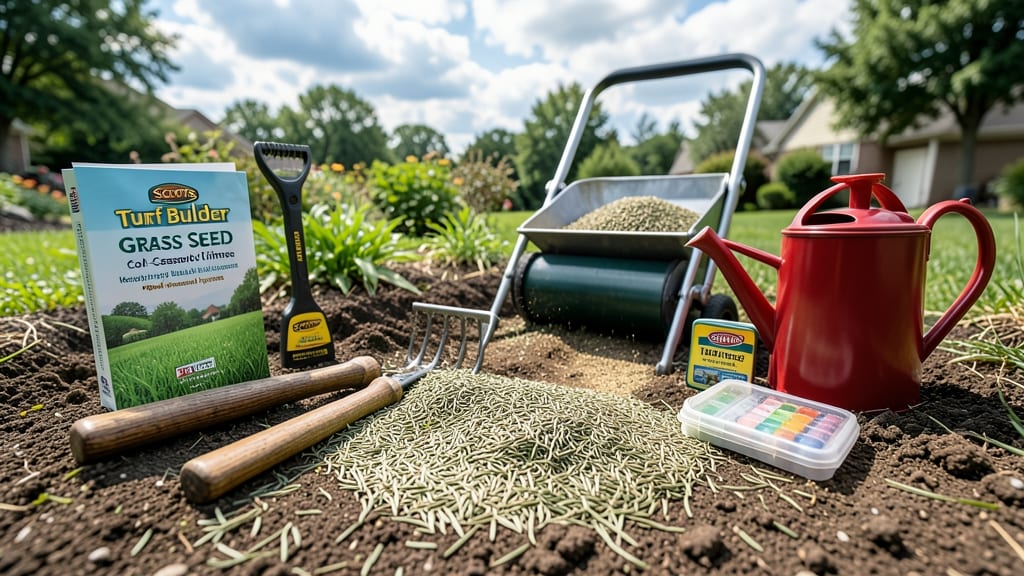
If you're dreaming of a lush, green lawn in Connecticut, timing your grass seed planting is the game-changer you’ve been missing. Plant too early, and frost will ruin your progress; too late, and summer heat can stress young sprouts.
The best window isn’t just about the calendar—it’s about soil temperature, microclimates, and avoiding common mistakes that leave lawns thin and patchy.
Connecticut’s 5b-6b climate zones mean your neighbors’ success stories might not apply to you. Coastal areas have milder winters, while inland spots face sharper temperature swings.
I’ll break down the ideal planting months—early spring and fall—and how to adjust for your specific corner of the state, so you’re not guessing whether your seed will thrive or wither.
Skip the trial-and-error phase. You’ll learn how to prep your soil, choose the right seed for your region, and water like a pro to give your grass the best shot at taking root. No more wasted bags of seed or frustrating regrowth—just a lawn that’s the envy of the neighborhood.
Let’s get started with the best timing for your Connecticut lawn, so you can enjoy that perfect green carpet all season long.
Optimal planting windows in Connecticut: soil temperature & microclimate rules
Getting your grass seed timing right in Connecticut means understanding two key factors: soil temperature and your specific microclimate zone.
The USDA zones 5b-6b here mean your lawn can thrive with the right schedule—just don't plant too early or late. Spring and fall are your golden windows, but let's break down why.
For spring planting, aim for when soil temps hit 50°F-65°F—typically late April to early May. This gives seeds time to germinate before summer heat stresses them. Fall planting (late August to early September) offers cooler temps and fewer weeds, letting roots establish before winter.
Here’s how Connecticut’s climate zones affect your timing:
| Season | Ideal Months | Soil Temp Range | Key Advantages |
|---|---|---|---|
| Spring | Late April–Early May | 50°F–65°F | Warmer soil, fewer weeds, rapid germination |
| Fall | Late August–Early September | 55°F–65°F | Cooler temps, less competition from weeds, strong root growth |
| Avoid | June–July | Above 75°F | High heat stresses seeds; drought risk increases |
🌱 Check soil temp with a thermometer for accuracy
Connecticut’s coastal areas (like New London) can plant 1-2 weeks earlier than inland zones (e.g., Hartford or Litchfield) due to milder maritime influences. Western CT tends to have hotter summers, so fall planting is especially critical there.
Pro tip: If you’re in USDA zone 6b (e.g., Fairfield County), push spring planting to mid-May to avoid late frosts. For zone 5b (e.g., Torrington), stick to late April to ensure warm enough soil.
Never plant when frost is forecasted—seeds need consistent warmth to sprout. Use a soil thermometer ($10 at garden centers) to confirm temps before seeding. Morning shade can trick you into thinking soil is cooler than it is!
For cool-season grasses (like Kentucky bluegrass or fescue), which thrive in CT, fall is the superior choice. These grasses establish deeper roots before winter, giving you a thicker lawn next spring. Warm-season grasses (like Bermuda) are rare here but need late spring planting.
Watch for late spring rains—they can delay planting. If your soil stays too wet for 5+ days, wait until it dries slightly. Compacted or clay-heavy soil (common in CT) should be loosened with a rake or aerator first.
Remember: Seed germination slows below 50°F and speeds up above 75°F. Aim for 60°F-65°F for ideal growth. Shade from trees can lower soil temps by 10°F+, so adjust your schedule accordingly.
🌱 Plan ahead: Order seeds by late March for spring planting or July for fall—supplies sell out fast!
How Connecticut's microclimates change planting success by region
Connecticut’s diverse geography—from coastal shorelines to inland valleys—means your grass seed planting window can vary by 500+ feet in elevation. Coastal areas like Groton or New London enjoy milder springs, while inland zones like Hartford or Litchfield face harder frosts.
Even a 10-mile difference can shift your ideal planting date by 2-3 weeks.
Western Connecticut’s warmer microclimates (e.g., Danbury) often allow earlier spring planting, while eastern regions near the Long Island Sound may wait until soil warms 5°F longer. Elevation plays a role too—higher areas like Torrington need to delay until late May to avoid late frosts.
Here’s how to adjust your timing based on Connecticut’s key regions:
| Region | Coastal/Inland | Ideal Planting Window | Soil Temp Threshold | Key Adjustment |
|---|---|---|---|---|
| Eastern CT (New London, Groton) | Coastal | Late April–Early May | 50°F+ (warmer earlier) | Plant 2 weeks earlier than inland |
| Western CT (Danbury, Waterbury) | Inland | Early–Mid May | 55°F+ (warmer later) | Avoid late April (frost risk) |
| Central CT (Hartford, New Haven) | Mixed | Late April–Early June | 52°F+ (moderate) | Monitor weekly forecasts for frost |
| Northern CT (Torrington, Litchfield) | High Elevation | Late May–Early June | 58°F+ (cooler longer) | Delay until soil stays warm 7+ days |
For fall planting, coastal areas can extend into early October, while inland regions should finish by mid-September. Use a soil thermometer—aim for 50°F–65°F—to confirm readiness, regardless of region.
Pro tip: If you’re unsure about your microclimate, check USDA Zone 6a/6b maps or ask local Cooperative Extension offices. They’ll pinpoint your exact last frost date and adjust planting windows for you.
Remember, elevation changes everything. A yard at 1,000 feet in Litchfield County might need to wait until June 1, while a sea-level lawn in Stamford could start in late April. Plan accordingly to avoid frost damage or dormant seeds.