
Plants
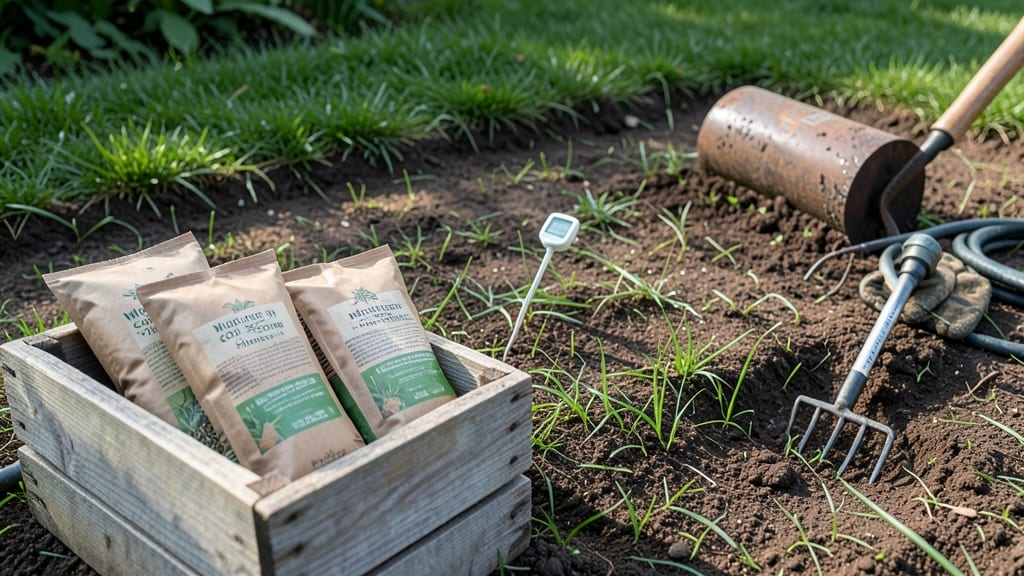
Planting grass seed in Michigan isn’t just about grabbing a bag and scattering it—it’s about catching the perfect window between frost and heat to give your lawn the best shot at thriving. With USDA zones 5b-6b and unpredictable weather, timing matters more than you might think.
Whether you’re seeding a new yard or patching bare spots, getting it right means the difference between a lush, green carpet and a patchy, struggling mess.
Most Michigan gardeners know spring and fall are the ideal times, but the exact dates can feel like a moving target. Should you plant in early March or wait until April? What if frost sneaks back in?
I’ll break down the science behind Michigan’s planting calendar—including soil temperature thresholds and regional variations—so you can confidently choose the best time for your 🌱 turfgrass to take root.
Beyond the calendar, success hinges on prep work: soil testing, seed selection, and watering strategies tailored to Michigan’s climate. Skipping these steps can leave your lawn vulnerable to drought, weeds, or even deer raids.
Let’s walk through the critical steps to ensure your grass seed germinates fast and grows strong, no matter where you are in the state.
Ready to transform your yard into the envy of the neighborhood? By the end of this guide, you’ll know exactly when to plant, what to watch for, and how to protect your investment—so you can enjoy that perfect green lawn all season long.
Michigan’s USDA zones & best grass seed planting months by region
Michigan spans USDA Hardiness Zones 4b to 6a, meaning planting windows vary dramatically from the Upper Peninsula to Detroit’s suburbs. Cool-season grasses like Kentucky Bluegrass and Tall Fescue thrive here, but timing is everything—plant too early, and frost kills seedlings; too late, and summer heat stresses them.
Let’s break down the optimal planting months for each zone, including soil temperature thresholds and frost-free deadlines.
For Zone 4b (Northern Michigan), your last frost typically arrives May 10–20, so spring planting should start April 15 at the earliest. Fall planting opens September 1 and closes by October 15 before hard frosts.
In Zone 5a (Central Michigan), you gain a 2-week window—plant April 1–May 1 in spring or September 15–October 30 in fall. Southern Michigan (Zone 6a) extends spring planting to May 15 and fall until November 1.
Soil temperature is your true north—grass seeds need 50°F (10°C) minimum for germination. Use a soil thermometer to verify: in Zone 4b, wait until soil warms to 50°F by day; in Zone 6a, you might see 50°F as early as March 15.
Pro tip: Cover seeds with straw if nighttime temps dip below 40°F to prevent chilling injury.
Here’s your zone-specific planting calendar, including key deadlines and ideal grass types for Michigan’s climate:
Why fall planting often wins in Michigan? Cooler temps reduce weed competition, and 6–8 weeks of growth before winter means a head start next spring.
However, avoid planting if frost is forecast within 4 weeks—seedlings won’t survive. For Zone 4b, this means no fall planting after October 1.
Microclimates matter too. Urban areas like Detroit (Zone 6a) can be 5–10°F warmer than rural zones, extending your spring window. Conversely, northern Michigan’s lakes and forests create cooler pockets—always adjust by 1–2 weeks if you’re near water bodies. Check your local Michigan State University Extension frost maps for precision.
One common mistake? Planting too late in spring when soil is dry and too hot for seeds. If you miss the April–May window, switch to fall planting and prioritize shade-tolerant blends like fine fescue for cooler microclimates.
Always water deeply 2x daily for the first 2 weeks to keep soil moist but not waterlogged.
🌿 For Zone 5b–6a readers, mark your calendar: September 15–October 15 is the sweet spot
How to choose between spring vs. fall planting for Michigan lawns
Deciding whether to plant grass seed in spring or fall in Michigan isn’t just about picking a season—it’s about playing the odds against weeds, heat stress, and unpredictable frost. Both seasons offer advantages, but the best choice depends on your location, grass type, and patience level.
Let’s break down the pros and cons so you can make an informed decision for your yard.
In Michigan’s cool-season climate, most homeowners opt for fall planting because it gives grass seedlings time to establish roots before winter dormancy. However, spring planting can be ideal if you’re dealing with weed competition or need quick coverage for high-traffic areas.
Each season comes with trade-offs, and understanding them will help you avoid costly mistakes.
For fall planting, aim for September to early October—this window ensures soil stays warm enough for germination while avoiding summer heat stress. The cooler temperatures also mean fewer weeds competing with your grass seed, giving your lawn a head start.
In contrast, spring planting (March to early May) is riskier due to late frosts and faster weed growth, but it’s your only option if you missed the fall window.
Spring Planting
Pros
- ✅ Quick coverage for high-traffic areas
- ✅ Longer growing season before winter
- ✅ Easier to spot weeds early for removal
Cons
- ❌ Late frost risk can kill seedlings
- ❌ Weed competition is fierce in warm soil
- ❌ Heat stress if planted too late
If you choose spring planting, prioritize cool-season grasses like Kentucky Bluegrass or Tall Fescue, which tolerate Michigan’s variable temperatures. Start seeding as soon as the soil reaches 50°F (10°C), typically by mid-April in southern Michigan or early May in the Upper Peninsula.
Use a pre-emergent herbicide in late summer to prevent weeds from stealing nutrients.
For fall planting, the window narrows to September 1st to October 15th, depending on your USDA zone.
This timing ensures seedlings have 4–6 weeks of growth before the first frost. Fine fescue and ryegrass are excellent fall choices—they germinate quickly in cool soil and handle Michigan’s winter dormancy better than summer grasses.
Regardless of season, avoid planting when soil temperatures drop below 40°F (4°C) or exceed 80°F (27°C), as these extremes stunt germination. In Michigan’s microclimates, urban areas like Detroit may have a 2-week earlier planting window than rural UP regions. Always check your local frost dates and adjust accordingly.