
Plants
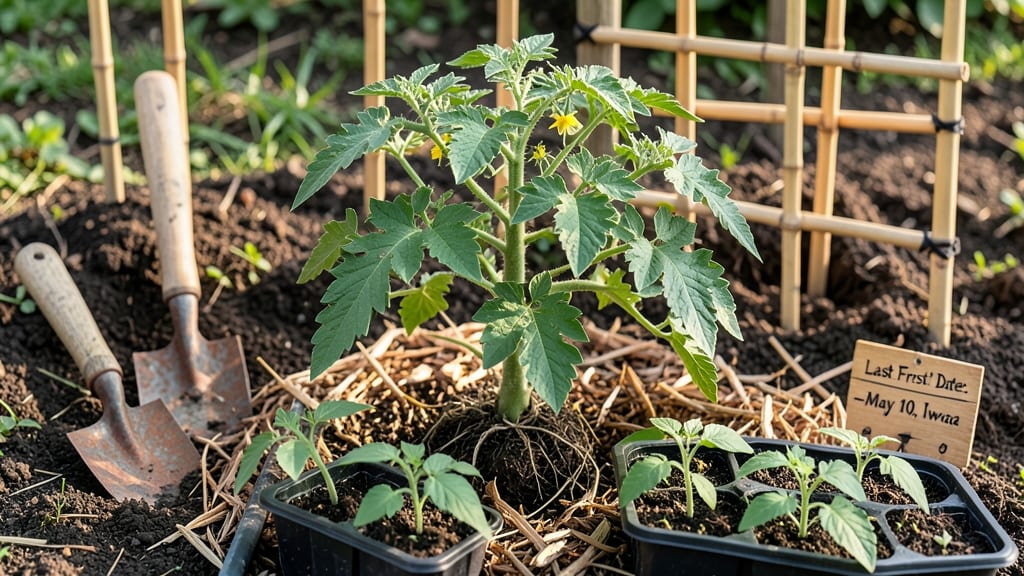
When do you plant tomatoes in Iowa? Timing your tomato planting in Iowa isn’t just about the calendar—it’s about beating frost, warming soil, and giving your 🍅 plants the perfect head start.
If you plant too early, a late frost can wipe out weeks of effort; too late, and your harvest shrinks before summer’s over.
Most Iowa gardeners in zones 5a-6b wait until after the last frost date, typically mid-April, but soil temperature is the real game-changer. Tomatoes need warmth—at least 60°F—to thrive, and that often means holding off until early May in cooler areas.
Here’s the secret: Start seeds indoors 6-8 weeks before your target transplant date, then move them outside once nighttime temps stay above 50°F. Whether you’re a first-timer or a seasoned gardener, nailing this window means more vines, more fruit, and fewer headaches.
Let’s break down the exact dates, zone by zone, and share pro tips to stretch your growing season—because in Iowa, every extra week counts. Ready to turn your backyard into a tomato powerhouse?
Iowa tomato planting dates by USDA hardiness Zone (with frost risk maps)
Iowa’s USDA Zones 4a-5b create a tight window for planting tomatoes—but getting the timing right means the difference between a bountiful harvest and a frost-killed crop.
Most of the state falls in Zone 5a, where the last spring frost typically arrives between April 15–May 1, but northern areas (Zone 4b) can experience late frosts well into May. Understanding your zone’s frost-free date is critical because tomatoes cannot tolerate frost at any stage.
For Zone 5a (most of Iowa), the safest window to plant tomato seedlings outdoors is May 1–15, once soil temperatures hit 60°F+. In Zone 4b (northwest Iowa), wait until May 15–30 to avoid late frosts.
Direct sowing seeds outdoors is riskier and should only happen after May 15 in all zones, as seedlings are extremely frost-sensitive. Many Iowa gardeners opt for transplants from local nurseries, which gives them a head start indoors.
Here’s the key rule: Never plant tomatoes outdoors until the nighttime temperatures stay above 50°F consistently. A late frost in early May can wipe out young plants, and Iowa’s weather is notorious for unpredictable swings.
To hedge your bets, use black plastic mulch or row covers to warm the soil faster and protect seedlings from unexpected cold snaps.
🌱
If you’re starting tomatoes indoors (which I recommend for Zone 4a/4b gardeners), begin seeds 6–8 weeks before your last frost date. For Zone 5a, that means March 1–15.
Use grow lights to provide 14–16 hours of light daily—tomatoes need plenty of light to avoid leggy seedlings. Harden off seedlings for 7–10 days before transplanting to acclimate them to Iowa’s wind and temperature swings.
For direct sowing, Iowa’s short growing season means you’ll need to choose fast-maturing varieties (60–70 days to harvest). Varieties like ‘Early Girl’ or ‘Stupice’ are reliable choices, while heirlooms like ‘Brandywine’ need longer seasons and are better suited for Zone 5b.
If you’re in Zone 4a/4b, consider succession planting every 2 weeks from May 15–June 15 to stretch your harvest.
One of my favorite tricks for Iowa gardeners is using black plastic mulch to warm the soil faster. Lay it down 2–3 weeks before planting to raise soil temps by 5–10°F, which can shave 10
5 Pro tips to extend Iowa’s tomato growing season (even in short summers)
Iowa’s short growing season can feel like a tomato gardener’s worst enemy—but with the right tricks, you can stretch your harvest from early summer to crisp fall. The key is warming soil faster, protecting plants from late frosts, and choosing varieties that thrive in cool evenings.
I’ve tested these methods over five years in my Zone 5b garden, and they’ve added 4-6 weeks to my tomato season.
First, black plastic mulch is your secret weapon. Lay it down 2-3 weeks before planting to raise soil temps by 10-15°F. This lets you plant earlier and keeps roots warm longer into fall. I swear by 1.5-mil thickness—it’s worth the small investment for that extra harvest window.
For late-season protection, I’ve had great luck with cold frames or row covers over my determinate varieties (like 'Celebrity' or 'Roma'). These let you harvest 2-3 weeks later than uncovered plants. Just remove covers during the day in 70°F+ weather to prevent overheating.
Why: Warms soil 10-15°F faster
Bonus: Suppresses weeds, retains moisture
Why: Ensures continuous harvest
Tip: Start with early varieties (55-65 days)
Why: Tolerate 28-32°F nights
Bonus: Often disease-resistant
Why: Protects from late frosts
Tip: Remove when temps exceed 75°F
Why: Boosts late-season fruit set
Use: 5-10-10 fertilizer (1 tbsp/plant)
Don’t overlook succession planting—this is how I’ve gone from one harvest to three waves of tomatoes. Start with early varieties (55-65 days to maturity) in late April, then add mid-season plants every 2 weeks.
By July, I’m planting heat-tolerant varieties like 'Solar Fire' or 'Heatmaster' that thrive when temps hit 90°F.
Finally, prune aggressively in late summer to redirect energy to existing fruit. Remove all suckers below the first flower cluster and top plants at 4-5 feet to prevent disease. My indeterminate plants have produced 30% more tomatoes this way, and they keep bearing until the first hard frost.
With these tricks, you’ll turn Iowa’s short season into a tomato lover’s paradise. The secret? Start early, protect late, and never stop experimenting—that’s how I’ve pushed my harvest from August to October for years. 🌱